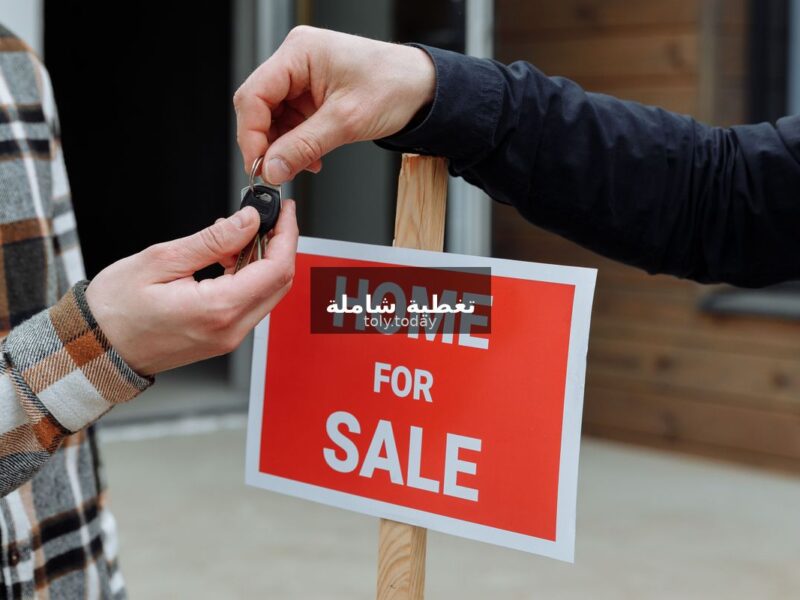
If you’re thinking about buying a home in Saudi Arabia, you’ve probably heard of “mortgages.” This term has become very common these days, and it’s no surprise—the real estate financing market in the Kingdom has grown from 175 billion riyals in 2019 to over 700 billion riyals by the end of 2025. That’s a real boom in housing finance.
But what exactly does a mortgage mean? And how can you benefit from it?
What is a Mortgage?
Simply put, a mortgage is a long-term loan provided by a bank to help you buy a property (a house, apartment, or land), with the property itself serving as collateral for the bank until the full amount is repaid. In Saudi Arabia, all real estate financing complies with Islamic Sharia law and is typically structured under “diminishing musharakah” or “ijarah muntahia bittamleek” (lease-to-own) systems.
Types of Real Estate Financing
There are two main types:
- Subsidized Financing: Through the Real Estate Development Fund and the Sakani program. This is for Saudi citizens buying their first home. The fund covers part of the profit margin, reducing your monthly installments. The financing ratio can reach up to 90% of the property’s value.
- Unsubsidized Financing: Directly through banks. The financing ratio ranges between 70% and 85%, depending on your income and credit history.
What Do You Need to Get a Mortgage?
- Nationality: Saudi (for subsidized financing). Unsubsidized financing is available to residents under certain conditions.
- Age: Usually 21 years or older.
- Income: Monthly income of at least 3,000–5,000 riyals, depending on the bank.
- Debt-to-Income Ratio: Should not exceed 65% of your total monthly income, and 55% for the mortgage alone.
- Credit History: Should be clean with no previous defaults.
Main Banks for Mortgages
The largest banks in Saudi Arabia’s mortgage market are Al Rajhi Bank, Saudi National Bank, Riyad Bank, and Saudi British Bank (SABB). Each offers different products and deals, so it’s best to compare them.
Steps to Get a Mortgage
- Check Your Eligibility through the Real Estate Development Fund or the Sakani program.
- Compare Bank Offers—each bank offers different profit rates.
- Submit Your Financing Application and ensure you have the required documents (ID, salary certificate, bank statements).
- Wait for Preliminary Approval and choose the property.
- Property Valuation—the bank assesses the property to determine its real value.
- Signing and Documentation—documentation is completed through the Notary Public or the “Tawtheeq” electronic platform.
- Pay the Down Payment—usually 10–30% of the property’s value.
- The Property is Registered in Your Name and the mortgage is recorded in the Real Estate Registry.
Important Tips
- Don’t take on financing beyond your means—the monthly installments shouldn’t be a burden.
- Take advantage of government support—the Real Estate Development Fund covers a large portion of the interest.
- Read the contract carefully before signing and watch out for hidden fees.
- If you face difficulties in repayment, contact the bank immediately—you may be able to restructure your installments instead of foreclosure.
❓ Frequently Asked Questions
Q: Is real estate financing available to non-Saudis?
A: Starting January 2026, non-Saudis (individuals and companies) are allowed to own property in specific areas of the Kingdom, with the possibility of obtaining a mortgage from Saudi banks.
Q: What is the typical mortgage term?
A: Usually between 20 and 25 years, though some banks offer shorter terms (10–15 years).
Q: What’s the difference between subsidized and unsubsidized financing?
A: Subsidized financing includes support from the Real Estate Development Fund, which lowers the profit margin, while unsubsidized financing is at market rates without government support.
Q: Can I repay the mortgage early?
A: Yes, most banks allow early repayment.
Early after a specific period (usually 6-12 months from the start of financing), but some banks charge early repayment fees.
Q: How do I know if I am eligible for financing?
A: Go to the Real Estate Development Fund website redf.gov.sa or the Sakani platform sakani.sa and enter your information — it will show you if you are eligible and you can see the expected support for you.