Do you suffer from weak nails that break easily or constantly peel? Many people think that nail problems are just a cosmetic issue, but the truth is that the health of your nails is closely linked to what you eat. In this article, we review the most important vitamins and minerals your body needs for strong and healthy nails, based on scientific evidence.
Why Are Nails an Indicator of Your Health?
Nails grow continuously from their roots in the skin layer and require constant nourishment with essential elements. A deficiency in certain vitamins is clearly visible on the nails in the form of vertical lines, brittleness, discoloration, or slow growth. Therefore, proper nutrition is the first step toward strong nails.
The Most Important Vitamins for Nail Strength
1. Biotin (Vitamin B7) — The Star
Biotin is the most scientifically supported nutrient for nail health. It belongs to the B-vitamin family and helps in the production of keratin, the primary protein that makes up nails. A 1993 study involving 35 people with brittle nails found that taking 2.5 mg of biotin daily for 6 weeks to 7 months improved symptoms in 63% of participants. Sources of biotin: eggs (especially the yolk), nuts, sweet potatoes, avocados, salmon, and dairy products.
2. Iron — An Essential Element
Iron is responsible for transporting oxygen to all cells in the body, including nail cells. Iron deficiency (anemia) causes nails to become spoon-shaped or develop prominent vertical lines. Adults need at least 8 mg of iron daily. Sources: red meat, chicken, fish, and eggs (easily absorbed by the body), or spinach, legumes, and nuts (plant-based sources). Consuming vitamin C with plant-based sources improves iron absorption.
3. Zinc — The Growth and Repair Mineral
Zinc is an essential mineral for cell division and tissue growth, including nails. Zinc deficiency leads to white spots on nails, slow growth, and general weakness. Adults need 8–11 mg daily. Sources: oysters, red meat, chicken, nuts, seeds (especially pumpkin seeds), and legumes.
4. Vitamin C — Collagen Activator
Vitamin C is necessary for collagen production, the protein that gives nails flexibility and strength. It is also a powerful antioxidant that protects cells from damage. It also aids in iron absorption. Adults need 75–90 mg daily. Sources: citrus fruits (oranges, lemons), kiwi, red bell peppers, strawberries, and broccoli.
5. Vitamin B12 and Protein — Essential Foundations
Vitamin B12 plays a role in iron absorption and the formation of red blood cells that nourish the nails. Its deficiency causes nails to turn blue or brown. Sources: meats, fish, eggs, and dairy products. Protein, on the other hand, is the main component of nails (keratin), and a lack of protein in the diet directly leads to weak and peeling nails.
Summary: Food First, Then Supplements
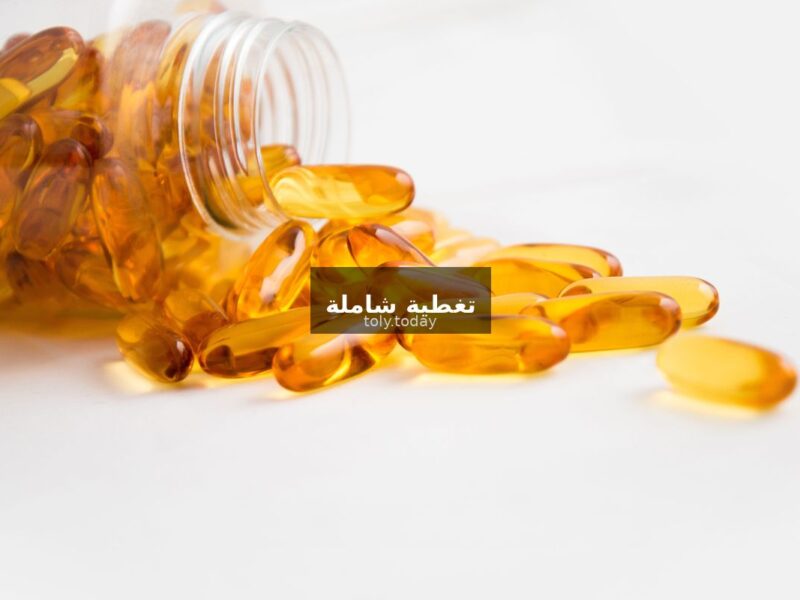
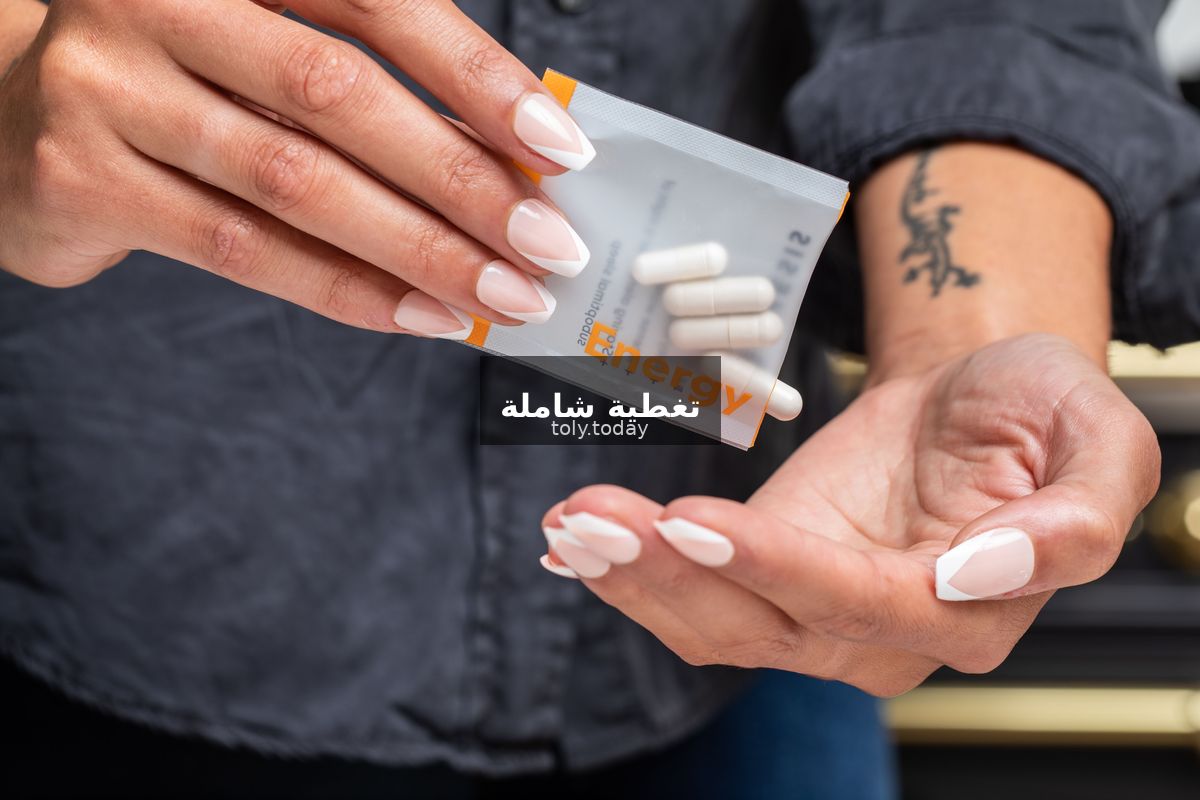
The best way to achieve strong nails is to eat a balanced diet rich in protein, vegetables, fruits, and nuts. Biotin is the only supplement with strong scientific evidence for treating brittle nails, but be sure to consult a doctor before taking any dietary supplements. Remember: nail improvement takes time — it may take 3–6 months to see results.
Frequently Asked Questions
Does biotin really strengthen nails?
Yes, biotin is the only supplement with good scientific evidence for strengthening brittle nails. The dose used in studies was 2.5 mg daily.
How long does it take to see results on my nails?
Nails grow slowly — about 3–4 mm per month. It usually takes 3 to 6 months to notice a clear improvement after improving your diet.
What causes white spots on nails?
They are usually caused by zinc deficiency or a minor injury to the nail root. However, they may also indicate a deficiency in other minerals, so consult a doctor if they persist.
Does gel nail polish weaken nails?
Yes, frequent use of gel nail polish
Removing nail polish may weaken the superficial nail layer and cause temporary brittleness.
Does iron deficiency affect nail shape?
Yes. Iron deficiency causes thin, concave nails (spoon-shaped) and may show prominent vertical lines. A simple blood test can detect iron deficiency.