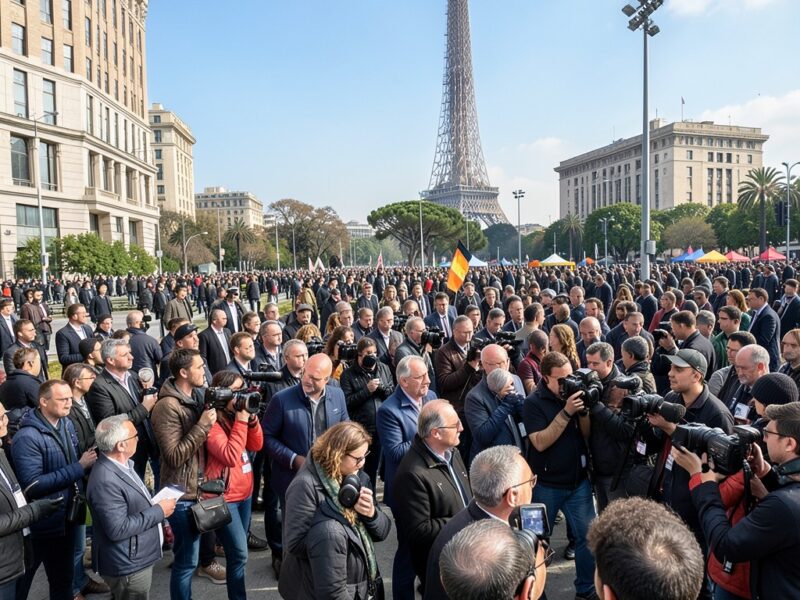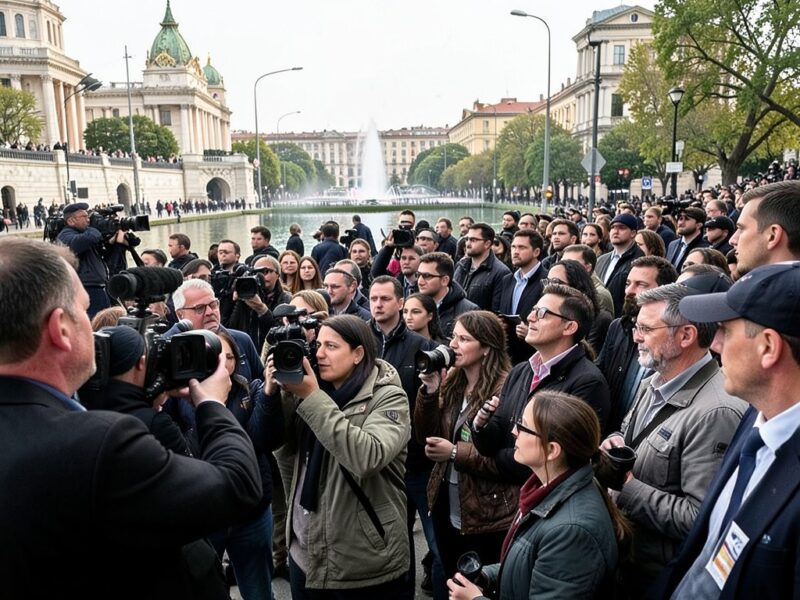
On the morning of July 14, 1789, thousands of angry Parisians gathered in front of the Bastille prison fortress, sparking the first flames of the French Revolution that changed the face of Europe and the modern world. This day, celebrated annually as France’s National Day, represents a pivotal turning point in human history.
What was the Bastille?
The Bastille was built in the 14th century as a military fortress to protect Paris, then later became a royal prison. It was a symbol of the absolute monarchy’s oppression in France. Inside, political opponents, thinkers, and writers who dared to criticize the royal system were held without trial or legal procedures. Its most famous prisoner was the writer and philosopher Voltaire.
Why did the Parisians storm the Bastille?
In the summer of 1789, France was suffering from a severe economic crisis. Bread prices soared, and famine spread among the poor. King Louis XVI attempted to reform the situation but failed. When he dismissed the popular finance minister Jacques Necker, public anger exploded. Protesters headed to the Bastille in search of weapons and gunpowder to defend themselves against royal troops.
The Storming Details
On the morning of July 14, a crowd of about 1,000 people gathered outside the Bastille. They demanded that the fortress’s commander, the Marquis de Launay, hand over the weapons and gunpowder. When he refused, the situation escalated into a four-hour battle. The protesters used cannons they had seized and eventually managed to break through the castle’s drawbridge. Ninety-four people were killed during the storming, including 83 attackers. After the surrender, the governor, de Launay, was captured and killed in the streets.
What did they find inside?
The surprise was that the Bastille held only seven prisoners: four forgers, two mentally ill patients, and one detained for immoral behavior. But the Bastille’s power wasn’t in the number of its prisoners, but in what it symbolized as a tool of royal oppression.
Consequences and Global Impact
The storming of the Bastille was just the beginning. Months later, the French National Assembly declared the Declaration of the Rights of Man and of the Citizen, which inspired revolutions worldwide. The ideas of “Liberty, Equality, Fraternity” spread from France to Europe and then to the Americas. The French Revolution wasn’t just a change of regime; it was a declaration that power comes from the people, not kings.
How do the French celebrate this day?
Today, July 14 is France’s National Day, known internationally as “Bastille Day.” On this day, the largest military parade in Europe is held on Paris’s Champs-Élysées, attended by the President of the Republic. Celebrations are held throughout France, with fireworks, concerts, and street dancing, especially at the famous Place de la Bastille.
Frequently Asked Questions
Is the Bastille still standing?
No. The fortress was completely demolished shortly after it was stormed. Today, the famous Place de la Bastille (Bastille Square) stands in its place, with the July Column (Colonne de Juillet) in the center, commemorating the 1830 revolution.
Why is July 14 specifically France’s National Day?
Because it symbolizes the end of absolute monarchy and the birth of the republic. The date combines the memory of the storming of the Bastille (1789) with the celebration of national unity held on the same date the following year (1790).
How many people died in the French Revolution?
Estimates vary widely, but historians estimate the number of deaths in all stages of the Revolution (1789–1799) between 100,000 to 1.5 million people, including tens of thousands executed by guillotine.
Did the French Revolution affect the Arab world?
Absolutely. The ideas of the French Revolution spread through Napoleon’s campaign in Egypt (1798–1801) and later through the Arab Renaissance movements in the 19th century. Many Arab thinkers drew inspiration from the principles of liberty and equality in their calls for reform.