Al-Masmak Palace or Al-Masmak Museum is one of the most important historical landmarks in Riyadh. This place is not just an old mud building; it is the beginning of the story of the Kingdom of Saudi Arabia. Here, in January 1902, the battle that united the country was launched by King Abdulaziz bin Abdul Rahman Al Saud – may Allah have mercy on his soul.
Where is it located and when was it built?
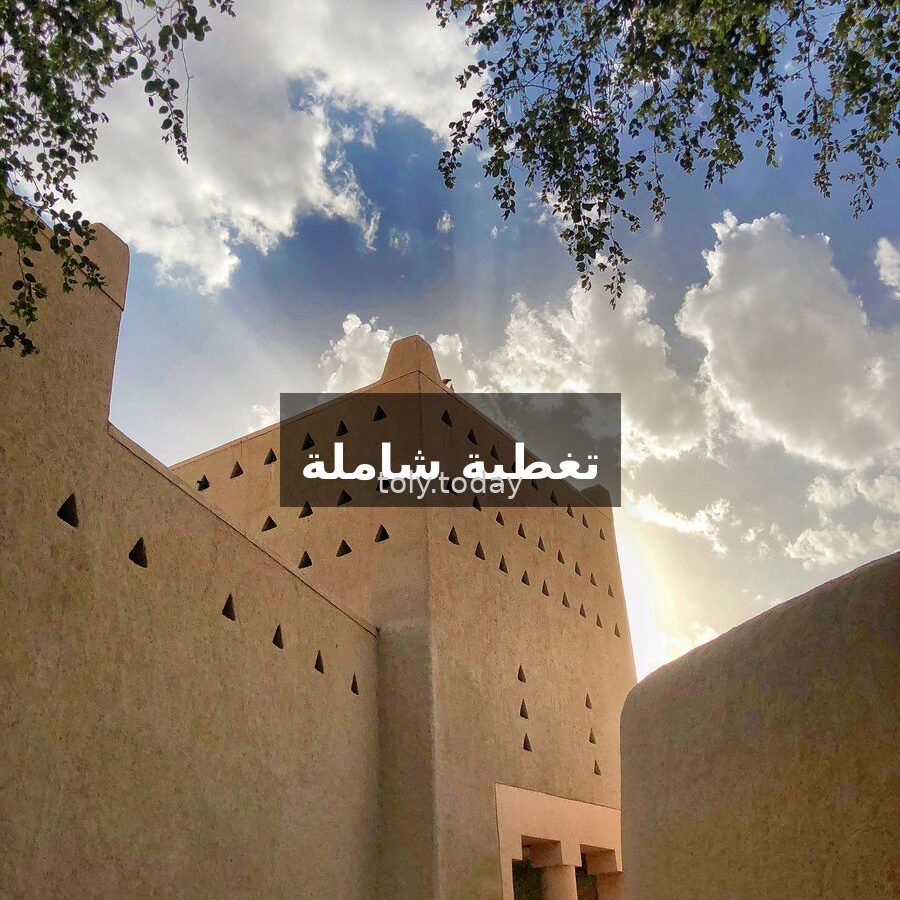
Al-Masmak Palace is located in the Al-Dirah neighborhood in the old part of Riyadh, near the Ruling Palace. Construction of the palace began in 1865 during the reign of Abdullah bin Faisal Al Saud and was completed in 1895. The palace is built of mud and clay in the traditional Najdi style, with four tall watchtowers and thick walls. The stones used in the foundation were local limestone, and the clay came from Najd soil, which is resistant to heat and cold.
The palace is large in area and represents a true architectural masterpiece of Najd. It is one of the few historical buildings that has remained standing in the heart of Riyadh despite the development that has taken place around it.
The Battle of the Conquest of Riyadh – A Pivotal Moment
On January 15, 1902, King Abdulaziz – who was then a young man of twenty-seven – led a group of brave men and attacked Al-Masmak Palace, which was then under the control of the Al Rashid family. The famous story is that one of his men, named Abdullah bin Jabr, climbed onto the shoulders of his comrades and opened the door of the palace from the inside, allowing them to enter and take control of the palace.
This battle was the true beginning of the unification of the Kingdom of Saudi Arabia. For this reason, Al-Masmak Palace is considered a major national symbol, and every Saudi knows its importance in the history of their country.
Why is it called Al-Masmak?
The word “Al-Masmak” in Najdi dialect means a thick, strong, and tall building. The name comes from the thickness of the palace’s walls, which reach up to 1.25 meters in some sections. Indeed, the name suits the building well, as it is a sturdy structure resembling a fortress.
Construction and Components – What Will You See Inside?
The palace has six main sections:
- Main Gate: A massive palm wood door measuring 3.6 meters in height and 2.65 meters in width. It has a small opening called “Al-Khokha” – a hole large enough for one person, used for entering and exiting without opening the entire door (a smart defensive feature).
- Mosque: A large room with pillars and a mihrab, featuring ventilation openings in the walls.
- Majlis: A rectangular room where people gather.
- Well: Located in the northeast corner – used for water.
- Watchtowers: Four conical towers approximately 18 meters tall with very thick walls.
- Inner Courtyard: Surrounded by rooms with pillars, and includes a staircase leading to the first floor and the roof. There were three residential units: one for the ruler, another for the treasury, and a third for guests.
From an Ammunition Depot to a Museum
After the conquest of Riyadh, King Abdulaziz used the palace as an ammunition depot from 1902 to 1938, until it was moved to Murabba Palace. Years later, in 1979, studies began to restore the palace, and in 1995 it was opened as a museum and became part of the King Abdulaziz Historical Center.
Today, the museum displays vivid photographs and informational panels about the history of the Kingdom, old maps of Riyadh, historical weapons, old Saudi clothing, and agricultural tools.
This tour takes you on a journey through time – from the days of the unification of the Kingdom to the present day.
Practical Information for Visitors
- Location: Al-Deerah District, Al-Masmak Palace, Imam Turki bin Abdullah, Riyadh 12652
- Opening Hours: Daily from 8 AM to 9 PM (except Friday – opens after Friday prayer)
- Entry: Free ✅
- Best Time to Visit: Afternoon or evening for pleasant weather
- Nearby Attractions: Al-Hukm Palace, Al-Zal Market, King Abdulaziz Historical Center are all nearby and within walking distance
Frequently Asked Questions
Is Al-Masmak Museum entry free?
Yes, entry is free for all visitors.
How long does a visit take?
One to two hours is enough to see the entire museum and read the information.
Are there parking spaces available?
Yes, there are nearby parking spaces in the Al-Hukm Palace area.
Is the palace suitable for families?
Absolutely. The palace is suitable for all family members, and children enjoy learning about history in an interactive way.
Are tour guides available?
Guides are sometimes available, or you can enjoy the tour on your own. Informative panels are available in both Arabic and English throughout the site.