Najran Valley: A Natural Gem in Southern Saudi Arabia
In the far southwest of the Kingdom of Saudi Arabia, nestled within the picturesque Najran region, lies one of the largest valleys in the Arabian Peninsula — Najran Valley. This ancient valley is not merely a seasonal watercourse but a lifeline for the region’s inhabitants and a stunning tourist destination for nature and greenery enthusiasts.
Location of Najran Valley
Najran Valley is situated in the Najran region of southern Saudi Arabia, with its tributaries originating from the Hejaz Mountains (Sarawat Mountains) and the surrounding plateaus. The valley stretches 180 kilometers eastward, beginning at its mouth in the fertile plains and ending in the sands of the Rub’ al Khali. The average width of the valley in the plains is approximately 1,000 meters, making it one of the widest valleys in the Kingdom.
Importance of the Valley
Najran Valley divides the city of Najran into two parts — northern and southern — and serves as the primary water source for the region. The valley carries significant amounts of silt and sediment, which deposit in the plains and farms along its banks, enriching the soil and making the area renowned for cultivating palm trees, fruits, and vegetables. Najran is particularly famous for its pomegranates, grapes, and mangoes, thanks to the abundance of water and fertile soil.
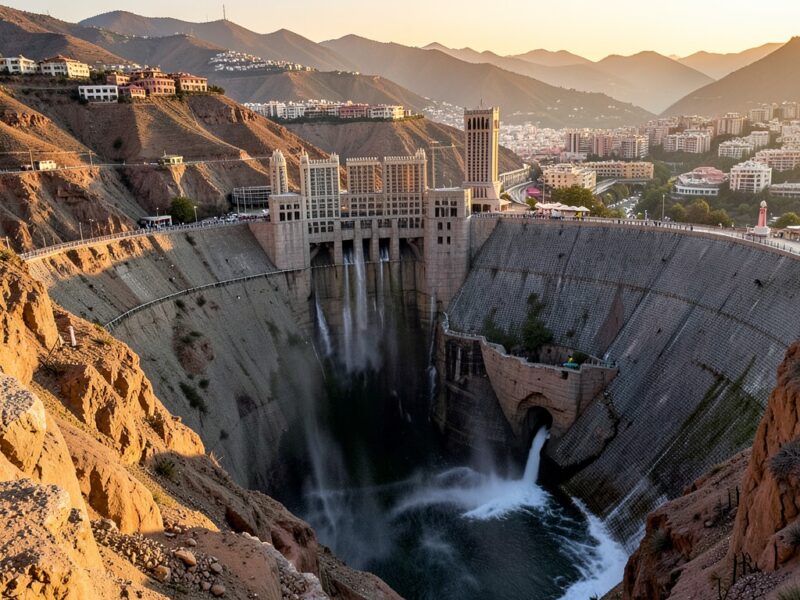
Despite its beauty, the valley poses a risk during heavy seasonal rains, causing substantial damage to nearby homes and farms. To mitigate this, the Najran Valley Dam was constructed to regulate water flow and protect the area.
Najran Valley Dam
The Najran Valley Dam was inaugurated in 1982 at a total cost of 277 million Saudi Riyals. The dam is cylindrical and arched with a radius of 140 meters, standing 60 meters tall and stretching 260 meters in length. It has a storage capacity of 86 million cubic meters of water. The dam features a 4.5-meter-wide bridge crossing over it and contains 110,000 cubic meters of concrete. It is one of the region’s prominent tourist landmarks, especially after rainfall when the reservoir behind it fills, creating breathtaking natural scenery.
Tourist Activities
Visitors can enjoy numerous activities in Najran Valley:
- Picnicking and Relaxation — along the valley’s banks amid green spaces and palm trees
- Visiting Najran Valley Dam — and admiring the views of the artificial lake behind it
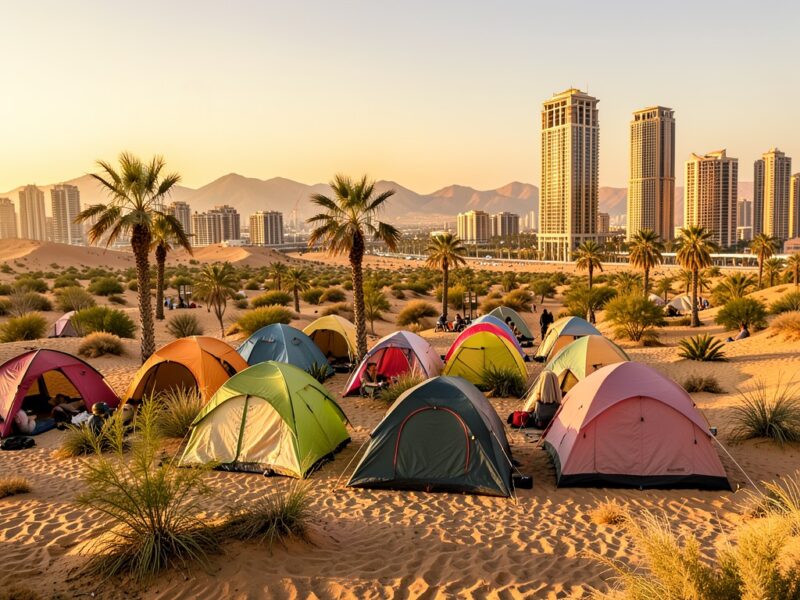
- Camping — in the areas surrounding the valley, particularly in winter and spring
- Nature Photography — capturing stunning images of the landscapes and migratory birds
- Agricultural Tours — visiting nearby farms and purchasing fresh local produce
- Visiting Historical Sites — such as the historic Al-Akhdaud region and the ancient Najran Palace
Best Time to Visit
The best time to visit Najran Valley is during spring (March — May) after the rainy season, when the valley is at its most beautiful. Winter (December — February) also offers mild and pleasant weather, ideal for picnicking and camping.
Frequently Asked Questions
Where is Najran Valley located?
Najran Valley is located in the Najran region of southwestern Saudi Arabia, passing through the city of Najran and dividing it into northern and southern parts.
How long is Najran Valley?
Najran Valley extends approximately 180 kilometers from the foothills of the Sarawat Mountains to the Rub’ al Khali desert.
Is there a dam on Najran Valley?
Yes, the Najran Valley Dam was built in 1982 with a storage capacity of up to 86 million cubic meters, at a cost of 277 million Saudi Riyals.
What activities can be enjoyed?
Visitors can picnic along the valley’s banks, visit the dam and lake, camp, engage in nature photography, and purchase local agricultural products.
What is the best time to visit?
The best time is spring (March to May) after the rains, or winter when the weather is mild.
Najran Valley is one of the most beautiful natural destinations in the Kingdom, combining stunning nature, rich history, and lush agriculture.