Joint National Work Charter between Iraq and Syria: Baghdad Signing in 1978
On October 26, 1978, what was called the “Joint National Work Charter” between Iraq and Syria was signed in Baghdad. The signing took place during Syrian President Hafez al‑Assad’s visit to Iraq, and his meeting with his counterpart President Ahmed Hassan al‑Bakr. This event marks a milestone in the trajectory of relations between the two countries and is listed among the events linked to the history of the Iraqi capital, Baghdad.
The significance of this signing lies in its being a summit‑level agreement, bringing the two heads of state together in a single meeting that resulted in a charter bearing a shared “national” character. Sources document the event as one of the notable occurrences that took place on this day in 1978, attributing Baghdad as the location of the signing.
Baghdad: The Signing Venue and Iraq’s Hub
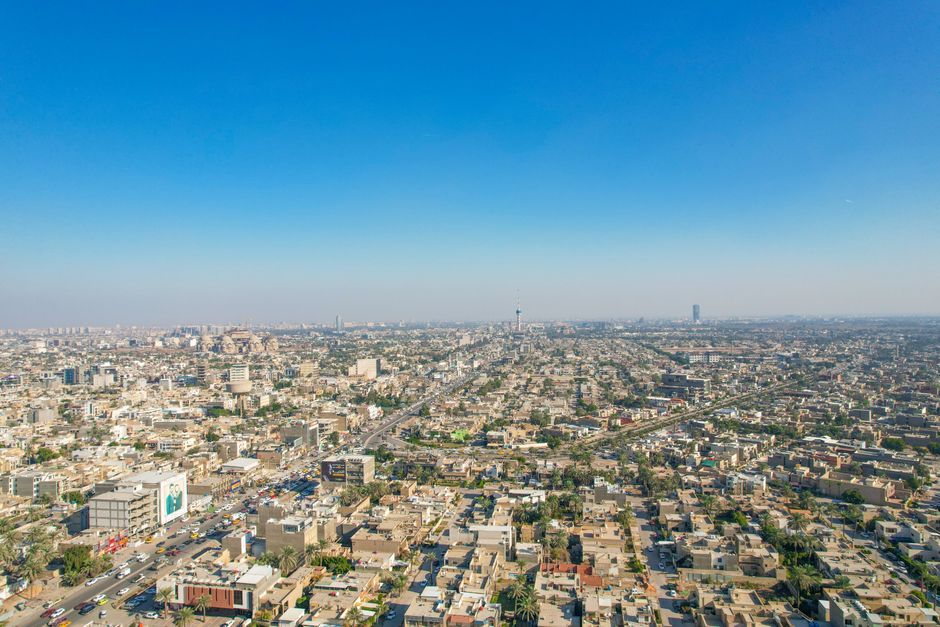
The signing of the charter was linked to Baghdad, the capital of the Republic of Iraq and the center of Baghdad Governorate. The city serves as the political, economic, administrative, and educational hub of the country and is Iraq’s largest city. In the Arab world, Baghdad is the second‑largest city after Cairo, and it ranks 40th globally in terms of population.
According to documented sources, Baghdad’s population in 2016 was about 8.5 million people. This demographic and functional presence reinforces the city’s role as a center where major political events converge, including the signing of the Joint National Work Charter in 1978, which took place on its soil between the heads of Iraq and Syria at the time.
Signatories: al‑Bakr and al‑Assad
The signing brought together two parties at the highest level: Iraqi President Ahmed Hassan al‑Bakr and Syrian President Hafez al‑Assad. Sources indicate that the Syrian president’s visit to Iraq and his meeting with his Iraqi counterpart provided the framework for the charter’s signing. Thus, the event was tied to a summit between Baghdad and Damascus, resulting in a written document titled “Joint National Work Charter.”
The wording of the charter’s name suggests it concerns “national” and “joint” work between the two states, a phrasing that reflects an established framework of cooperation documented between the parties. Sources do not detail the charter’s clauses or its substantive content, but merely record the signing, its date, location, and the two participants.
Context of Relations between Baghdad and Damascus
The signing of the charter occurs within a long historical context of Iraq‑Syria relations, which sources have described under the heading “Brother‑Enemies Conflict,” referring to the nature of the bilateral relationship. This title reflects both convergence and divergence simultaneously, making an event such as the signing of a joint charter in Baghdad in 1978 a noteworthy milestone worth documenting in the trajectory of these relations.
The backdrop of Syrian politics features prominent figures, including Amin al‑Hafiz, who served as Syria’s president from 27 July 1963 to 23 February 1966 and had previously been prime minister from 1964 to 1965. He graduated from the military academy in 1946, fought in the 1948 war, became interior minister after the Ba’ath Party seized power in March 1963, and then assumed the presidency. His tenure witnessed a shift toward a socialist economy, but he was overthrown in a 1966 coup led by Salah Jadid, was arrested, released after the 1967 war, lived in exile in Iraq, and returned to Syria in November 2003 after the U.S. invasion of Iraq.
National Dimension in the Background
The idea of “work …”
“the nationalist” in the Arab region with prominent figures and invitations, among them Gamal Abdel Nasser, the Egyptian politician and military officer who served as the second President of the Republic of Egypt from 1956 until his death in 1970. Nasser was the leader of the Arab Socialist Union that advocated Arab unity, and one of the leaders of the July 23 Revolution that overthrew King Farouk and transformed Egypt’s system into a presidential republic.
Before the revolution, Nasser was a member of the Young Egypt Party that called for socialism. After the revolution, he resigned from his military post and became Prime Minister, then was elected President of the Republic on June 25 1956 according to a referendum held on June 23 1956. After an assassination attempt in 1954 by a member of the Muslim Brotherhood, the organization was banned and suppressed. These facts form a general background for the idea of joint national work embodied in the charter signed in Baghdad.
Frequently Asked Questions
When was the Joint National Action Charter between Iraq and Syria signed?
It was signed on October 26 1978.
Where was the signing held?
The signing took place in Baghdad, the capital of the Republic of Iraq.
Who were the signatories?
The signing occurred during Syrian President Hafez al‑Assad’s visit to Iraq and his meeting with his counterpart President Ahmed Hassan al‑Bakr.
What is the name of the agreement that was signed?
It was called the “Joint National Action Charter” between Iraq and Syria.