Hail is a Saudi city in the north‑central part of the Kingdom, and it is the administrative and regional capital of the Hail region. It is famous for the two renowned mountains, Jabal Salma and Jabal Aja. This guide gathers practical information about the city, its landmarks, activities, and how to get there, serving as a reference for those planning to visit.
Overview of the City, Its Location, and Atmosphere
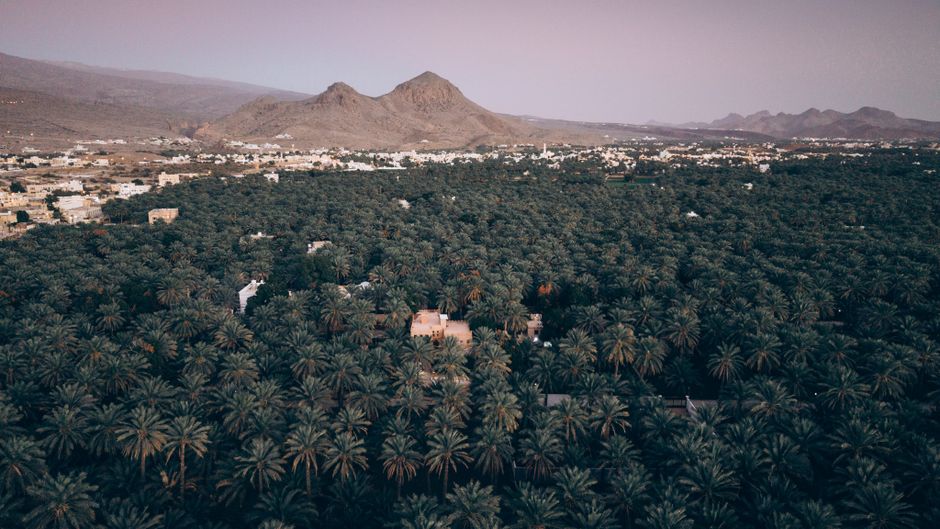
Hail is located in the Jabal Aja area, west of the Adairah Valley, and at its heart lies the famous Bir Samah well, known for its abundant and sweet water. The city stretches in a crescent shape around Jabal Al‑Samra, bounded to the east by the Milih Valley, known as Shuʿayb Al‑Milhiyah, and to the north and west by Jabal Aja.
Hail ranks among the leading cities of the region as a commercial hub and a focal point for transportation and logistics. It is an urban city with no administratively attached villages, and it hosts the regional municipality that provides services to the city and oversees the other sub‑municipalities in the area.
The city lies on terrain ranging from 825 to 1,050 meters above sea level, atop layers of the Arabian Shield with scarce subsurface water, and its deep alluvial soils are suitable for agriculture. The eastern part consists of undifferentiated granite rocks, while the western areas are the elevations of the Aja Mountains reaching up to 1,490 meters above sea level. To the east and the southeastern side are the Aheimarat, Maroor, and Al‑Muaʿallaq mountain ranges. The city itself is situated in a broad valley, the Adairah Valley and its tributaries.
Historically, in the 19th century and early 20th century, Hail was the center of the Emirate of Jabal Shammar, ruled by the Al‑Ali family and later the Al‑Rashid family. Its influence and power extended across most of Najd and neighboring areas until it was overthrown by Abdulaziz Al‑Saud in 1921.
Key Landmarks and Tourist Attractions in Hail
Jabal Aja: Located northwest of the city, it is one of the two mountains famed in Arab history. Its elevations in the western part reach 1,490 meters above sea level, and together with Jabal Salma it forms a geographic and cultural pair that characterizes the region.
Jabal Salma: Situated southeast of the city, about 60 km away, it is the second mountain in the famous Aja‑Salma duo of Arab history. Together with Aja, it constitutes the most prominent geographic landmarks in the area.
Jabal Al‑Samra: Located just east of Hail, it stretches over a moderate length with distinctive terrain surrounded by plains, some ridges, and valleys, and it directly overlooks the city as a panoramic backdrop. The mountain is associated with the poet Hatim al‑Ta’i, who lived in the Hail area during the 6th century AD and used the mountain as a night beacon so that travelers could see it from afar. It thus became a symbol of generosity and hospitality and a cultural landmark visited by tourists from within the Kingdom and abroad. The city arcs around this mountain, making it part of the everyday urban landscape.
Jabal Al‑Samra Foothill Park: The park welcomes visitors and is one of the largest public parks in the region, covering an area of one million square meters. It features an artificial lake, extensive green spaces with walking trails, a children’s playground, horse‑riding facilities, pools and waterfalls, ninety chalets, as well as a popular market, entertainment venues, restaurants, cafés, seasonal event squares, and leisure lounges.
Jabal al‑Rumman: Named after the well‑known pomegranate tree, it is one of the mountainous landmarks surrounding the city and adds to the list of peaks that shape Hail’s surrounding terrain.
Jabal Araf: A site considered one of the most important prehistory sites was discovered near it, giving it archaeological value in addition to its natural value.
Bir Samah: Located in the heart of the city, it is known for the abundance and sweetness of its water, and is one of the local landmarks associated with Hail’s history.
Al‑Nafud Al‑Kabir Desert: Extends within the surrounding terrain of the region, forming a vast desert expanse that adds to the diversity of the natural environment in Hail.
Harat Bani Rashid: One of the distinctive natural formations in the area, it includes Jabal Al‑Ras Al‑Abyad. In the Hail region, the terrain varies between mountains, plains, valleys, sand deserts, and free rock lands.
The valleys: Among the most important valleys of the region are Wadi Hadbaa, Wadi Shabika Rumman, and Wadi Al‑Adair, in which the city itself and its suburbs are located.
Activities you can practice: Family, Natural, and Heritage
Activities in Hail vary according to the nature of the place, and can be classified into three main tracks:
- Family activities: Safh Jabal Al‑Samra Park offers families a comprehensive space including an artificial lake, green areas, walking trails, a children’s playground, amusement rides, restaurants and cafés, as well as the traditional market.
- Natural activities: Viewing the mountains and diverse terrains between Aja, Salma, Al‑Nafud Al‑Kabir, and the free lands, and moving between valleys such as Wadi Hadbaa, Wadi Shabika Rumman, and Wadi Al‑Adair.
- Heritage and cultural activities: Visiting sites linked to the region’s history, notably Jabal Al‑Samra associated with the legacy of Hatim Al‑Tai, Jabal Araf where a major prehistory site was discovered nearby, and Bir Samah in the heart of the city.
The mountain points to a growing tourist presence in the region; Hail recorded more than 2.5 million visitors in 2025, and the number of tourists in the first half of the same year exceeded 1.075 million, with the average length of stay rising to 7.9 nights and total spending surpassing 1.3 billion riyals.
Best time to visit and weather
The tourist season in Hail is linked to the “Saudi Summer 2025” program, which carries the slogan “Your Summer Color”, during which Jabal Al‑Samra becomes a destination for visitors. In this sense, summer is one of the seasons promoted for visiting the region as part of seasonal events.
Monthly temperature details and the best months in terms of climatic moderation have not been specified in the available sources, and the most evident climatic factor remains the elevation above sea level; the city lies between 825 and 1,050 meters, and the heights of Jabal Aja to its west rise to 1,490 meters, making the mountainous terrain part of the visitation experience in all seasons.
Access, transportation, and accommodation
Hail occupies a pivotal position in the region’s transport and communications network, serving as its commercial hub. Moreover, there are two routes that facilitate access from Riyadh to tourist destinations in Hail.
As for accommodation, the signing of the contract for the desert hotel camps project in the region has been overseen, which is a desert lodging option under development. And
Local Restaurants and Food
Safa Mountain Base Park includes a variety of restaurants and cafés within its area, making it a suitable spot for dining during a visit, alongside the local market within the park itself. Specific restaurant names or particular local dishes were not mentioned in the available sources, and local food in Hail remains tied to the region’s hospitality, symbolized by the heritage of Hatim al‑Tai on Mount Samra.
Practical Tips for Travelers
- Start your visit at Safa Mountain Base Park, as it combines walking, food, family entertainment, and mountain views in one place.
- Allocate time to view Mount Samra from the city; it overlooks it directly and provides a panoramic backdrop.
- Include a visit to Jabal Salma southeast of the city, 60 km away, and Jabal Aja to its northwest.
- If you are interested in archaeology, add Jabal Araf to the itinerary, as a prehistorical site has been discovered nearby.
- Calculate your stay duration in advance; the average stay in the area was 7.9 nights in the first half of 2025, reflecting the presence of worthwhile attractions.
- Review accommodation options early during seasons with events, such as the “Your Summer Color” season.
FAQ
Where is Hail located? In north‑central Saudi Arabia, it is the administrative and regional capital of the Hail region, situated in the Jabal Aja area west of Wadi Al‑Adair.
What are its most famous landmarks? Jabal Aja and Jabal Salma, plus Mount Samra overlooking the city, and the Simah Well at its heart.
What is the best place for families? Safa Mountain Base Park, covering an area of one million square meters, featuring an artificial lake, walking trails, children’s playgrounds, restaurants, and a local market.
How far is Jabal Salma from the city? It is located southeast of the city, 60 km away.
Sources
- حائل — ويكيبيديا
- سياحة وترفيه / حائل تسجل أكثر من 2.5 مليون زائر خلال عام 2025 — وكالة الأنباء السعودية
- سياحة وترفيه / أمير حائل يرعى مراسم توقيع عقد مشروع المخيمات الصحراوية الفندقية — وكالة الأنباء السعودية
- «جبل السمراء بحائل».. إطلالة بانورامية بإرث تاريخي عريق — صحيفة مكة
- Two routes make it easier to reach by land from Riyadh to the tourist destinations in Ha’il — alyaum
- 1.3 billion tourist spending in Ha’il — Al‑Watan Saudi newspaper