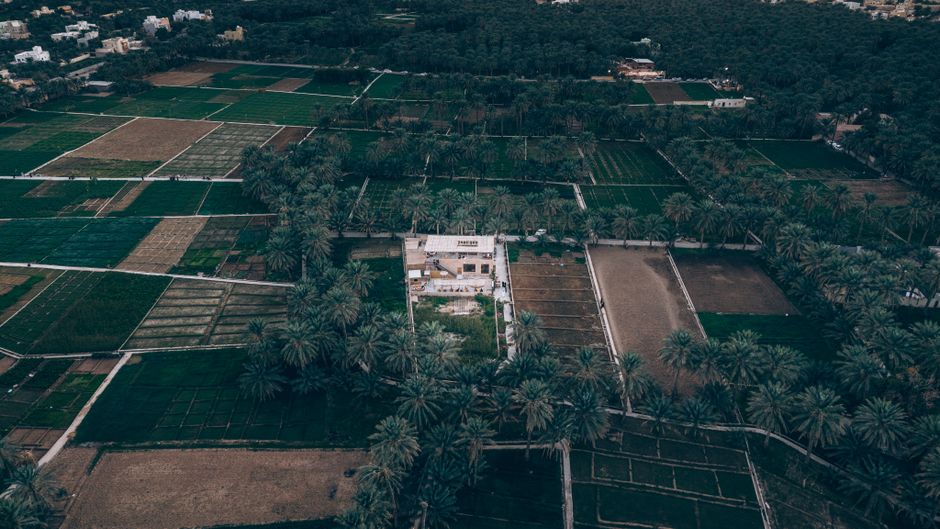
Taif is a city in the northwest of Saudi Arabia, known as Taif of Roses. It is the headquarters of the Taif Region Emirate and its largest city. It combines pre-Islamic historical sites with diverse natural landscapes of mountains and coastlines, and includes several governorates between the coast and the northern borders. This guide organizes essential information about the city’s landmarks, activities, weather, and accommodation options.
Overview of the City, Its Location, and Atmosphere
Taif is located in the northwest of Saudi Arabia. The Taif Region covers an area of approximately 138,504 square kilometers, stretching along the Red Sea coast from the Jordanian border in the north to the south of the city of Al-Ula. The city is situated in a low plain with an elevation ranging between 600 and 800 meters above sea level.
The Taif Emirate includes several governorates: Al-Wajh, Al-Jawf, Tayma, Al-Ula, Haql, and Al-Bad’. The region serves as the northern gateway to the Arabian Peninsula and a vital route for trade, pilgrims, and Umrah visitors from outside the peninsula. It is also one of the important agricultural regions in the Kingdom.
The history of Taif dates back to 500 BC, as indicated by the archaeological findings. It was known as “Tabu” or “Tabua.” It was home to many pre-Islamic peoples, including extinct Arab tribes such as Thamud, Madyan, and the Nabataeans. Historians note that it was also home to clans of the Arab tribe of Judham.
Top Landmarks and Tourist Attractions in Taif
The Prince Sultan Cultural Center is one of the city’s most prominent urban landmarks. Its indoor theater seats 2,500 spectators and is equipped for theatrical performances and film screenings. It includes translation booths and equipment for hosting conferences and seminars, as well as an open-air theater with a capacity of approximately 5,000 spectators.
Other urban landmarks in Taif include the Water Tower, the Emirate Palace, the Municipality Building, the Prince Fahd Social Center, the Literary Club, the Public Library, and the Private Women’s Library. The city also houses the King Khalid Sports City, a comprehensive sports complex featuring a stadium with a capacity of 25,000 spectators, courts for tennis, handball, and basketball, and Olympic-sized swimming pools.
West of Taif lies the Hasmi area, famous for its steep, towering mountains with stunning views. It includes Mount Al-Louz, renowned for its brilliant white appearance in winter due to snowfall.
The region also includes the Al-Daisa village, known for its beautiful scenery, uniquely shaped mountains, and water springs emerging from the hills. The region’s coastlines feature beautiful, pollution-free beaches with stunning coral reefs that encourage tourists to go diving.
The Taif Region contains the burial sites of the people of Prophet Shu’ayb (the People of the Thicket), which include some of the most important archaeological sites in the Arabian Peninsula. Recent reports highlight natural landmarks such as rock tables, which are towering structures on delicate bases shaped by nature, as well as mountain cavities that offer exploratory experiences in the embrace of nature.
Activities to Enjoy in Taif
For families, the city offers extensive green spaces. The total number of parks in Taif city and the region’s governorates is 241, covering a total area of 7,470,647 square meters, distributed within residential neighborhoods and vital locations. Park facilities include more than 215 children’s play areas, over 40 sales and service outlets, 68 public restrooms, 19 sports and fitness equipment areas, 12 decorative fountains, and12 open squares for community events and activities.
For nature and adventure enthusiasts, the area offers diving activities off coral reef beaches, exploring mountain caves, and viewing rock formations. Those who prefer walking and photography can head to the Hasmi area, Al-Lawz Mountain, and the Disah Village to enjoy mountain scenery and water springs.
As for the heritage aspect, it includes visiting the tombs of Prophet Shuaib (peace be upon him) and archaeological sites in the area, in addition to attending seasonal festivals that include the shopping festival, the rose and fruit carnival, the spring festival, the creativity festival, the agricultural festival, and the cultural gathering.
Best Time to Visit and Weather in Tabuk
The city of Tabuk enjoys a moderate climate in summer and a cold, rainy winter. The maximum temperature in summer ranges between 30 and 40 degrees Celsius, and the minimum between 20 and 25 degrees Celsius.
In winter, the maximum temperature ranges between 5 and 15 degrees Celsius, and the minimum between 3 degrees and below zero. The weather on some days is influenced by the Mediterranean climate, and the temperature drops significantly, sometimes leading to heavy snowfall.
Getting Around and Accommodation in Tabuk
Tabuk is located 700 kilometers north of Medina and 1,350 kilometers from Riyadh. The city offers multiple accommodation options, including Mövenpick Hotel Tabuk – Sharahy located at the southern entrance of Tabuk, Maison Hotel, Hilton Garden Inn, Royal Hotel, and Tabuk Millennium Hotel located in the university city.
Other options include Adil Hotel, Al-Arabi Hotel, Al-Jazira Hotel, Al-Hamdan Hotel, Plaza Hotel, Sahabb Hotel, as well as suite hotels such as Four Seasons Suites, Layali Orchid Suites, and Layali Tabuk Suites.
Restaurants, Local Cuisine, and Markets in Tabuk
Tabuk is home to modern commercial centers that include food outlets and services, such as Al-Raqi Mall in the military city at Gate 4, Al-Hayir Complex (formerly Tabuk City Centre), Al-Jadah, Badr Markets, Tabuk Central Market, Tabuk International Markets, City Towers, City Max, Centre Point, Home Centre, Extra, Grand Plaza Tabuk Complex, Centria, Al-Haram Plaza, Al-Sanabil, Al-Musa Markets, Al-Makan Mall Complex, Tabuk Mall, and Milagro Boutique Mall.
For those seeking a local experience, there are well-known seasonal and weekly markets in the city. The Haraj Market is a traditional market that gathers tools, clothing, and furnishings, held every Friday as the largest market. The Thursday Market is a marketing day where vendors spread over a vast area of land across three lines, each estimated at 500 meters, and it often features food and sweets. The Friday Market is held in the Al-Muntazah neighborhood. The Khalidiyah Market, however, is only held during the month of Ramadan, set up in the center of the Khalidiyah neighborhood every afternoon, where heritage items, old tools, and food are displayed.
Practical Tips for Travelers to Tabuk
- Plan your trip according to the season: summer is moderately hot, and winter is cold and may experience snowfall, so choose appropriate clothing for each situation.
- Allocate a full day to urban landmarks in the city center, and another day for natural sites west of Tabuk such as Hasmi, Al-Lawz Mountain, and Disah.
- For diving enthusiasts,
Frequently Asked Questions About Tourism in Tabuk
What is the best time to visit Tabuk?
The climate is moderate in summer and cold and rainy in winter. The choice depends on your tolerance for heat or cold, keeping in mind that snow may fall occasionally in winter.
What are the main natural landmarks in Tabuk?
The Hasmi area, Al-Louz Mountain, Al-Daisa Village, rock tables, and mountain cavities, in addition to coral reef beaches.
Are there diverse accommodation options in the city?
Yes, the city includes several hotels and hotel suites, such as Makarem Tabuk – Sahara, Hilton Garden Inn, Tabuk Millennium, and Layali Tabuk Hotel Suites.
What are the family-friendly activities in Tabuk?
Parks located in residential neighborhoods and vital areas, which include children’s play areas, sports equipment zones, and open squares for events.
Sources
- Tabuk — Wikipedia
- Tourism and Entertainment / Rock Tables in Tabuk.. Towering Landmarks on Precise Foundations Drawn by Nature — Saudi Press Agency
- General / Tabuk Region Attracts Tourists to Its Beaches and Touristic and Archaeological Sites — Saudi Press Agency
- General / Tabuk.. An Attractive Tourist Destination Distinguished by Diverse Geographic and Topographic Features — Saudi Press Agency
- Tourism and Entertainment / Mountain Cavities in Tabuk.. Captivating Topography and Exploratory Experiences in the Embrace of Nature — Saudi Press Agency
- Photos | Rock Tables in Tabuk.. Towering Natural Landmarks for Thousands of Years — Al-Yaum Saudi Newspaper
- Saudi Tabuk.. Sea, Plain, Mountain, and Ancient Ruins — Al Arabiya
- Madain Saleh in AlUla Governorate, Tabuk Region, is among the most prominent archaeological sites — Saudi Al-Youm Newspaper
- Saudi Arabia’s Tabuk thrives with 241 parks and a waterfront by the end of 2025 — Sayidaty Magazine