The Saudi Ministry of Education has activated the School Principal’s Guide for the High School Tracks System and the Tracks Coordinator’s Guide, which were approved at the beginning of the 1442-1443 AH academic year. This includes the implementation of the common first year of the secondary stage in all public and private schools, Quran memorization schools, Saudi schools abroad, night schools, and schools for adult women. This article explains the structure of the system, the guides that regulate it, and what this means for the school principal, the coordinator, the student, and the parent.
The Tracks System: A Common First Year Followed by Specialization
The High School Tracks System is based on the implementation of the common first year of the secondary stage, whereby students begin their secondary education with a unified year before specializing. The Ministry of Education links this regulation to two stated objectives: improving the outcomes of the educational process in line with the Kingdom’s Vision 2030, and aligning educational outcomes with labor market needs.
The Saudi Press Agency described the secondary stage tracks system as being consistent with the requirements of the 21st century and the development plans of the Kingdom’s Vision 2030. This means that the change is not merely an administrative reorganization of the stage, but is linked to a broader developmental context.
Scope of Application and Approved Guides
The Ministry defined the scope of application of the common first year to five types of schools, which are:
- All public and private schools.
- Quran memorization schools.
- Saudi schools abroad.
- Night schools.
- Schools for adult women.
As for the regulatory tools, the Ministry has approved and directed the activation of two guides:
- The School Principal’s Guide for the High School Tracks System.
- The Tracks Coordinator’s Guide, which was approved at the beginning of the 1442-1443 AH academic year.
The existence of a dedicated guide for the Tracks Coordinator means that monitoring the implementation of the system within the school is not solely the responsibility of the school principal; rather, there is another specific entity designated in the guide to undertake this monitoring.
How Each Party Deals with the System: Practical Steps
The roles here are clear and defined, and each role is linked to a specific document or procedure:
- School Principal: Refers to their specific guide for the High School Tracks System, which is the guide approved by the Ministry of Education and directed for activation.
- Tracks Coordinator: Works according to the dedicated guide approved since the beginning of the 1442-1443 AH academic year.
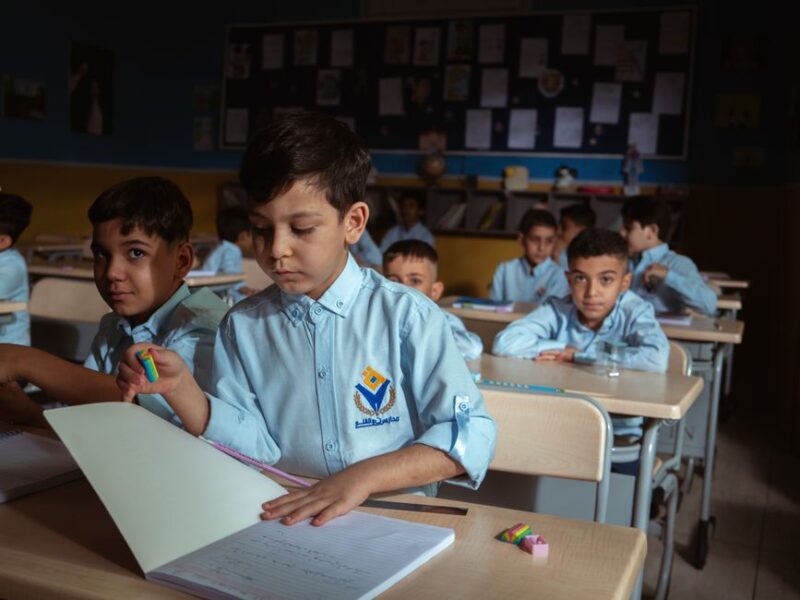
- Student: Studies the common first year of the secondary stage, then moves on to the specialized track.
- Parent and Private School Student: Follows the developments in the implementation of tracks in their school, as private schools are within the scope of application.
- Schools dealing with higher education: Benefit from the alignment between high school tracks and university academic plans and educational programs.
The Responsible Entity and Alignment with Universities
The entity responsible for the Tracks SystemIt is the Ministry of Education, which approved the two guidance manuals for the school principal and the tracks coordinator.
Regarding the transition from secondary to university education, the Higher Education Agency at the ministry organized a workshop on the curriculum development project and secondary tracks, aiming to align with the study plans and educational programs in universities. This alignment concerns the student planning their path after secondary education, as it connects what they study in the track with what they will later join.
As for the tuition fees associated with this system, they have not been officially announced, and the timeline for implementing the system has not been determined in the available sources.
Frequently Asked Questions
Does the tracks system apply to private schools?
Yes, private schools fall within the scope of implementing the first common year, alongside public schools, Quran memorization schools, Saudi schools abroad, evening schools, and adult education schools.
What is the difference between the role of the school principal and the tracks coordinator?
Each has an independent guidance manual: a manual for the school principal in the general secondary tracks system, and a manual for the tracks coordinator approved at the start of the academic year 1442-1443 AH.
Does the student begin specialization from the first year of secondary?
No, the first year is common for all students, after which the student moves to the specialized track.
Is there a connection between the tracks and university studies?
Yes, through the alignment between secondary tracks and the study plans and educational programs at universities—an alignment addressed in a workshop organized by the Higher Education Agency.
Sources
- General / The tracks system in secondary education aligns with the requirements of the 21st century and the developmental plans of Saudi Vision 2030 – Saudi Press Agency
- Secondary Tracks – Ministry of Education
- Ministry of Education Approves Activation of the Guidance Manual for School Principals and Coordinators in the General Secondary Tracks System – Ministry of Education
- Higher Education Agency Organizes a Workshop on the Curriculum Development Project and Secondary Tracks for Alignment with Study Plans and Educational Programs in Universities – Ministry of Education