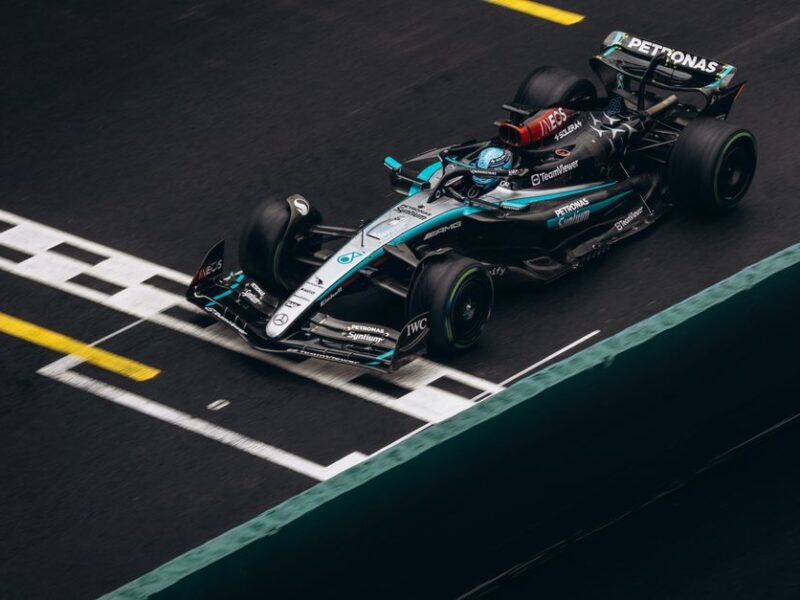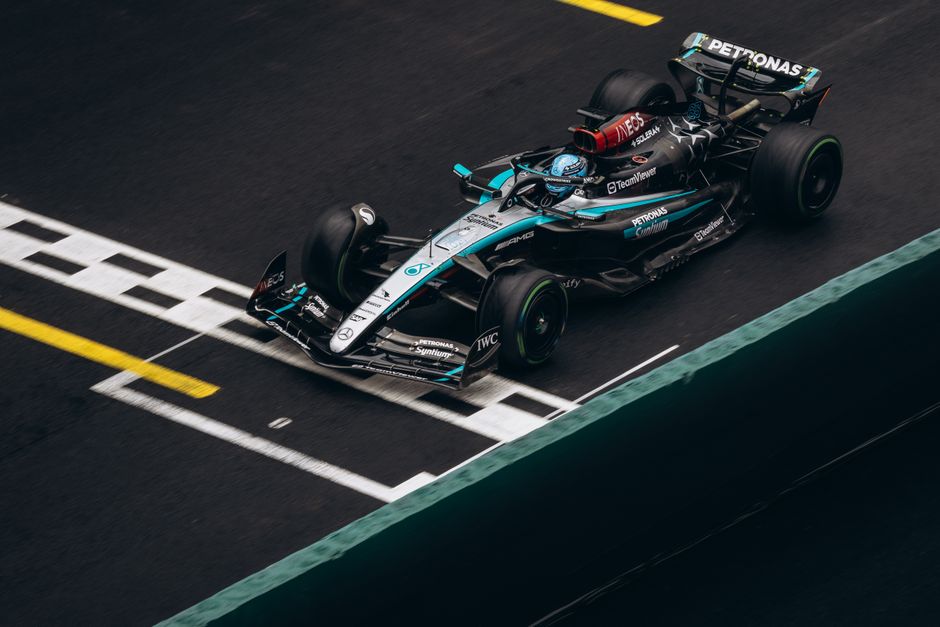
On November 2, 2008, Lewis Hamilton clinched his first title in the Formula One World Championship, but the way was harder than the viewer imagines. The gap at the end of the season was only one point from Felipe Massa, and the decision came at the Brazilian Grand Prix. Notably, the title was not sealed until the final lap of the race, after Hamilton passed Toyota driver Timo Glock and reached fifth place. These small details are what turn an ordinary race into an unforgettable night in the championship’s history.
What makes this title different is that the very narrow margin means that any change in the position of a single place would have been enough to overturn the result. The fifth place that Hamilton reached was not a marginal position, but the position that determined the fate of the title. Therefore the race remained open until the final lap, and the points calculation hung on small details on the circuit.
What happened at the Brazilian Grand Prix?
The scenario that unfolded at the Brazilian Grand Prix is based on one idea: Hamilton needed a specific position, not a race win. In the final lap, he overtook Toyota driver Timo Glock and moved to fifth place. This overtake is what finalized the calculation in his favor, because reaching fifth place is what allowed him to clinch the title by a one‑point margin over Massa.
Notice the logical order of events: the overtake first, then fifth place, then the title. In other words, the title was not decided before that moment, and Hamilton was not in a comfortable position in the race. This sequence is the essence of the story, not just a final result recounted years later. The narrow points gap also explains why fifth place was sufficient, and why winning the race was not a prerequisite for deciding the championship.
Who is Timo Glock and what was his role in the decision?
Timo Glock, the Toyota driver, is the second party at the decisive moment. His role in this story is precisely defined: he was the driver Hamilton passed on the final lap to reach fifth place. In other words, Glock was not just a passing driver in the race, but a direct part of the equation that determined the World Champion.
This point deserves pause because it explains the nature of Formula One races. In many seasons, the title is not decided by a large margin, but depends on a lower‑placed position or an overtake in a single lap. Here, fifth place was not an ordinary number in the standings, but the difference between champion and runner‑up. Therefore Glock’s name is linked to this event, not because he won anything, but because his being overtaken was the moment that closed the calculation.
Why was a one‑point difference important?
A one‑point gap means that the whole season was almost level between Hamilton and Massa. There is no room to talk about clear superiority or absolute domination, but rather a championship calculated by positions. One point means that any extra place in any race could have changed the outcome, and the final standing was not decided until the last race.
This single point also explains why fifth place was sufficient. If the gap had been larger, fifth place would have been just an ordinary position. But with such a narrow margin, every position carries a different weight. Therefore Hamilton’s overtake of Glock on the final lap was not an improvement in ranking, but the difference between the title and the runner‑up.
What does this title mean in Hamilton’s career?
This title is Hamilton’s first in the Formula One World Championship. This piece of information alone is enough to explain its importance, because it represents the starting point in the record of titles, not an addition to s
He stands tall. And from here comes its value: the first title always carries a different meaning from the other titles, because it proves that the driver is capable of reaching the top.
And the way the title was achieved adds to its weight. It was not a comfortable season nor an early decision, but a season that ended on the final lap of the last race. This type of title remains in memory because it tests the driver until the very last moment, and makes the result tied to small details that cannot be predicted before the race ends.
Frequently Asked Questions
When did Lewis Hamilton win his first Formula One title?
He won it on November 2, 2008, at the Brazilian Grand Prix.
What margin did Hamilton secure the title by?
A one-point margin over Felipe Massa.
How did Hamilton clinch the title during the race?
By overtaking Toyota driver Timo Glock for fifth place on the final lap.
What is the name of the race where the title was decided?
The Brazilian Grand Prix.