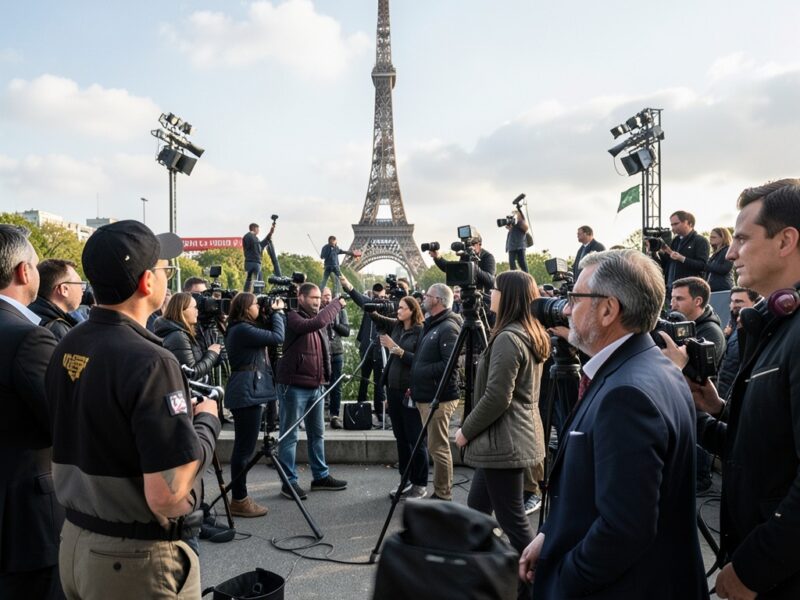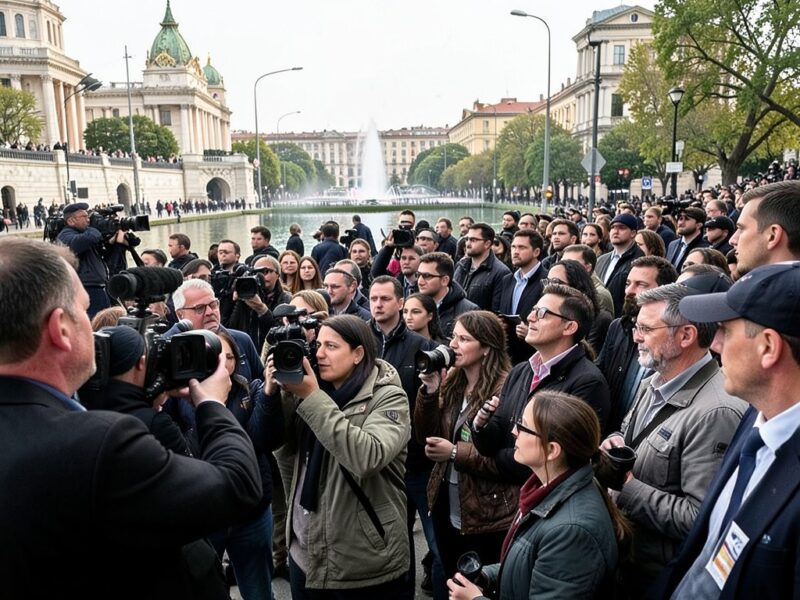
On this day… CNN was born
On June 1, 1980, CNN launched its first broadcast from Atlanta, Georgia, becoming the world’s first 24-hour news channel. Founded by media mogul Ted Turner, the idea was revolutionary at a time when news was only broadcast at scheduled times in the morning and evening.
Critics greeted the idea with skepticism, dubbing it “Chicken Noodle News” in mockery of the notion that anyone would want to watch news all day. Yet Turner was convinced there was an audience hungry for continuous news coverage.
A Rocky Start and a Roaring Success
Initially, CNN was losing millions and only reached subscribers in a limited number of U.S. cities. But two major events changed its trajectory: the 1981 assassination of Egyptian President Anwar Sadat, where CNN outperformed all traditional networks, and, most significantly, the 1991 Gulf War.
During the Gulf War, CNN correspondents (Peter Arnett, Bernard Shaw, and John Holliman) were the only journalists in Baghdad during the U.S. bombing. They broadcast live reports as bombs fell around them, drawing millions worldwide to watch CNN in real time. At that moment, CNN transformed from a fledgling channel into a global media icon.
CNN’s Impact on Global Media
CNN brought about a radical shift in how news was consumed:
- The birth of the “24-hour news channel” concept, which inspired dozens of others worldwide (from BBC World News to Al Jazeera and Al Arabiya)
- A change in the news cycle — politicians now tailored their messages for an “instant viewing” audience, not just the morning edition
- The emergence of the “CNN Effect,” referring to the power of live news coverage to influence foreign policy decisions
- The shift from local to global, real-time news experiences
CNN Today
After more than 45 years, CNN remains one of the largest news networks in the world, with offices in over 200 countries and regions and thousands of journalists on staff. Despite fierce competition from newer news channels and digital platforms, CNN’s legacy as the pioneer of round-the-clock news coverage remains the cornerstone of modern journalism.
On this day, we remember how a simple idea — “news is always available” — changed the world.