Dhi Ain Archaeological Village — The Hanging Marble Village in the Baha Mountains
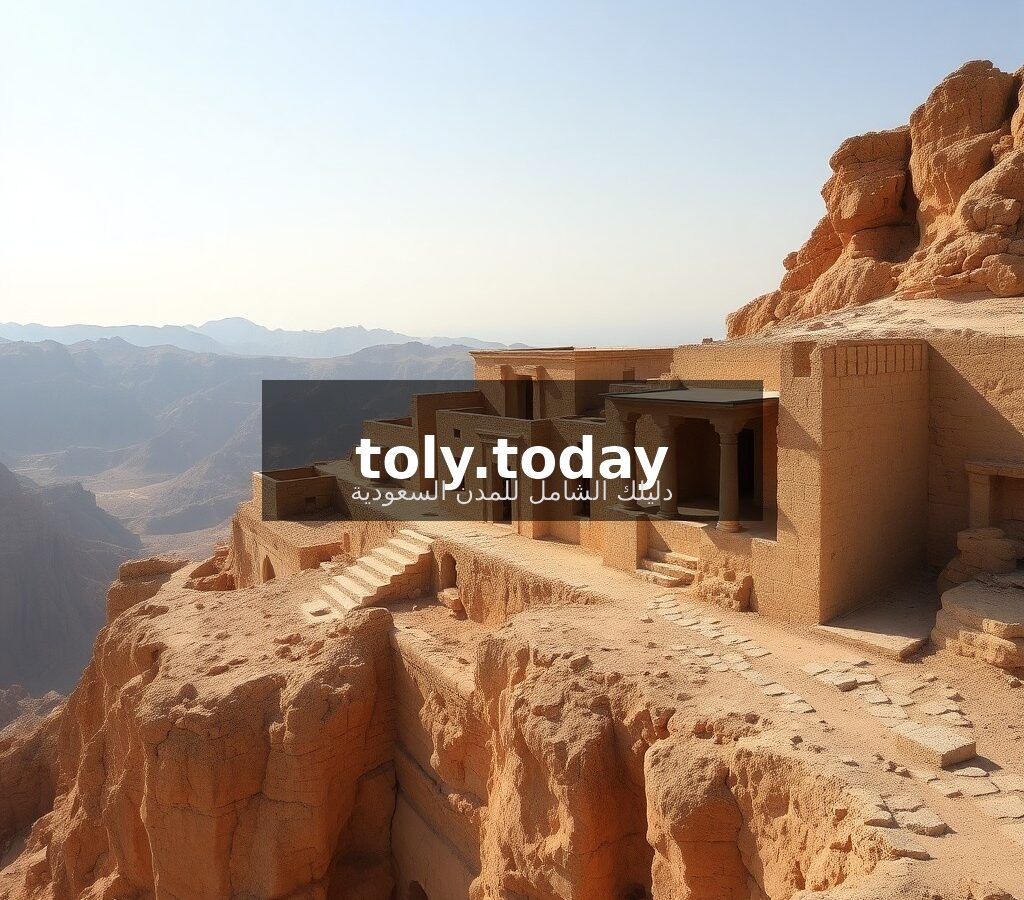
Imagine a village over 400 years old, with buildings made of pristine white marble, perched on a mountain peak like an eagle’s nest. This is Dhi Ain Archaeological Village in the Baha region, one of the most beautiful and unique heritage villages in Saudi Arabia. Once you visit, it feels like stepping into a historical film — a scene you won’t forget.
Why is it called “Dhi Ain”?
The name doesn’t come from the “eye” of sight — no. Dhi Ain refers to a water spring that once flowed from the mountain and sustained the village long ago. This flowing spring allowed people to settle here and build their homes from the white marble found in the same mountain. Simply put, everything in Dhi Ain is white — the mountains, the houses, the pathways — as if it were a snowy village nestled in the green mountains of Baha.
What makes it different from other heritage villages?
- Building materials: All the houses are built from white marble and quartz stones — extremely rare in Saudi villages.
- Location: Elevated on a white mountain peak, overlooking Wadi Al-Khaytan — a breathtaking view.
- Architecture: Tightly packed buildings with multiple floors, narrow internal staircases — unique designs that are centuries old.
- Carvings: Some walls feature ancient Islamic carvings and Kufic script inscriptions.
- Mosque: There is a small ancient mosque built in the same marble style, with visible remains.
What can you do if you visit?
- Walk among the old houses and admire the unique architecture
- Take photos in the village — white marble against green mountains makes a magical backdrop
- Visit the nearby Baha Museum to learn more about the region’s culture
- Enjoy the Baha region after your visit — dense forests, cool weather, and pomegranate and grape farms
Practical information for visiting
Dhi Ain Village is located in Al-Mikhwah Governorate in the Baha region, southwest of Saudi Arabia. It is about a 45-minute drive from Baha city.
- Best time to visit: December to March — mild and pleasant weather
- Entry: Free — the village is open to the public
- Visit duration: One to two hours is enough
- Tip: Wear comfortable shoes — the path involves uphill and downhill walking, and the rocks can be slippery
- Nearby attractions: Ragdan Forest, Baha National Park, and Al-Miftaha Village
What do historical sources say?
Some historians trace the history of Dhi Ain back to the Ottoman era, and say its earliest inhabitants were from the Ghamid tribe, known in the region. The stone fortress at the top of the village was used for surveillance and warning against raids. Despite the passage of time, the houses remain standing — a testament to the skill of ancient builders.
In summary
If you love places that combine beauty + history + rarity, then Dhi Ain Archaeological Village is your destination. It’s not just an old village — it’s a marble architectural masterpiece on a mountain peak, with no equivalent in Saudi Arabia. Baha itself is a beautiful region worth a full trip, but Dhi Ain is the jewel that tops any traveler’s list when visiting the south.
Code:
Whatever — be it a flight ticket or gasoline — is worth the kilometers you travel to reach it.