Introduction to the Gallbladder
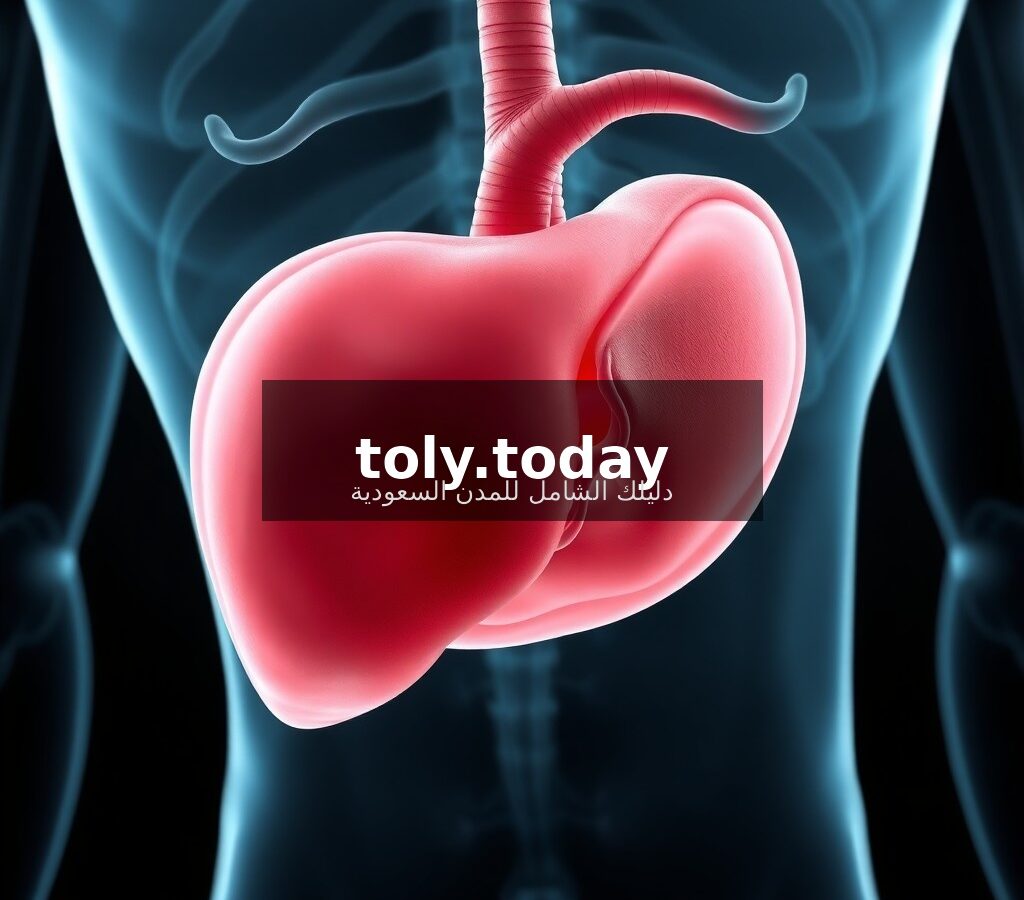
The gallbladder is a small organ located beneath the liver, and its primary role is to store bile, which aids in the digestion of fats. Gallbladder problems are very common, especially among women over the age of 40, and often begin without obvious symptoms. In this article, we review the most important warning signs and natural care methods.
7 Warning Signs of Gallbladder Problems
- Sudden pain in the upper right abdomen — may radiate to the shoulder or back, often occurring after a fatty meal.
- Nausea or vomiting — especially after eating.
- Indigestion and bloating — feeling of fullness after small meals.
- Yellowing of the skin or whites of the eyes — a sign of bile duct obstruction.
- Dark urine and light-colored stool — changes in urine color to dark and stool to light.
- Fever and chills — may indicate acute cholecystitis.
- Pain one hour after eating — especially after consuming fatty or fried foods.
Causes of Gallbladder Problems
The most common cause is the formation of gallstones, which are hard deposits of cholesterol or bilirubin. Risk factors include obesity, rapid weight loss, pregnancy, diabetes, genetics, and high cholesterol. Additionally, lack of physical activity and fast food increase the likelihood of stone formation.
Natural Ways to Care for the Gallbladder
You can reduce the risk of gallbladder problems by following these simple tips:
- Reduce saturated and fried fats — replace them with healthy fats like olive oil and avocado.
- Increase fiber in your diet — vegetables, fruits, oats, and legumes improve digestion and reduce cholesterol.
- Maintain a healthy weight — obesity increases the risk of stones, but rapid weight loss is also risky.
- Drink warm fluids — such as anise, mint, and turmeric, which help soothe the gallbladder.
- Eat small, regular meals — instead of one large fatty meal, distribute your food into 5-6 small meals.
- Apple cider vinegar and lemon — adding lemon juice and vinegar to your food may help prevent stone formation.
When Should You See a Doctor?
If you experience severe and sudden abdominal pain, notice yellowing of the skin, or develop a fever, seek medical attention immediately. Do not ignore symptoms, as acute cholecystitis can lead to serious complications. Early diagnosis with an ultrasound is the most reliable method for detecting stones.
Summary: Gallbladder care begins with your daily plate. Choose healthy food, reduce unhealthy fats, and maintain your weight. Do not hesitate to consult a doctor if any warning sign appears — prevention is better than cure.