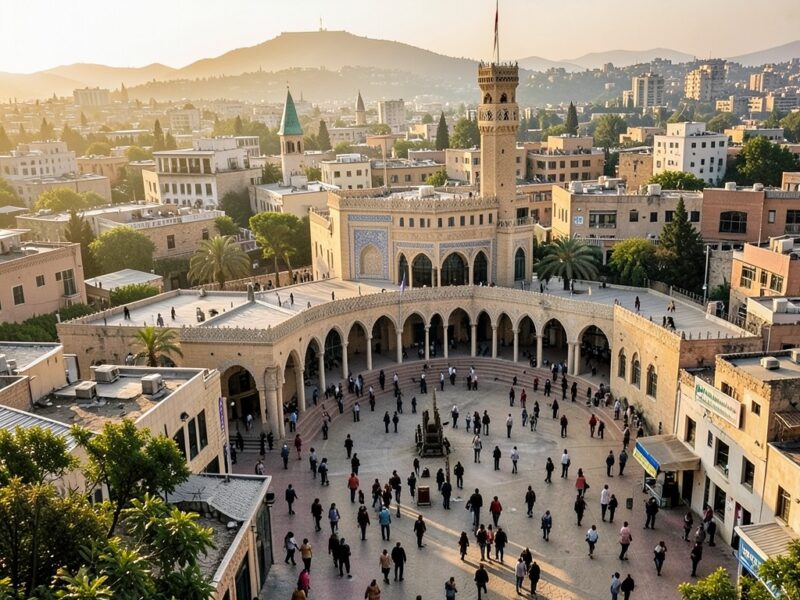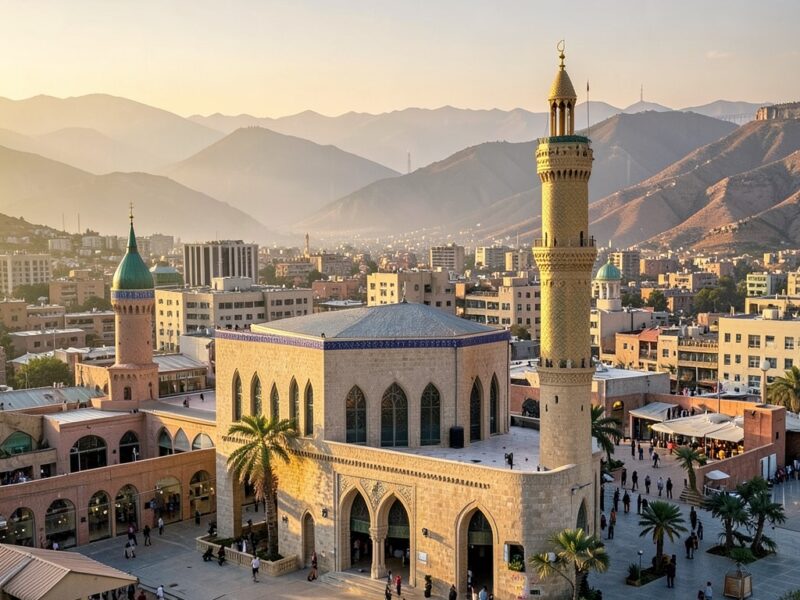
In the south of Mecca, just a few kilometers from the Grand Mosque, stands Mount Thawr towering high, carrying in its rocks the greatest story in Islamic history. This mountain, which rises no more than 750 meters above sea level, has become immortalized in Islamic memory because it sheltered the most precious secrets of the call to Islam — when the Prophet Muhammad ﷺ and his companion Abu Bakr al-Siddiq, may God be pleased with him, hid in the Thawr Cave during their momentous journey to Medina.
Mount Thawr is not merely a geographical landmark, but a shining page from the biography of the Prophet ﷺ that tells the story of faith in the darkest of circumstances. Visitors and pilgrims come from all over each year to breathe in the scent of history and reflect on the verse revealed that night: “When the two were in the cave, when he said to his companion, ‘Do not grieve; indeed, God is with us’” (Quran 9:40). In this article, we take you on a complete journey to Mount Thawr and its famous cave.
Historical Overview — The Great Night of the Cave
In the thirteenth year of the mission (622 AD), the persecution of the Quraysh against the Prophet Muhammad ﷺ and his companions intensified, and God permitted His Prophet to migrate to Medina. The Quraysh plotted to assassinate him, so the Prophet ﷺ instructed Ali ibn Abi Talib to sleep in his bed, and he and Abu Bakr al-Siddiq left under the cover of night toward the south of Mecca — the opposite of the expected direction — to hide in the Thawr Cave.
The story of the cave recounts great miracles: climbing the mountain in pitch darkness, entering the narrow cave that could barely fit two men, a spider weaving its web over the cave’s entrance in moments, and doves nesting at its mouth. When the Quraysh reached the cave’s opening and nearly saw those inside, it was only by God’s grace that they did not. The Prophet and Abu Bakr stayed in the cave for three days until the pursuit subsided, then left under the guidance of Abdullah ibn Urayqit toward Medina.
The mountain is named after “Thawr ibn Abd Manaf,” one of the ancestors of the Quraysh tribe. It is said that the mountain was once worshipped by some tribes in the pre-Islamic era before God chose it as a refuge for His Prophet.
Location and How to Get There
Mount Thawr is located in the southern part of Mecca, in the “Al-Misfalah” district south of Al-Hijrah district, about 4 kilometers from the Grand Mosque. The mountain stretches about 1.3 kilometers in length and 800 meters in width, and is characterized by its rocky, pyramid-like shape.
Ways to get there:
- Private car: From central Mecca, take King Abdulaziz Road south toward Al-Misfalah district, then follow the directional signs toward Mount Thawr.
- Taxi or Uber: The cost of the trip from the Grand Mosque is about 15-20 riyals.
- On foot: You can walk from the Grand Mosque in 40-50 minutes through Mecca’s old neighborhoods.
- Entry is completely free — there are no tickets or fees.
Activities and Experiences at Mount Thawr
Climbing Mount Thawr and Visiting the Cave
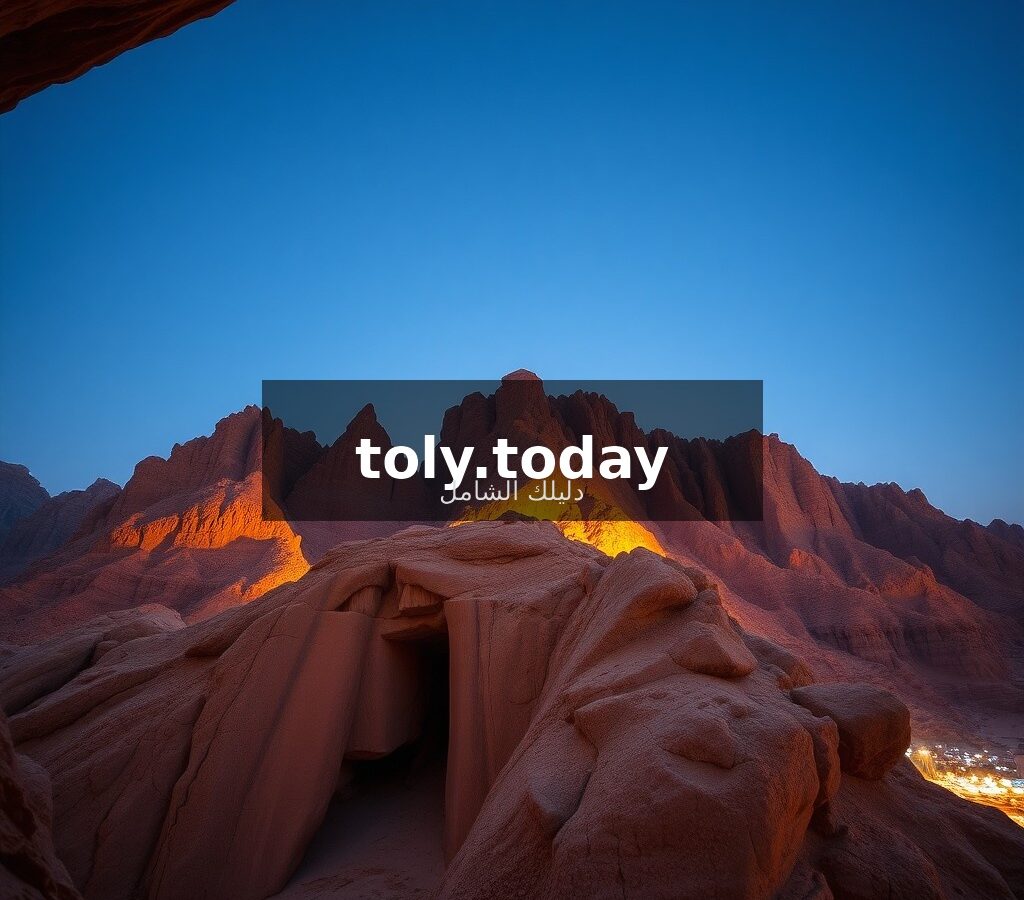
The most important experience is climbing the mountain to reach Thawr Cave. The path is not easy — it is a rocky, winding trail that takes about 30-60 minutes depending on your fitness level. The cave is located about 200 meters above the base of the mountain, and its entrance is narrow, barely wide enough for one person, with a depth of about 3.5 meters and a width of approximately 1.5 meters. Inside the cave, there is a small opening in the ceiling that allows light and air to enter.
Reflection and Prayer
Exploring the Surrounding Area
The area surrounding Mount Thawr is rich with historical landmarks of old Mecca. You can stroll through the historic districts of Al-Misfalah and Jeddah, seeing the ancient stone houses and popular markets that still retain their traditional character. The area is also close to the Mina pilgrimage site, making it an excellent stop for pilgrims wishing to explore historical sites.
Photography
Mount Thawr offers stunning panoramic views of the Holy City of Mecca. From the summit, you can photograph the entire sacred city with the Grand Mosque on the horizon. The sunset from the top of the mountain is an unforgettable sight, as the sun sets behind the Meccan mountains and the city lights reflect on the horizon.
Practical Information — Opening Hours and Prices
Visiting Hours:
- The site is open every day of the week, 24 hours
- Best climbing times: Early morning (6-10 AM) or after Asr (4-6 PM) — to avoid the heat of the sun
- During Hajj and Umrah seasons (Ramadan, Dhu al-Hijjah), attendance is higher
Ticket Prices:
Entry to Mount Thawr and its cave is completely free. There are no entry fees or permits required. The site is open to all men and women.
Important Tips:
- Wear comfortable shoes suitable for walking on rocks — the path is rugged
- Bring enough water with you — there are no nearby facilities
- There are no restrooms or shade in the area — prepare accordingly before going
- Avoid visiting at noon (12-3 PM) as the heat is intense
Important Tips for Visitors
To enjoy your visit to Mount Thawr, here are 5 essential tips:
- Mention Allah at the start of your climb: Reflect in your heart on the greatness of the historical moment as you ascend — every step you take on this mountain was taken by the Prophet ﷺ and Abu Bakr before you
- Choose the right time: The best time to visit is winter (November-February) as the weather is moderate. In summer, limit your visit to dawn or dusk
- Stay fit: Climbing requires physical effort — it’s not very difficult but does require moderate fitness. Take breaks while ascending
- Wear modest and light clothing: Mecca is a sacred city — respect its sanctity by wearing modest clothing. Light cotton clothing is preferred for men, and comfortable abayas for women
- Pay attention to safety: The rocky path can be slippery after rain. Do not attempt to climb at night without a guide who knows the path. Make sure you have a charged phone for using maps
Frequently Asked Questions (FAQ)
Q: Is Thawr Cave the same as Hira Cave?
A: No, there is a big difference. Hira Cave is located in Mount Nur north of Mecca, where the revelation first descended. Thawr Cave is in Mount Thawr south of Mecca, and it is the cave where the Prophet ﷺ and Abu Bakr hid during their migration.
Prophet ﷺ and Abu Bakr during the migration. Do not confuse them — each has their own story and place.
Q: Is climbing suitable for the elderly and people with disabilities?
A: Unfortunately, the path to Thawr Cave is not suitable for people with disabilities or the elderly who have mobility issues. The route is rocky and rugged, with no elevators or paved paths. The elderly can enjoy viewing the mountain from below and pray at its base.
Q: How many visitors are there daily, and is there congestion?
A: On regular days, visitors are relatively few because the mountain is not part of the main developed tourist destinations. However, during Hajj and Umrah seasons — especially in Rabi’ al-Awwal (the month marking the migration) — the number of visitors increases noticeably. It is best to visit during quiet times to avoid congestion inside the narrow cave.
Summary: Thawr Mountain is not just a mountain; it is a spiritual station that takes you on a journey through time to the greatest moments of patience and trust in Allah in Islamic history. Visiting the cave is an unparalleled spiritual experience that reminds you of the value of certainty in Allah during the most difficult circumstances. Whether you are a pilgrim, an Umrah performer, or a visitor to Makkah, make this mountain part of your travel itinerary — and you will return with a great story to tell your family and loved ones.