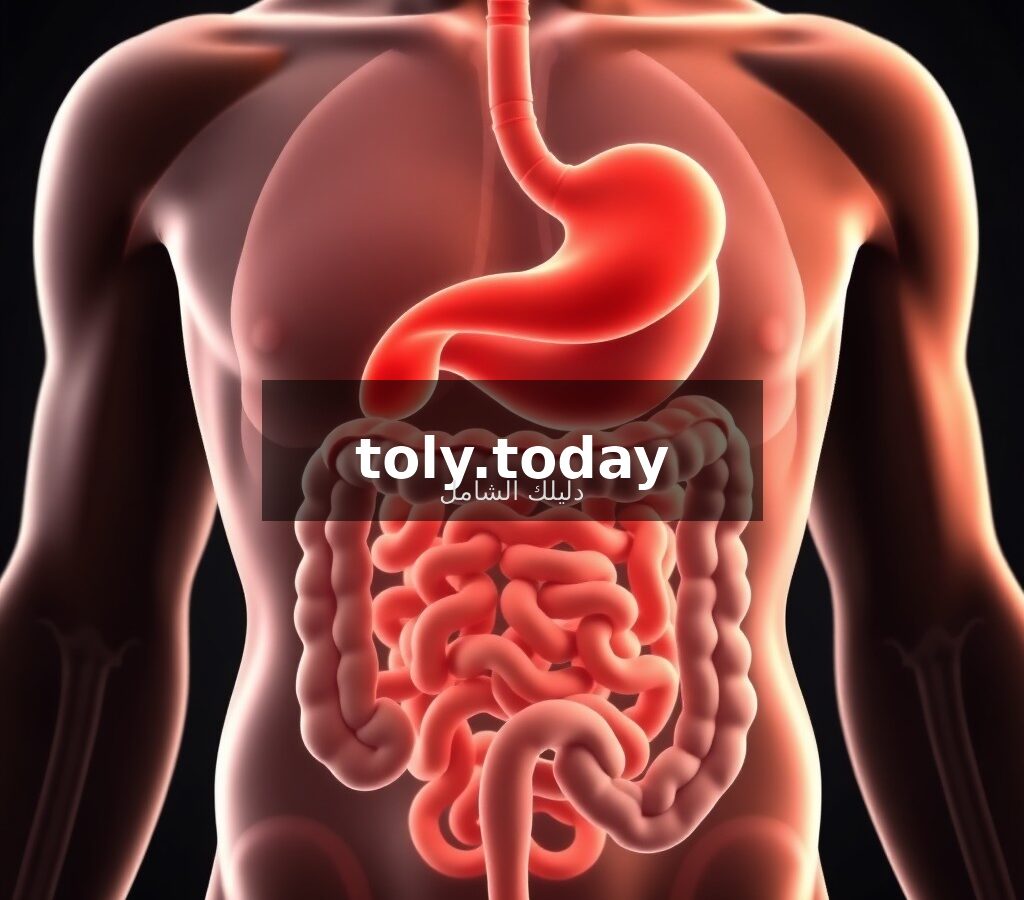
Do you suffer from bloating and abdominal pain without a clear cause?
Many people suffer daily from abdominal cramps, painful bloating, or bowel movement issues alternating between constipation and diarrhea. Often, these symptoms are an indication of Irritable Bowel Syndrome (IBS), a health condition that affects the large intestine and is one of the most common digestive disorders worldwide.
In Saudi Arabia, statistics from the Saudi Ministry of Health indicate that irritable bowel syndrome is one of the most common reasons for visits to gastroenterology clinics, affecting the quality of life of millions. But here’s the good news: symptoms can be significantly controlled through simple lifestyle and dietary changes.
What is Irritable Bowel Syndrome?
Irritable bowel syndrome is a functional disorder of the large intestine, meaning the intestines appear structurally normal during endoscopic examination, but their function is disrupted. The muscles of the colon contract either more strongly or more weakly than normal, leading to uncomfortable symptoms that vary from person to person.
Common Symptoms of Irritable Bowel Syndrome
- Abdominal pain and cramps — often improve after a bowel movement
- Bloating and gas — especially after eating or at the end of the day
- Changes in bowel movements — constipation, diarrhea, or alternating between the two
- Feeling of incomplete bowel evacuation
- White or clear mucus in stool
- Sudden urge to go to the bathroom
To diagnose irritable bowel syndrome, doctors rely on the Rome IV criteria, which require the presence of abdominal pain at least once a week for the last 3 months, associated with bowel movements or changes in bowel habits.
Possible Causes
The exact cause of irritable bowel syndrome is unknown, but doctors attribute it to a group of contributing factors according to Mayo Clinic and WebMD:
- Disrupted bowel movements — either overly strong or weak contractions
- Visceral hypersensitivity — the nervous system in the intestines overreacts to normal stimuli
- Previous digestive system infections — after food poisoning or acute intestinal inflammation
- Disrupted gut microbiome — imbalance in beneficial bacteria
- Stress and anxiety — the brain-gut connection is very strong
- Genetic factors — a family history increases the likelihood of developing the condition
Types of Irritable Bowel Syndrome
Doctors classify irritable bowel syndrome into 4 types based on the predominant bowel movement pattern:
- IBS-C (with constipation) — more than 25% of stools are hard and lumpy
- IBS-D (with diarrhea) — more than 25% of stools are watery or loose
- IBS-M (mixed) — alternating between constipation and diarrhea
- IBS-U (unclassified) — symptoms do not match other types
Neurocolon
- Low FODMAP Diet — avoid foods that ferment quickly in the intestines such as onions, garlic, legumes, wheat, and some fruits. Consult a nutritionist before starting this diet.
- Eat small and frequent meals — instead of 3 large meals, divide your food into 5-6 small meals to reduce pressure on the intestines.
- Drink mint and anise — warm drinks like mint, anise, and caraway help soothe colon spasms.
- Practice light exercise — walking 20-30 minutes daily improves bowel movement and reduces stress associated with colon spasms.
- Manage stress — try deep breathing exercises, meditation, or yoga. Stress is the strongest trigger for neurocolon spasms.
The Difference Between Myth and Fact
Myth: Neurocolon is a purely psychological disease, “it’s all nerves”.
Fact: Neurocolon is a real functional organic condition, but psychological factors such as stress and anxiety play a role in triggering and exacerbating symptoms. The relationship between the brain and the intestines (gut-brain axis) is scientifically established.
Myth: Milk and dairy products are harmful to all neurocolon patients.
Fact: The problem with milk is related to lactose intolerance, which varies from person to person. Many neurocolon patients can tolerate low-lactose or lactose-free dairy products, and Greek yogurt is often acceptable.
Myth: Neurocolon turns into cancer.
Fact: Neurocolon does not increase the risk of colon cancer. It is a functional disorder and not cancerous. However, do not neglect regular check-ups, especially after the age of 45.
Frequently Asked Questions (FAQ)
Q: When should I see a doctor?
Consult a gastroenterologist if symptoms persist for more than 3 months, or if you notice bleeding in the stool, unexplained weight loss, severe pain, or sudden onset of symptoms after the age of 50. These signs require a thorough examination to rule out other diseases.
Q: Is there a definitive cure for neurocolon?
There is no definitive cure yet, but symptoms can be controlled very well through lifestyle and dietary changes, and in moderate to severe cases, the doctor may prescribe medications such as antispasmodics or certain antidepressants at low doses to relieve pain and improve bowel function.
Q: Does neurocolon prevent fasting?
Most neurocolon patients can fast without problems. In fact, intermittent fasting may improve symptoms in some people as it gives the digestive system a long rest. However, be careful with the breakfast meal — avoid fatty, spicy, and fried foods, and start with dates, water, and light soup.
Conclusion
Neurocolon is a chronic condition but it is controllable. With the right dietary and lifestyle modifications and stress management, you can live a normal and comfortable life. Do not hesitate to consult a gastroenterologist to get a suitable treatment plan for your condition.
Sources: https://www.example.com $15 20% off