Osteoporosis — A Comprehensive Guide to Causes, Symptoms, and Prevention
Did you know that your bones may lose density without any obvious symptoms for years? Osteoporosis is a silent disease that makes bones weak and brittle to the point where even a minor fall or sudden bend can lead to a painful fracture. In this comprehensive guide, we’ll take you on a journey to understand this condition that affects millions of people worldwide and how you can protect your bones starting today.
What is Osteoporosis?
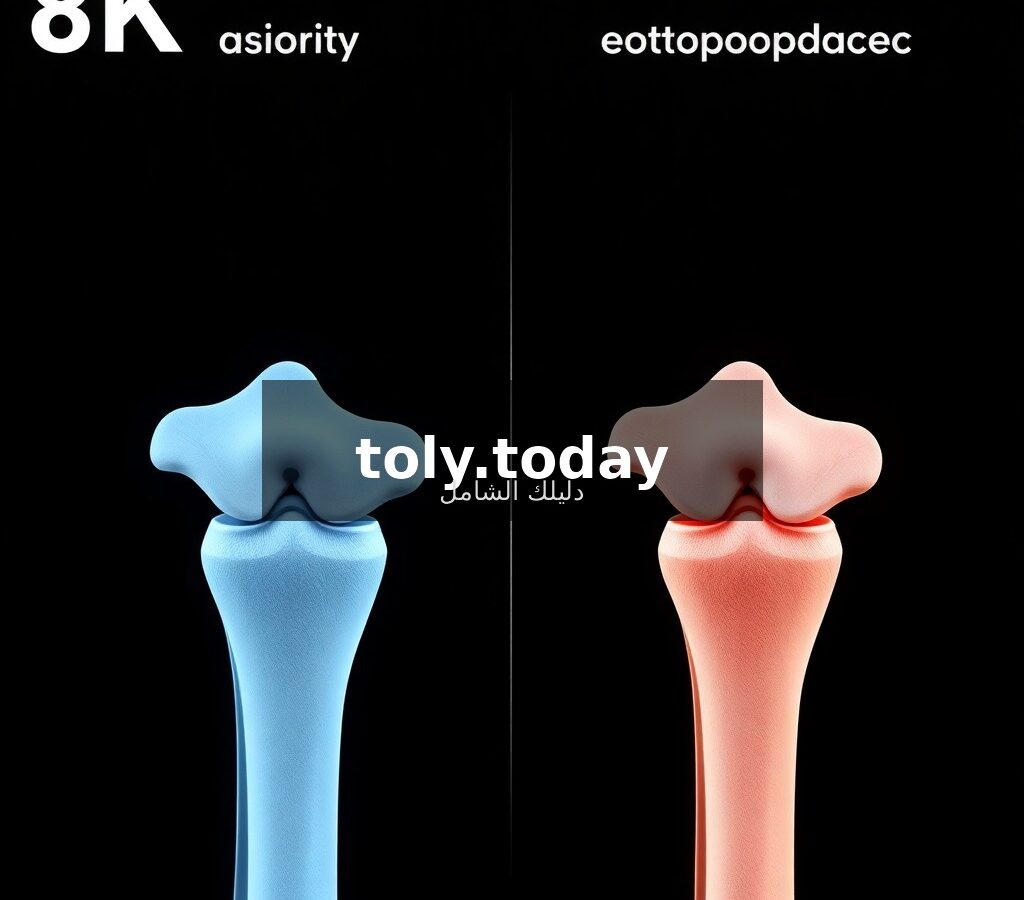
Osteoporosis is a condition in which rapid loss of bone mass occurs, making bones porous and brittle like a sponge. Imagine your bones as a building — when they lose density, the building becomes prone to collapse under the slightest pressure. According to the Saudi Ministry of Health, one in three women and one in five men over the age of 50 suffer from fractures related to osteoporosis.
Causes and Risk Factors
- Aging: Bone mass loss increases with age, especially after the age of 40.
- Low estrogen levels: After menopause, women lose estrogen, which protects bones, accelerating density loss.
- Genetic factors: A family history of osteoporosis increases the likelihood of developing the condition.
- Calcium and vitamin D deficiency: Poor nutrition and lack of sun exposure weaken bones.
- Physical inactivity: Lack of weight-bearing exercises reduces bone strength.
- Smoking and carbonated drinks: These reduce calcium absorption and accelerate bone loss.
- Certain medications: Long-term use of corticosteroids increases the risk of osteoporosis.
Symptoms — Why is it Called the Silent Disease?
The greatest danger of osteoporosis is the lack of obvious symptoms in the early stages. The disease is often detected only after the first fracture occurs. However, as the condition progresses, the following warning signs may appear:
- Chronic back pain caused by fractures in the spinal vertebrae
- Stooped posture (hunched back)
- Gradual height loss
- Increased susceptibility to bone fractures from minor injuries
Practical Tips — 5 Ways to Protect Your Bones Today
- Boost calcium in your diet: Consume milk, low-fat yogurt, cheese, sardines, broccoli, and almonds. The recommended daily intake is 1000–1200 mg for adults.
- Don’t forget vitamin D: Get 15–20 minutes of sunlight daily (after midday). Eat fatty fish like salmon and tuna, or consult your doctor about vitamin D supplements.
- Engage in weight-bearing exercises: Brisk walking, stair climbing, resistance training, and dancing — all stimulate bone formation and increase density.
- Reduce salt and caffeine: Excess salt increases calcium loss through urine. Avoid carbonated drinks and replace them with milk or water.
- Undergo bone density screening: A DEXA scan is recommended for women over 65 and men over 70, or earlier if risk factors are present.
Myth vs. Fact
Myth: “Osteoporosis only affects women.”
Fact: Osteoporosis also affects men! One in five men over 50 is at risk of a fracture.
Flying with fragility.
Myth: “Drinking milk alone is enough to prevent it.”
Fact: Calcium is important but not sufficient. You also need vitamin D, magnesium, vitamin K2, protein, and regular exercise.
Myth: “Osteoporosis cannot be treated.”
Fact: Very effective treatments are available that slow bone loss and increase density. The earlier the diagnosis, the better the treatment outcomes.
Frequently Asked Questions (FAQ)
Q: At what age should I start worrying about osteoporosis?
A: Prevention should start early! Building strong bones begins in childhood and adolescence. However, medical concern typically starts after age 50 for women and 65 for men, especially with risk factors like family history or chronic calcium deficiency.
Q: Are calcium supplements safe and effective?
A: Yes, but it’s best to get calcium from food first. If you’re not getting enough from your diet, supplements can help but under medical supervision. Overdosing may cause kidney stones. The recommended dose does not exceed 500 mg per single dose.
Q: Can I exercise if I have osteoporosis?
A: Yes, in fact, it’s necessary! However, avoid high-impact exercises or those involving sharp bending of the spine. Light strengthening exercises, walking, tai chi, and swimming are safe and beneficial. Consult your doctor or physical therapist to create a suitable program for you.
Summary
Osteoporosis is not an inevitable fate with aging. By adopting a healthy lifestyle — rich in calcium and vitamin D, with regular exercise — you can build strong bones that protect you for years to come. Don’t wait for symptoms to appear; start today by getting a bone density test and take proactive steps to protect your future health.
Sources: Saudi Ministry of Health, Mayo Clinic, WebMD, National Osteoporosis Foundation.