June 7, 1494, was no ordinary day in world history. In the Spanish town of Tordesillas, envoys of the two Catholic kingdoms—Spain and Portugal—met to end a dispute that threatened to destabilize Europe after Columbus’s voyage to the “New World.” What began as a deal between two nations ended up dividing the entire globe.
Historical Context: From Dispute to Agreement
After Columbus’s discovery of America in 1492, competition between Spain and Portugal over control of distant trade routes flared. To avoid open war, Pope Alexander VI issued a papal bull in 1493, drawing a line to divide their spheres of influence. Portugal rejected this line and demanded direct negotiations.
Terms of the Treaty: Thirty-Five Degrees West
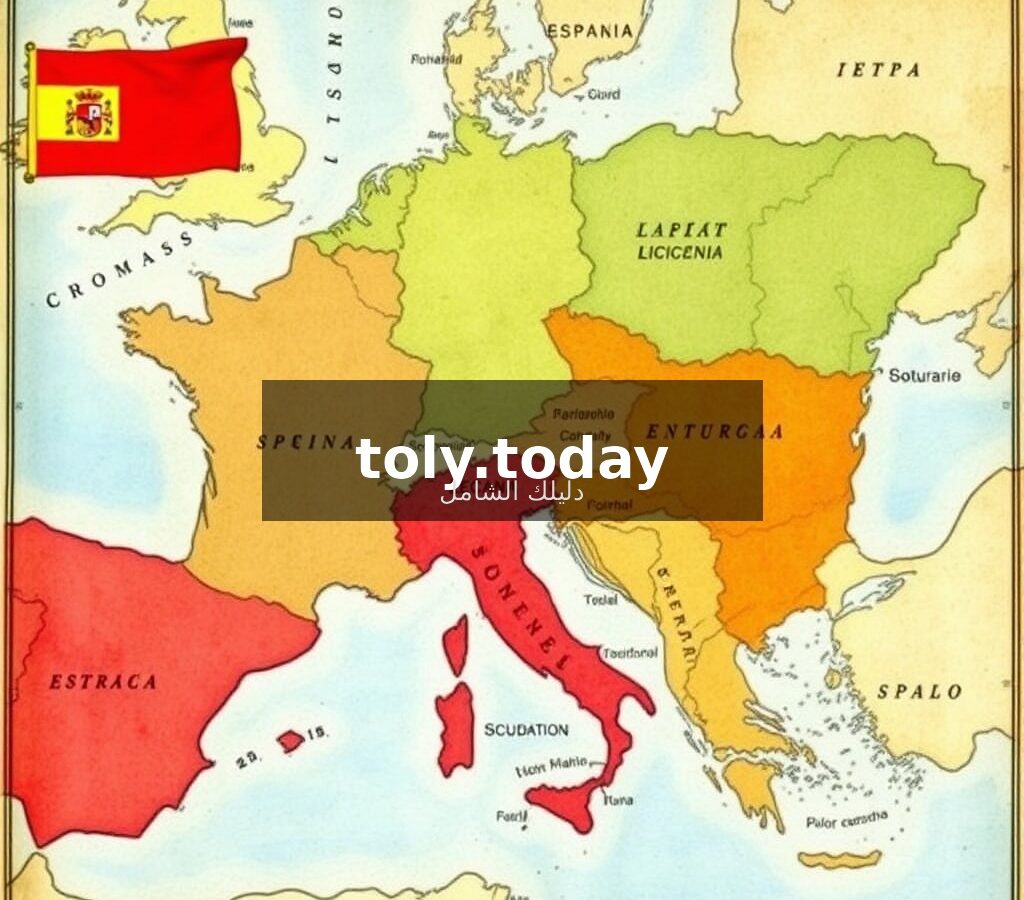
On June 7, 1494, the treaty was signed in Tordesillas. It established a line 370 leagues west of the Cape Verde Islands. All lands west of this line were assigned to Spain, and those to the east to Portugal. Asia and Africa were not in dispute, but the dividing line later gave Portugal a head start in exploring and establishing colonies in Brazil—a land east of the line.
Impact and Consequences
Despite its importance, the treaty was often ignored. Other powers like France, England, and Italy disregarded it, and the indigenous populations were never consulted. Yet the line shaped the fate of two continents for centuries, and its historical and cultural effects remain today.
In the 21st century, the idea of “dividing the world between two powers” remains a recurring nightmare. But history should be understood, not repeated.