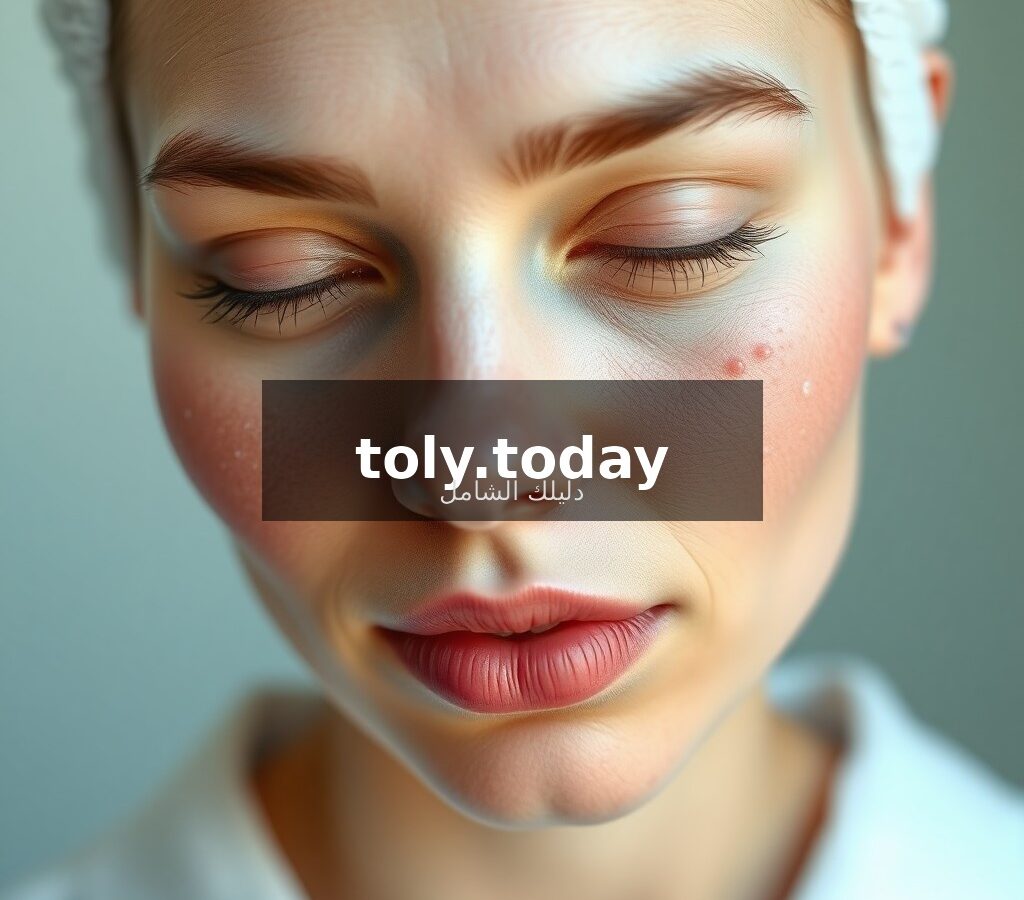
Do you suffer from the appearance of annoying pimples on your face or back? You are not alone — acne is the most common skin problem in the world, affecting about 85% of people between the ages of 12 and 24. But the good news: there are very effective solutions to control and treat it. In this comprehensive guide, we provide you with everything you need to know about acne, from causes to treatment, based on information from Mayo Clinic, WebMD, and the Saudi Ministry of Health.
What is acne?
Acne is a skin condition that occurs when the pores of the skin become clogged with excess oil (sebum), dead skin cells, and bacteria. It usually appears on the face, forehead, chest, shoulders, and back, because these areas contain the largest number of sebaceous glands.
The real causes behind the appearance of acne
Contrary to popular belief, acne is not caused by poor hygiene or eating chocolate. The main causes include:
- Hormonal changes: Increased androgen hormone during adolescence, menstruation, and pregnancy stimulates the sebaceous glands to produce more oil.
- Excess oil production: Some people produce more oil than normal due to genetics.
- Clogged pores: The accumulation of dead skin cells with oil clogs the pores.
- Bacteria: The bacterium Propionibacterium acnes grows in clogged pores and causes inflammation.
- Genetic factors: If your parents suffer from acne, you are more likely to develop it.
- Some medications: Corticosteroids, epilepsy medications, and some birth control pills may cause pimples to appear.
Types of acne — how to differentiate between them?
Acne is not one type. Knowing the type helps in choosing the appropriate treatment:
- Blackheads: Open pores filled with oil and oxidation — dark in color and not dirt.
- Whiteheads: Closed pores filled with oil — appear as small white dots.
- Papules: Small red inflamed bumps — painful to the touch.
- Pustules: Papules that contain pus at their head — known as pimples with pus.
- Nodules: Large hard lumps under the skin — painful and require medical treatment.
- Cysts: Deep cysts filled with pus — the most painful and can cause permanent scars.
5 practical tips for dealing with acne
- Wash your face twice a day: Use a gentle, alcohol-free cleanser. Over-washing removes natural oils and makes the problem worse.
- Never squeeze pimples: Squeezing spreads bacteria, increases inflammation, and leaves permanent scars. Let it disappear on its own or consult a doctor.
- Choose “Non-comedogenic” products: Products that do not clog pores — whether moisturizer, sunscreen, or makeup.
- Keep what touches your face clean: Change your pillowcase weekly, clean your mobile phone daily, and avoid touching your face with your hands.
- Consult a dermatologist if the acne is severe: Home remedies help mild cases, but moderate to severe cases require medical treatment.
The difference between myth and fact
| Myth | Fact |
|---|---|
| Chocolate and fried foods cause acne | There is no strong evidence linking food to acne (except for some people who have individual sensitivity) |
| Washing your face frequently prevents pimples | Over-washing dries out the skin and stimulates more oil production — twice a day is enough |
| Toothpaste treats pimples | Toothpaste irritates the skin and increases inflammation — use treatments specifically designed for acne |
| Sun exposure cleans the skin and dries out pimples | Sun rays increase inflammation and may cause dark spots after pimples heal |
| Acne is only for teenagers | It affects 15% of adults over 25 years old, especially women in their 30s and 40s |
Available Treatments (from Simple to Medical)
Over-the-Counter Home Treatments
- Benzoyl Peroxide: kills bacteria and helps unclog pores — available in pharmacies at concentrations of 2.5% to 10%
- Salicylic Acid: helps exfoliate dead skin and clean pores — found in cleansers and toners
- Adapalene (Topical Retinoid): regulates skin cell renewal and prevents clogged pores — available without prescription at 0.1% concentration
Prescription Medical Treatments
- Strong Retinoids (Tretinoin, Isotretinoin): for moderate to severe cases — Isotretinoin is the strongest but has side effects
- Antibiotics: to reduce bacteria and inflammation — topical or oral for limited courses
- Birth Control Pills: for women — help regulate hormones associated with acne
- Combined Topical Treatments: such as Clindamycin + Benzoyl Peroxide or Adapalene + Benzoyl Peroxide
- Chemical Peels and Laser: dermatological clinic procedures for resistant cases
Frequently Asked Questions (FAQ)
Q: How long does it take for acne treatment to show results?
A: Most treatments need 4-8 weeks to start showing results. Patience is key — don’t change treatments every week. If you don’t see improvement after 3 months, consult a dermatologist.
Q: Does diet really affect acne?
A: Recent studies suggest that foods with a high glycemic index (like white bread and sweets) may worsen acne in some people. Dairy products may also affect some individuals. Solution: Try reducing these foods for a month and notice the difference.
Q: How do I get rid of acne scars?
A: There are several options: chemical peels, microneedling, fractional laser, and filler injections for deep scars. Consult a dermatologist to determine the best option based on your scar type.
Q: Is sunscreen necessary for someone with oily skin?
A: Yes, it’s very necessary! Some acne treatments increase sun sensitivity. Use a lightweight (oil-free) sunscreen with SPF 30+ daily.
Sources: Mayo Clinic — Acne, WebMD — Acne Guide, Saudi Ministry of Health — Skin Care Guide, $15, 25, https://www.mayoclinic.org/
Disclaimer: This article is for educational purposes and does not replace a consultation with a specialist doctor. Every skin condition is unique and requires a personal medical assessment.