Why Traveling Is Not Just a Luxury?
In an era of daily pressures and increasing demands, traveling has become a psychological necessity before it is tourism or entertainment. Many believe that traveling is expensive or difficult to plan, but scientific studies confirm that its benefits to mental health outweigh any cost or effort. In this article, we reveal to you how a simple trip can change your life for the better.
How Does Traveling Affect Your Brain and Psychology?
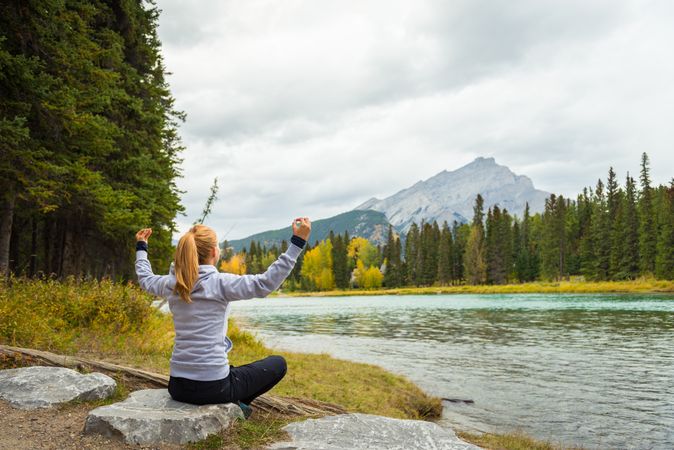
When you travel, your mind breaks free from the repetitive patterns of daily routine. This change stimulates the release of dopamine, the hormone responsible for happiness and pleasure. A study from Cornell University found that anticipating and preparing for a trip increases happiness more than buying any physical product!
- Stress Reduction: Changing your daily environment lowers the hormone cortisol (the stress hormone), even if the trip is short.
- Renewed Energy: Stepping away from work pressures and responsibilities gives your mind a chance to truly rest.
- Boosting Creativity: Exposure to new cultures, places, and foods expands your horizons and sparks your creativity.
- Enhancing Self-Confidence: Planning the trip and making decisions while traveling strengthens your personality and self-reliance.
- Improving Social Relationships: Whether you travel with family or friends, travel creates shared memories that strengthen your bonds.
Practical Benefits of Regular Travel
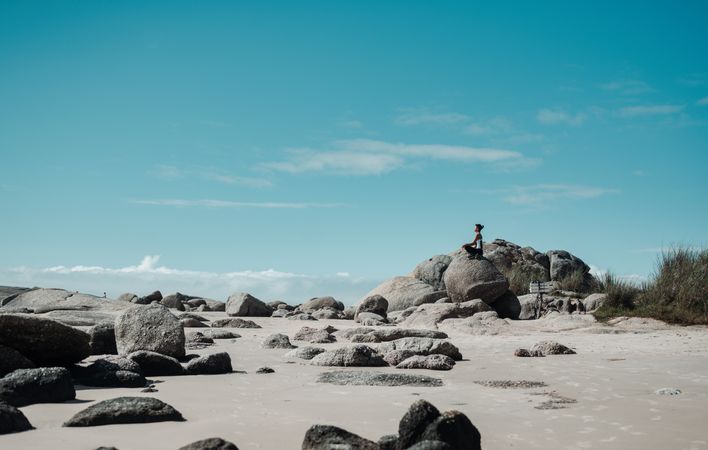
Traveling is not a luxury; it is an investment in your mental health. Here are some benefits you may not have known:
- Better Sleep: Stepping away from screens and daily routines helps improve sleep quality.
- New Perspectives: Seeing how others live makes you appreciate what you have and view your problems with greater wisdom.
- Physical Activity: Traveling means walking, moving, and exploring, which is also beneficial for your physical health.
- Lasting Memories: The joy you get from traveling lasts for months or even years after returning, unlike buying something material whose joy fades quickly.
Important Tips Before Your Next Trip
- Start Small: Don’t wait for a big budget or perfect timing. A weekend trip to a nearby city is enough to recharge your energy.
- Plan Smartly: Use hotel and flight booking apps to get the best deals. Early planning saves you money and effort.
- Don’t Over-Schedule Yourself: Leave room for spontaneity. The best moments of travel are often unexpected.
- Travel Alone Once: Solo travel is a great experience where you get to know yourself better and discover your capabilities.
- Document Your Trip: Photography and writing help preserve memories and share them with your loved ones.
- Choose a Destination That Fits Your Budget:

Frequently Asked Questions About Travel and Mental Health
Who needs to travel to improve their mental health?
Anyone experiencing daily stress, feeling routine and boredom, or facing pressures at work or school. Travel is beneficial for everyone: individuals and families, young and old, employees and students.
Where can I travel on a limited budget?
There are many budget-friendly destinations such as nearby cities in neighboring countries, national parks, or less crowded coastal areas. You can also look for low-cost flight deals.
How much does a short trip for mental health cost?
The cost varies depending on the destination and duration. A short domestic weekend trip may cost between 500 to 1500 Saudi Riyals per person, while a short international trip may start from 2000 Riyals. The important thing is to choose what suits your budget.
How long should the ideal trip be to renew energy?
Even a short trip of 3 to 4 days is enough to renew your energy and improve your mental state. Research indicates that the third day of travel is the peak of relaxation and mental benefit.
How do I plan a successful trip?
First, determine your budget, then research destinations that match your interests. Use hotel and flight booking sites to compare prices. Book in advance to get better deals, and don’t forget travel health insurance for peace of mind.