Introduction
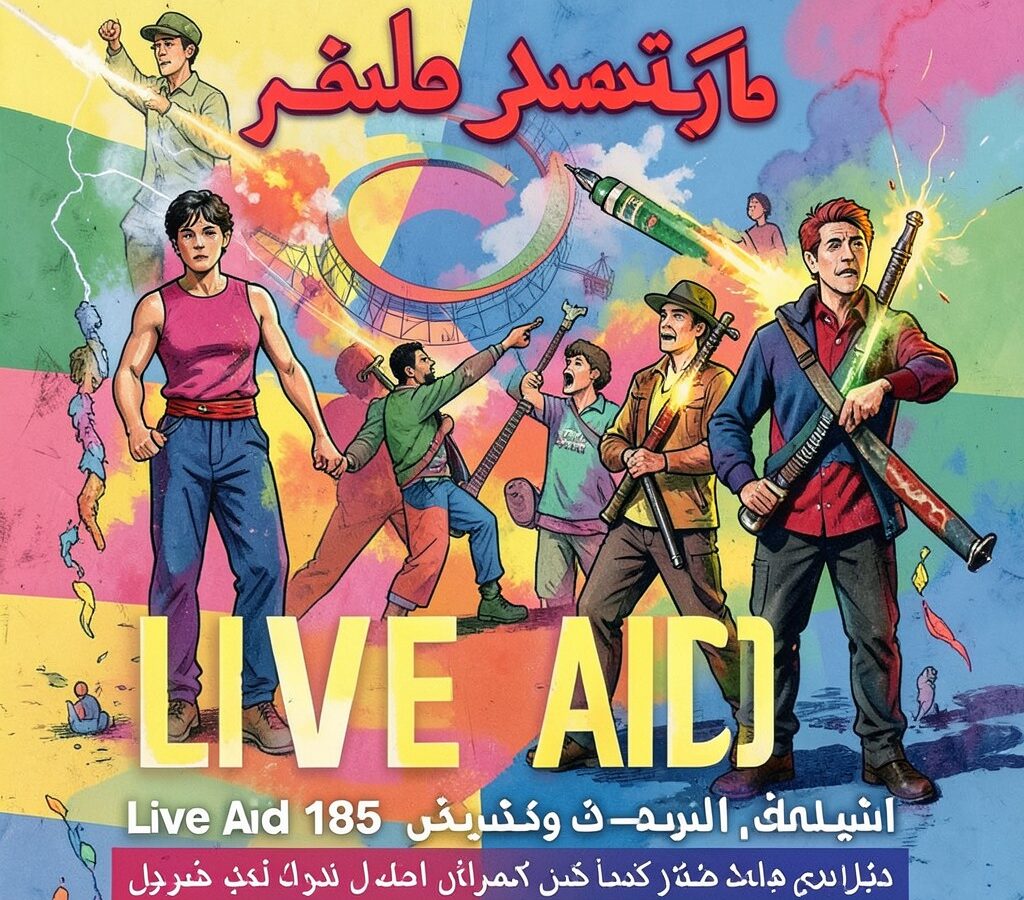
On July 13, 1985, the world came together to the rhythm of one song. It wasn’t just a regular concert—it was an extraordinary event that united global music icons in London and Philadelphia simultaneously, with one goal: to save millions of starving people in Ethiopia. This was Live Aid, the largest charity concert in history.
The Story from the Beginning
Between 1983 and 1985, a deadly famine struck Ethiopia. Hundreds of thousands died due to drought and civil war. The images were shocking: emaciated children, hollow eyes, entire villages disappearing. But the music world didn’t stand idly by.
The Irish singer Bob Geldof and Midge Ure were behind the initiative. Months earlier, they released the song “Do They Know It’s Christmas?” which brought together British stars in one studio and raised millions of pounds. But Geldof wanted bigger: a global simultaneous concert reaching every corner of the planet.
July 13, 1985 — The Historic Day
On that Saturday morning, concerts kicked off at Wembley Stadium in London (72,000 attendees) and John F. Kennedy Stadium in Philadelphia (100,000 attendees). But it didn’t stop there—parallel concerts launched in Moscow, Sydney, Tokyo, and Vienna.
Around 1.9 billion people watched the event on TV across 150 countries—nearly 40% of the world’s population at the time. It was the largest live television broadcast in history.
Unforgettable Stars
Giants of music lined up one after another:
- Queen — The band’s performance of “Bohemian Rhapsody” became iconic, often described as the greatest live show in history, thanks to Freddie Mercury, who commanded 72,000 people as if they were in his living room.
- Paul McCartney, Elton John, David Bowie, U2, Led Zeppelin, The Who, Eric Clapton and others. All performed for free.
- In Philadelphia, legends like Madonna (early in her career), Phil Collins—who became the most traveled performer—sang in London, then boarded a Concorde and flew to Philadelphia to perform on the same day!
The Result: Millions of Lives
By the end of the day, the event raised over £127 million for famine victims. But more importantly—Live Aid changed how the world viewed humanitarian crises. A relief worker said: “Humanitarian concern is now at the heart of Western foreign policy.”
Geldof reflected on the event: “We took a cause that wasn’t on the political table and, through a universal language—not English, but rock and roll—we confronted the moral absurdity of people dying of starvation in a world overflowing with abundance.”
A Legacy That Endures
Forty years later, Live Aid still reminds us that music can unite the world. The event inspired dozens of charity concerts that followed, like Live 8 in 2005, and proved that art isn’t just entertainment—it’s a humanitarian message that transcends borders.
On that day, the world didn’t just sing. It saved lives.
❓ Frequently Asked Questions
Q: How much did Live Aid raise?
A: Over £127 million was directed to relief organizations in Ethiopia.
Q: Who organized the concert?
A: Irish singer Bob Geldof and musician Midge Ure, following the success of “Do They Know It’s Christmas?”.
Q: How many people attended Live Aid in person?
A: About 172,000 people in London and Philadelphia, plus tens of thousands at parallel concerts worldwide.
Q: What was the most famous performance at Live Aid?
A: Queen’s performance led by Freddie Mercury, widely considered one of the greatest live shows in history.
Q: Were there criticisms of Live Aid?
A: Yes, some criticism targeted the use and distribution of funds through Ethiopia’s government at the time, but the consensus is that the event was a turning point in global humanitarian action.