In recent weeks, South Korean company SK Hynix has been making global headlines after being listed on Wall Street with a value exceeding one trillion dollars, breaking the record for the largest listing of a foreign company in history. But what does this news have to do with your mobile phone or the computer you have?
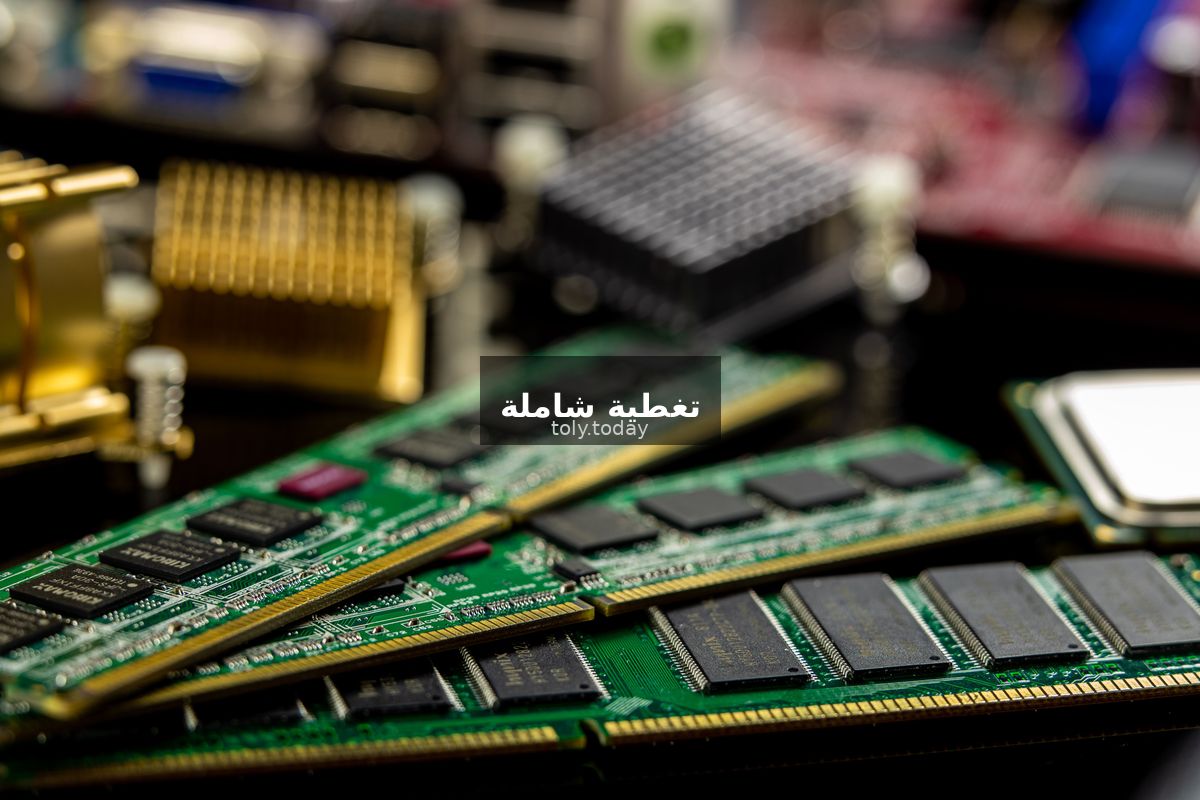
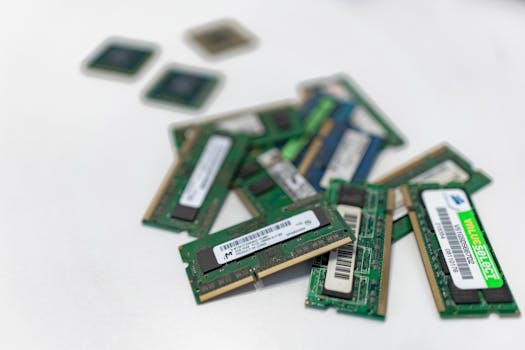
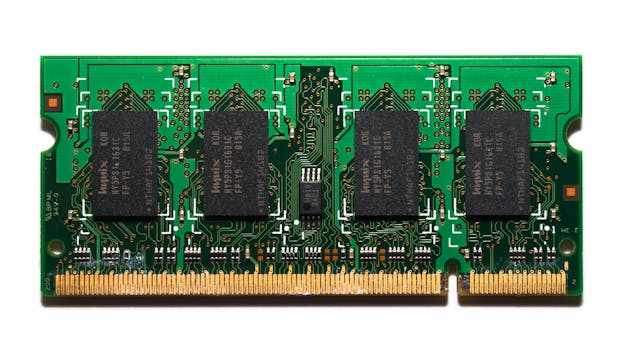
The news is simple: the world is experiencing a crisis in memory chips (RAM and HBM), and this crisis has significantly raised the prices of electronic devices in Saudi Arabia and around the world.
What’s happening in the chip market?
SK Hynix, Samsung, and Micron — these three companies control more than 89% of the global memory chip market. Behind the huge demand for these chips:
- Artificial intelligence: companies like OpenAI, Google, and Microsoft need massive amounts of high-speed memory (HBM) to run artificial intelligence servers. Each AI server needs 6 times more memory chips than regular servers.
- Data centers: the global expansion of data centers — and Saudi Arabia is one of the active countries in this field — is putting pressure on production.
- Personal devices: mobile phones, laptops, and gaming devices are all competing for the same chips.
SK Hynix and the trillion dollars — how did it get here?
SK Hynix is the main supplier of memory chips to Nvidia, which manufactures the most powerful AI processors in the world (such as Blackwell Ultra). With the increase in AI demand from the beginning of 2026, SK Hynix’s profits have skyrocketed.
In May 2026, its market value exceeded one trillion dollars, and in July, it was listed on the NASDAQ and raised $26.5 billion — the largest listing of a foreign company in history, surpassing even Alibaba.
The company announced that it will double its production capacity within 5 years, but experts expect the shortage to continue until 2030.
How has Saudi Arabia been affected by the chip crisis?
Saudi Arabia is not isolated from this wave. The impact of the crisis has reached us in three main ways:
- Price increase of devices: since the beginning of 2026, the prices of laptops and mobile phones in Saudi Arabia have risen between 10% and 25% due to the shortage of memory chips. Apple and other companies have been forced to raise prices.
- Technology projects: Saudi Arabia is investing billions in artificial intelligence and data centers. The shortage of chips means delays and higher costs for these projects.
- Launch delays: some new devices are facing delays in reaching the Saudi market because companies are giving priority to larger markets.
Key points about the memory crisis
- 🔴 Demand far exceeds supply: The top three chip manufacturers (SK Hynix, Samsung, Micron) cannot keep up with the surging demand from AI companies.
- 🟡 RAM prices have surged over 40% in 2026 compared to last year.
- 🟢 Saudi Arabia is building: The Kingdom has announced major projects in data centers and artificial intelligence as part of Vision 2030, and these projects require massive quantities of chips.
- 🔵 The future of the crisis: Experts expect the shortage to continue until at least 2028-2030 unless new factories are built.
Are there opportunities for Saudi Arabia in this field?
Saudi Arabia is taking action. The Public Investment Fund (PIF) is investing in semiconductor companies, and the Kingdom is seeking to build a chip manufacturing sector as part of diversifying the economy. However, the path to chip manufacturing is long and costly—it requires expertise, years, and complex supply chains. The hope is that Saudi Arabia can leverage the global crisis to accelerate its steps in this field.
❓ FAQs
🛒 Who needs HBM memory chips?
Major tech companies like Nvidia, Google, and Microsoft use them in AI servers. They are also used in smartphones, laptops, and gaming devices.
📍 Where is the biggest chip shortage?
In South Korea (home to SK Hynix and Samsung), Taiwan, and globally in data centers—Saudi Arabia has been affected by rising prices and delays.
💰 What are the current memory chip prices?
DRAM prices have risen by more than 40% in 2026. For example, a RAM upgrade for a computer that cost 300 SAR last year may now reach 500+ SAR.
⏳ How long will the chip crisis last?
Forecasts suggest the shortage will continue until at least 2028, and SK Hynix’s CEO has stated it could extend to 2030 as AI demand continues to grow.
🛠️ How can I protect myself from rising device prices?
Tip: If you’re planning to buy a new laptop or smartphone, don’t delay—prices are expected to rise further. Look for discount deals and consider refurbished devices as a more affordable option.