
In an era of speed and increasing responsibilities, many people suffer from daily pressures that affect their mental and physical health. Whether you’re a student under academic pressure, an employee facing work demands, or a parent bearing great responsibilities—you’re not alone. In this practical guide, we offer you effective, tried-and-tested strategies for dealing with daily stress and restoring your balance.
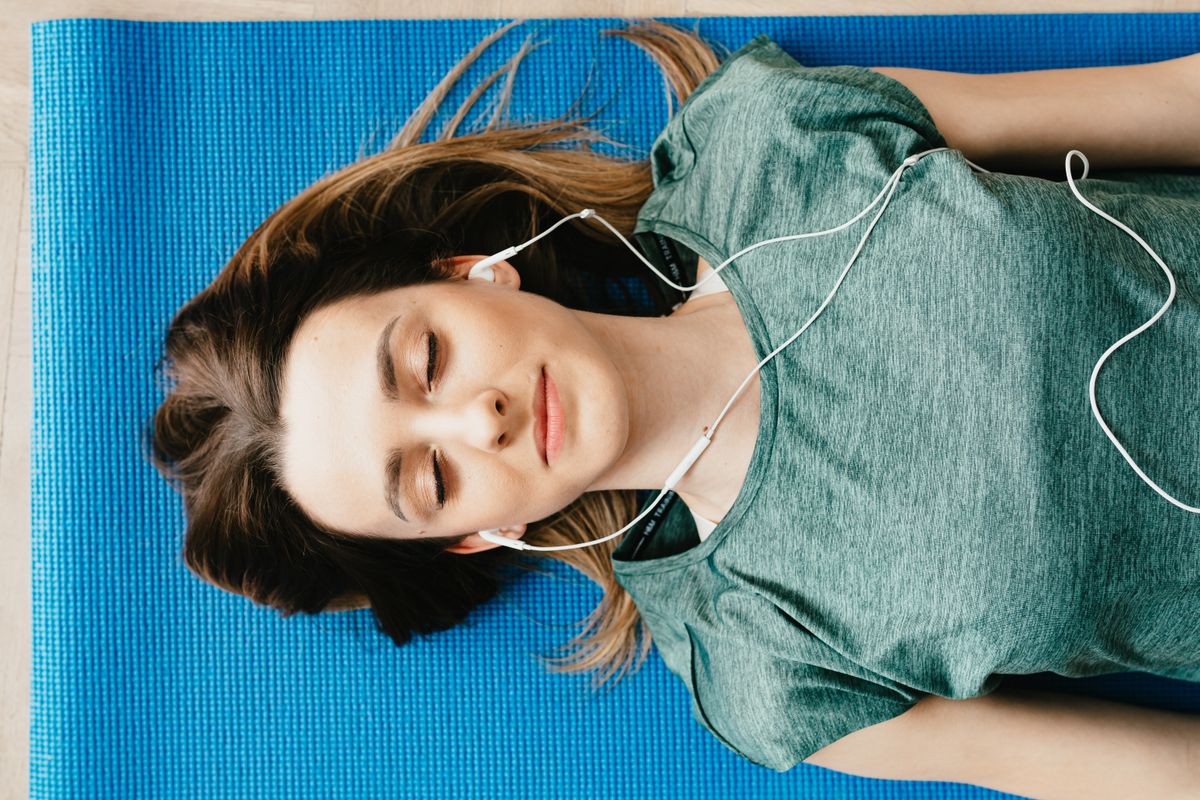
What Is Daily Stress?
Daily stress is the body and mind’s natural response to the challenges and demands we face in life. The body releases hormones like cortisol and adrenaline as a natural reaction to tension. But when this stress persists for long periods, it can lead to health issues such as chronic headaches, sleep disorders, weakened immunity, and difficulty concentrating.
According to the World Health Organization, chronic stress is classified as one of the biggest health challenges of the 21st century. Therefore, learning how to manage stress isn’t a luxury—it’s a necessity for maintaining your health and quality of life.
Top 5 Effective Strategies for Dealing with Stress
1. Deep Breathing Exercises
A simple yet powerful technique. Try the “4-7-8” rule: inhale for 4 seconds, hold your breath for 7 seconds, then exhale slowly for 8 seconds. Repeating this exercise 3-5 times immediately calms the nervous system.
2. Prioritize Tasks
Write down your daily tasks and organize them by importance. Use the “Most Important First” rule—focus on just 3 key tasks per day. Delegating unnecessary tasks significantly reduces pressure.
3. Regular Physical Activity
Walking for 20-30 minutes daily burns stress hormones and releases endorphins (the happiness hormone). You don’t need a gym—just walking around the neighborhood or climbing stairs is enough to make a difference.
4. Reduce Screen Time
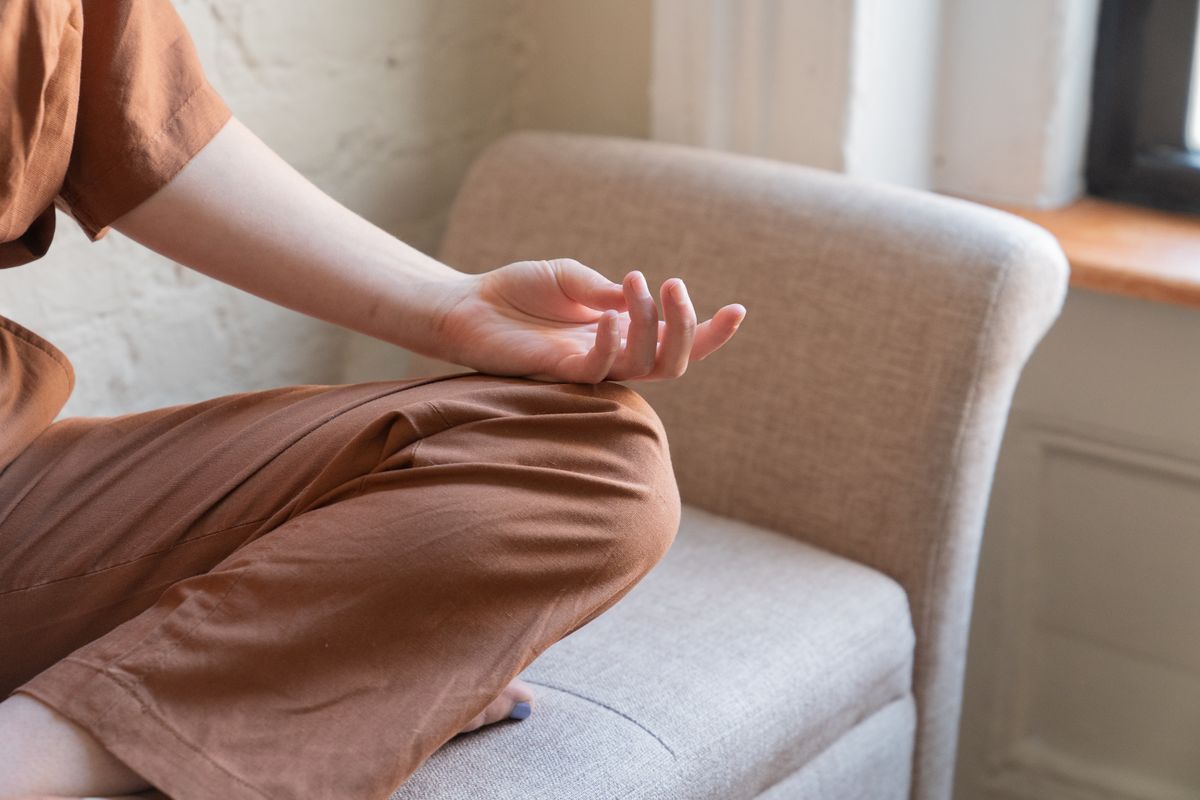
Dedicate one hour daily to “screen-free” time—especially before bed—to improve sleep quality and reduce stress from social comparison and news pressure. Try reading a book instead of scrolling.
5. Supportive Social Communication
Talking to someone you trust—a friend, family member, or even a coworker—greatly eases psychological pressure. Emotional sharing reduces the impact of difficult situations.
Benefits of Stress Management on Your Life
- Better Health: Lower blood pressure, improved immunity, deeper sleep.
- Higher Productivity: Better focus and clearer decision-making.
- Stronger Relationships: Better control over reactions and kinder interactions with others.
- Greater Happiness: Feeling in control of your life increases overall satisfaction.
Important Additional Tips
- Set aside 10 minutes each morning for yourself before checking your phone—meditate, write down your feelings, or enjoy your coffee in peace.
- Learn to say “no” to extra tasks when you’re exhausted—your health comes first.
- Avoid negative news sources at least two hours before bed.
- Use the “Pomodoro Technique”: 25 minutes of focused work + 5 minutes of rest.
- Reward yourself after completing difficult tasks—even with a cup of coffee or an episode of your favorite show.
Everyone! Students, employees, homemakers, entrepreneurs — anyone facing stress in their daily life. If you feel constant tension, difficulty sleeping, or irritability, you definitely need these skills. Where can I learn stress management techniques?
You can start from home using apps like Calm and Headspace, or through YouTube channels specializing in relaxation. Some health centers in Saudi Arabia offer free workshops on mental health — follow the Saudi Ministry of Health accounts for updates.
How long should I practice relaxation techniques daily?You don’t need much time. Even 10 minutes daily of deep breathing or quiet walking makes a noticeable difference. With regular practice, you’ll start seeing improvements in your mood and sleep within two weeks.
Do I need to pay to learn stress management?No — most effective techniques are completely free. Apps like Headspace have a free version, and YouTube is full of free guided meditation videos. You can start at no cost.
How can I ensure these methods are effective?Experience is the best proof. Choose one method — for example, deep breathing or daily walking — and stick with it for two weeks. Record your feelings daily and notice the difference. Many scientific studies confirm the effectiveness of these techniques in reducing cortisol and improving mood.