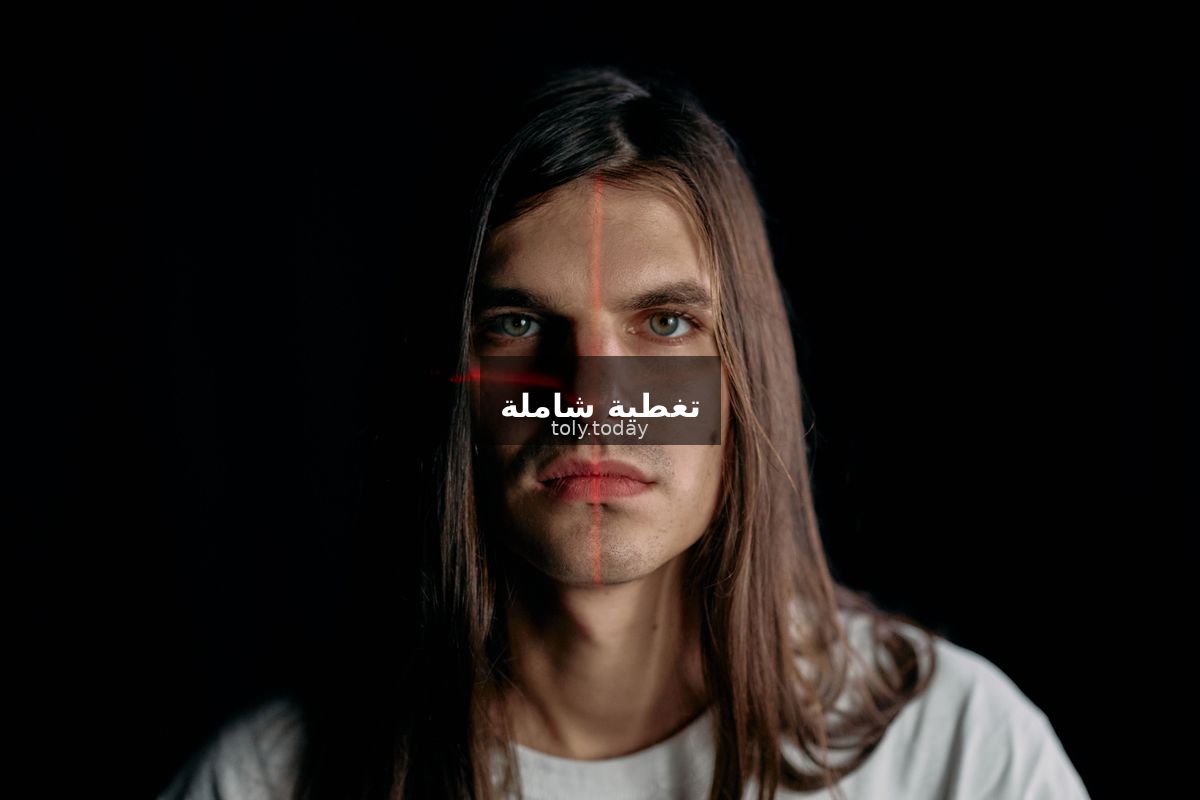
In a world where dependence on artificial intelligence is increasing, it has become very difficult to distinguish between real and AI-generated images. Recently, the BBC published a report on a scientific study from the University of Aberdeen and the Australian National University that proves that most people cannot differentiate between a real face and a fake face generated by artificial intelligence. The good news? You can learn to do it!
What are “Deepfake” images and how dangerous are they?
Deepfake, or deep forgery, is a technology that uses artificial intelligence to create images and videos that look completely real of people who were not actually there. In the past, it was easy to detect them – mistakes like six fingers or unnatural eyes. But today, artificial intelligence has become so advanced that even experts find it difficult to distinguish.
A report from Deloitte Global predicts that losses from Deepfake fraud in the US alone could reach $40 billion next year, compared to $12 billion in 2023. In a famous case, an employee in Hong Kong transferred $25 million to scammers after a video call in which his “real” boss was just a Deepfake!
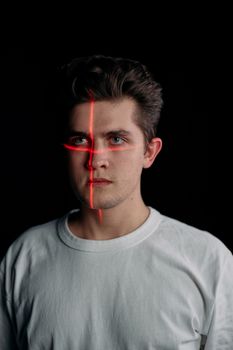
How to detect fake images? 6 main signs
The new study from the University of Aberdeen revealed 6 characteristics that you can observe to distinguish fake images:
- Exaggerated symmetry – Real faces have natural flaws, a slightly drooping eyelid or a crooked smile. If the face is “too perfect”, it’s probably fake.
- Proportion – AI-generated images avoid large noses or protruding ears, as they try to produce “average” faces.
- Attractiveness – Fake faces are often more beautiful than natural, as artificial intelligence produces an “ideal” face.
- Distinguishability – Fake faces look similar and ordinary, while real faces have something that distinguishes them.
- Expression – Fake faces have less emotional expression, lacking spontaneity in emotions.
- Memorability – Fake faces are harder to remember, as they are “average” and not distinctive.
How does this apply in Saudi Arabia?
Saudi Arabia is one of the countries that invests the most in artificial intelligence, and with the huge expansion in digital technologies, the risk of deep forgery is increasing. The National Cybersecurity Authority (NCA) has launched several warnings about the dangers of Deepfake, especially with its spread in:
- Financial fraud – Using fake images and voices for financial scams
- الأخبار المزيفة – تداول صور ومقاطع غير حقيقية على وسائل التواصل.
- انتحال الشخصيات – إنشاء حسابات وهمية لأشخاص حقيقيين للابتزاز أو النصب.
- الإعلانات الوهمية – استخدام وجوه مشاهير مزيفة للترويج لمنتجات غير حقيقية.
الخبر المطمئن: كما كشفت الدراسة، يمكن تدريب العين البشرية على اكتشاف الفرق. المشاركون في الدراسة ارتفعت دقتهم من 40% إلى 80% بعد ساعة تدريب فقط. وفريق من جامعة أبردين وجدوا أن بعض الأشخاص وصلوا إلى دقة 100% تقريباً!
نصائح لحماية نفسك من Deepfake
- لا تثق بكل ما ترى – خصوصاً الصور المثالية أو الغريبة على وسائل التواصل.
- ابحث عن المصدر – الصور والفيديوهات من مصادر غير موثوقة تحتاج تدقيقاً إضافياً.
- استخدم أدوات الكشف – مواقع مثل Deepware Scanner وSensity.ai تساعد في تحليل الصور.
- تحقق من المكالمات المهمة – إذا طلب منك أحد تحويل مبلغ كبير، اتصل به على رقمه الشخصي للتحقق.
- ثق بحسك – الدراسة أثبتت أن التدريب المستمر يحسن قدرتك على اكتشاف المزيف.
❓ الأسئلة الشائعة
من يحتاج إلى معرفة اكتشاف الـ Deepfake؟
كل من يستخدم الإنترنت! خاصة الموظفين في القطاع المالي، الصحفيين، المسؤولين الحكوميين، وأي شخص يتعامل مع تحويلات مالية أو معلومات حساسة.
أين تنتشر صور الـ Deepfake أكثر؟
في وسائل التواصل الاجتماعي (تويتر، فيسبوك، إنستغرام)، الإعلانات الوهمية، والتطبيقات المجهولة. كما تستخدم في الاحتيال عبر البريد الإلكتروني والمكالمات المرئية.
كم تكلفة أدوات كشف التزييف العميق؟
في الغالب مجانية للمستخدم العادي! مواقع مثل Deepware Scanner وSensity.ai تقدم خدمات أساسية مجاناً. الأدوات المتقدمة للمؤسسات تبدأ من 500 ريال شهرياً.
كم تستغرق عملية تعلم اكتشاف الـ Deepfake؟
حسب الدراسة، ساعة تدريب واحدة ترفع دقتك من 40% إلى 80%. وكلما تدربت أكثر، أصبحت أفضل. يمكنك البدء اليوم باختبار بسيط من بي بي سي.
كيف أبدأ في حماية نفسي من Deepfake؟
ابدأ بتعلم العلامات الست المذكورة أعلاه، وجرب اختبار بي بي سي للصور المزيفة، واستخدم أدوات الفحص المجانية، وثق دائماً في التحقق المباشر قبل أي عملية مالية مهمة.
الخلاصة
التزييف العميق (Deepfake) صار تحدياً حقيقياً في عصر الذكاء الاصطناعي، لكنه ليس مستحيل المواجهة. بالتدريب والوعي، يمكنك حماية نفسك وعائلتك من الاحتيال البصري. تذكر: العين المدربة هي أفضل أداة كشف!
المصادر: بي بي سي – تقرير عن دراسة جامعة أبردين وأستراليا الوطنية (يوليو 2026) | تقرير ديلويت لخس
Deepfake Threat | Saudi National Cybersecurity Authority