

You might try to start a new habit—like daily reading or morning exercise—only to give up after a few days. This isn’t a sign of weakness; it’s because the method you’re using is flawed. Building habits isn’t just about willpower—it’s a science you can learn and apply.
In this practical guide, we’ll walk you through how to build a new habit step by step, drawing on the latest research in behavioral science, particularly James Clear’s “Atomic Habits” method, which has transformed millions of lives.
The Science Behind Building Habits
Research shows that about 40% of our daily actions are habits performed automatically without conscious thought (Duke University). Every habit consists of four stages: Cue → Craving → Response → Reward. To understand how to build a new habit, you need to apply these four laws:
1. Make it obvious: Instead of saying, “I’ll read more,” say, “I’ll read 5 pages after Isha prayer right away.” Linking a specific time to a specific habit increases commitment by 300%.
2. Make it attractive: Pair the new habit with something you enjoy. For example, listen to your favorite podcast only while walking. This is called “temptation bundling.”
3. Make it easy: Start extremely small. 5 minutes of walking instead of an hour, or one push-up instead of 50. The key is consistency, not perfection. The “Two-Minute Rule” states: Any new habit should take no more than two minutes to start.
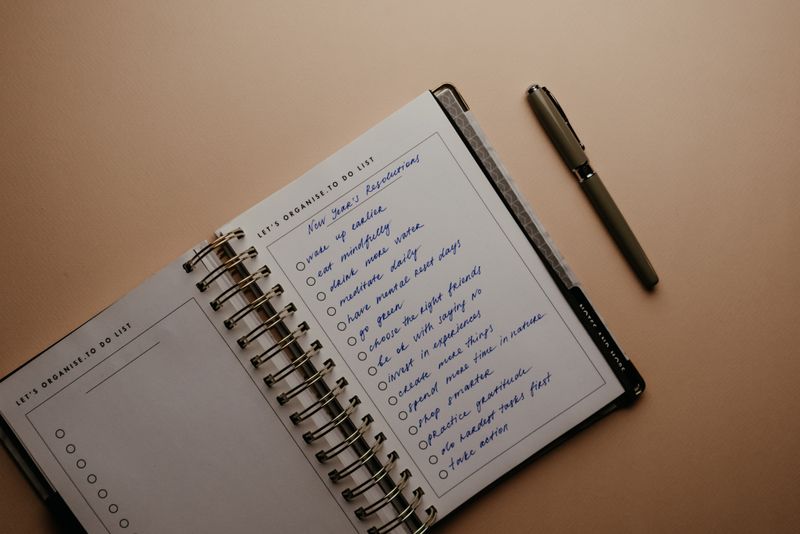
4. Make it satisfying: Celebrate small wins. Use a habit tracker app and mark ✓ after each day. Seeing progress releases dopamine and motivates you to keep going.
Benefits of Building Good Habits
- Saves mental energy: Habits turn behaviors into automaticity, reducing the effort your brain needs to exert.
- Boosts productivity: Daily habits like morning organization can increase productivity by up to 30%.
- Builds self-confidence: Every habit you successfully establish reinforces your belief in your ability to change.
- Cumulative results: Improving by just 1% every day means you’ll be 37 times better after a year.
Practical Tips to Stick to a Habit
✅ Don’t miss twice: You might miss a day or two, but the real danger is missing the third day. If you slip up, get back on track the very next day.
✅ Design your environment: Want to read more? Place the book on your pillow. Want to reduce phone use? Leave it in another room. Your environment makes all the difference.
✅ Use the 20-second rule: Make starting a good habit take less than 20 seconds, and starting a bad habit take more than 20 seconds.
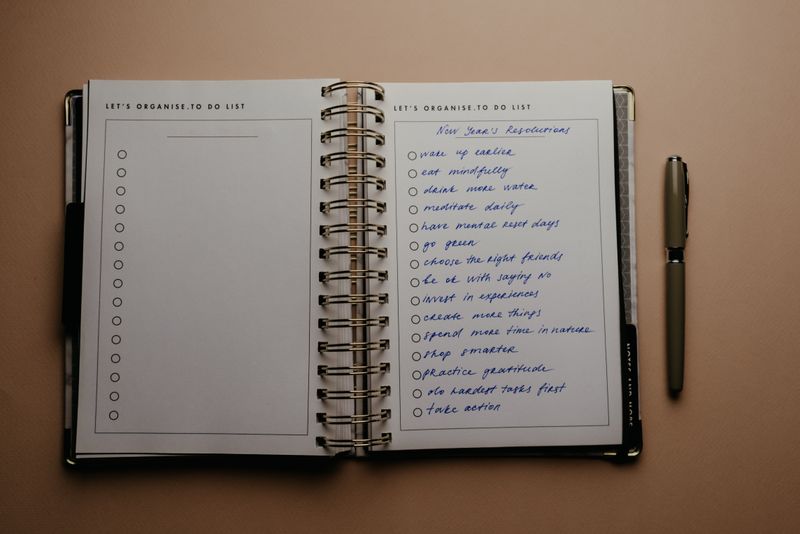
✅ Track your progress: Apps like Habit Tracker or even a small notebook, with daily tracking, can increase commitment by 50%.
How Long Does It Take to Build a New Habit?
A study from University College London found that the average time to solidify a new habit is 66 days, not 21 as commonly believed. But the number isn’t as important as consistency. Some habits may take 18 days, others 254, depending on their complexity.
❓ Frequently Asked Questions About Building Habits
Who
How to build new habits?
Everyone wants to improve their life. Whether you’re a student looking to organize your time, an employee seeking to increase your productivity, a homemaker searching for a healthy routine, or even an athlete aiming to enhance your performance – building good habits benefits everyone.
Where do I start in building a new habit?
Start in the place where you spend most of your time: home. Design your home environment to support the habit. For example, place exercise equipment in a visible spot, or create a quiet corner for reading. Places that remind you of the habit increase your chances of success.
How much does it cost to build new habits?
Most good habits don’t require money. Reading is free with digital libraries, walking is free, and meditation is free. You might invest in a book or an app, but the habit itself costs nothing. The real investment is your time and commitment.
How long does it take for a habit to become automatic?
As mentioned, the average is 66 days. But the most important thing is to keep going without long breaks. If you stop for a week, the habit weakens but doesn’t disappear. Return to it immediately and continue. Consistency is more important than speed.
How do I know a habit has become part of me?
When you perform the behavior without thinking or resistance, it has become a habit. For example, at dawn you automatically go for a walk or pick up a book without internal debate. That’s the real sign of success.
How do I overcome failure at the beginning?
Accept that failure is part of the journey. Every successful person has gone through periods of setback. The key is to bounce back quickly. Don’t let a weak day turn into a week, and don’t let a week turn into a month. Every new day is a fresh chance to start again.