Distance Education in Saudi Arabia: The Future of E-Learning and Available Opportunities
Distance education in the Kingdom of Saudi Arabia has witnessed a qualitative leap in recent years, transforming from a backup option into a recognized integrated educational system by the Ministry of Education. With rapid digital development, e-learning has become an essential part of the educational landscape, open to male and female students at various stages.
What is Accredited Distance Education in Saudi Arabia?
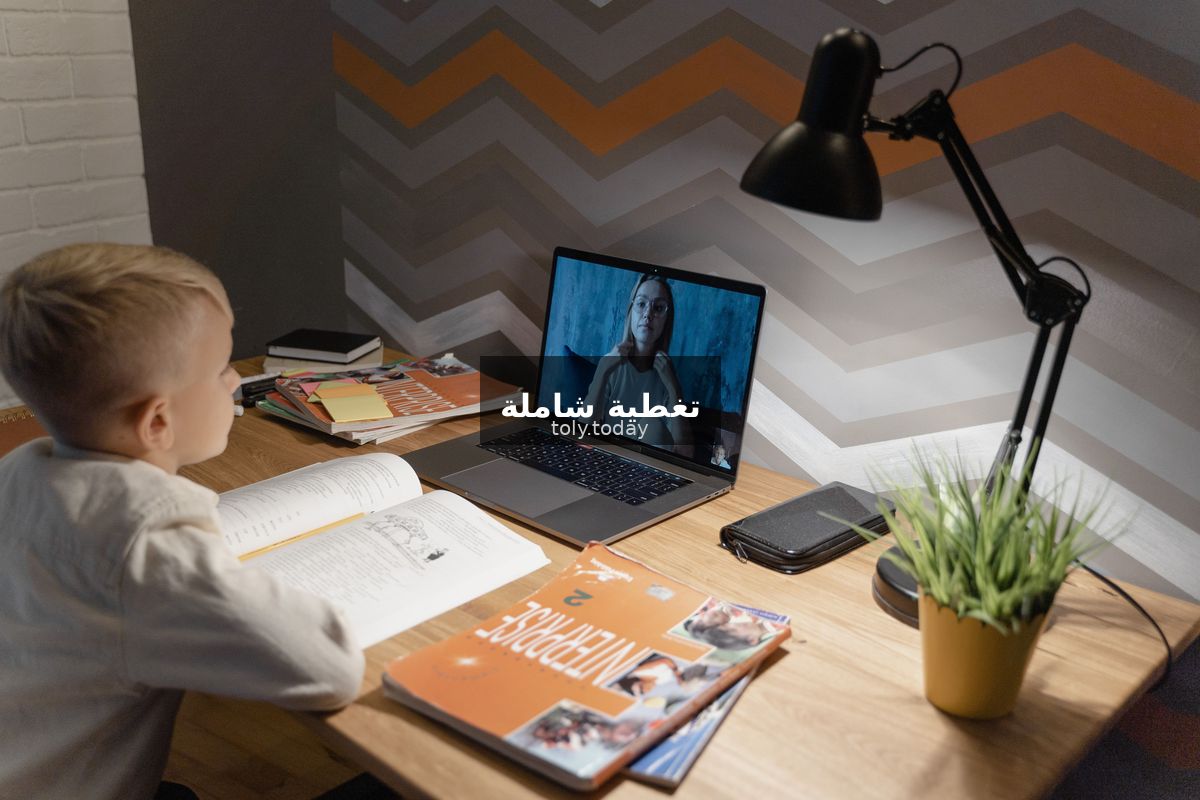
Distance education is an educational system that relies on digital technologies to deliver academic content to students without the need for physical attendance at the educational institution. In Saudi Arabia, the Ministry of Education has established a clear regulatory framework for this type of education, which has been approved by many public and private universities.
Some of the most prominent universities offering accredited distance education programs include King Abdulaziz University (Distance Education), King Faisal University, Imam Muhammad ibn Saud Islamic University, and Umm Al-Qura University. These universities offer bachelor’s and master’s programs in various specializations, and the certificates awarded hold the same value as those from traditional in-person education.
Distance Education Platforms in the Kingdom
The Ministry of Education has launched several electronic platforms to support distance education, the most prominent of which are:
- Madrasti Platform: The main educational platform for general education, providing virtual lessons, assignments, and assessments for all stages.
- Mustaqbal Portal: A comprehensive platform for digital learning targeting students, teachers, and parents.
- Ma’a Platform for Distance Education: Launched by the Ministry of Education for Saudi universities to unify e-learning efforts.
- Nafham Platform: An interactive educational platform that explains Saudi curricula in a simplified manner.
- Rawafed Platform: The digital content portal affiliated with the Ministry of Education.
Benefits of Distance Education
Distance education offers important advantages for Saudi students, including:
• Flexibility in study times that suit work commitments and family obligations.
• Saving on transportation and accommodation costs, especially for students in remote areas.
• The opportunity to study at top universities without the need for geographical relocation.
• Developing self-learning skills and personal discipline.
• Providing educational opportunities for special groups, the elderly, and housewives.
Are Distance Education Certificates Recognized?
Yes, certificates issued by Saudi universities accredited by the Ministry of Education are officially recognized and hold the same academic and employment value as traditional in-person education certificates. However, it is important to ensure that the program is registered on the Ministry of Education’s website and that the university is listed among the accredited institutions.
How to Enroll in Distance Education?
Enrollment in distance education programs is done through the official university websites, and students must have a high school diploma or equivalent. Admission requirements vary by university and specialization, and competition is usually based on the weighted average (high school + aptitude tests + achievement tests). Announcements can be followed through the Future University website and the Ministry of Education’s website.
Frequently Asked Questions About Distance Education in Saudi Arabia
Q: Is distance education available for all educational stages?
A: Distance education is primarily available for university and postgraduate students. For general education students, the Madrasti platform is used as a support for learning rather than a complete alternative to attendance.
Q: What is the cost of distance education in Saudi universities?
A: Costs vary depending on the university and specialization. Some public universities offer distance education programs for free or at nominal fees for Saudis, while fees are higher for non-Saudi students.
Q: Can I transfer from distance education to in-person education?
A: In most universities, students can transfer from distance education to in-person education based on available seats and according to the university’s regulations.
Q: How are exams conducted in distance education?
Q: What is the mechanism for exams in distance education?
A: The exam mechanism varies from one university to another. Some hold electronic exams via the platform, while others require attendance at the university for final exams.
Q: Is distance education accepted in government and private jobs?
A: Yes, distance education certificates from accredited Saudi universities are accepted in both the public and private sectors. They are treated the same as in-person education certificates when applying for jobs and promotions.