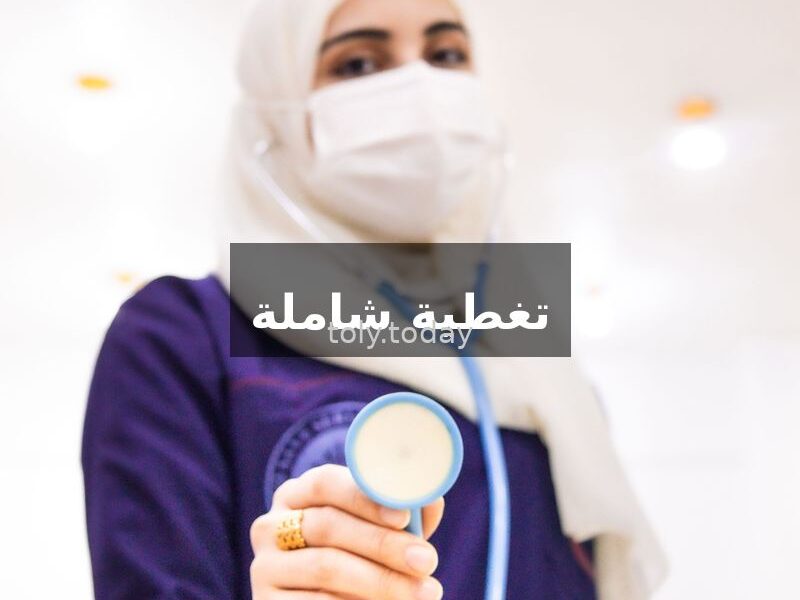
Children’s health is the foundation of their future. Caring for a child from day one reflects on their physical and mental growth and protects them from many diseases. In this comprehensive guide, we provide you with the most important tips and guidelines for maintaining your children’s health in the Kingdom of Saudi Arabia.
Proper Nutrition for Children
A balanced diet is the cornerstone of a child’s growth. The Saudi Ministry of Health recommends the following:
- Breastfeeding: It is preferable to rely on breast milk during the first 6 months, as it contains all the essential nutrients and antibodies that protect the child from diseases.
- Food diversification: After the sixth month, gradually introduce solid foods such as mashed vegetables, fruits, and grains.
- Vitamin D: Many children in Saudi Arabia suffer from vitamin D deficiency due to lack of sun exposure. Consult a doctor about appropriate doses.
- Reducing sugars: Carbonated drinks and sweetened juices cause obesity and tooth decay. Replace them with water and fresh milk.
Physical Activity and Movement
Exercise is essential for a child’s health. The World Health Organization recommends that:
- Children aged 3-5 years: They need varied physical activity for at least 3 hours daily.
- Children aged 6-17 years: They need 60 minutes daily of moderate to vigorous activities such as running, swimming, and football.
- Reducing screen time: It is advised that screen time (television, tablets, mobile phones) should not exceed 2 hours daily.
Regular Check-ups and Vaccinations
The Saudi Ministry of Health provides a free vaccination program for children, which includes:
- Basic vaccinations: Such as polio, measles, mumps, rubella, diphtheria, tetanus, and whooping cough.
- Vaccination schedule: It starts from birth and continues until 18 months of age, with booster doses at 4-6 years.
- Regular check-ups: Regular visits to the pediatrician to measure height, weight, and ensure healthy growth.
- Eye and dental exams: Early detection of vision problems and cavities is crucial in the preschool years.
Children’s Mental Health
Mental health is just as important as physical health:
- Emotional care: Hugging and talking to your child boosts their self-confidence.
- Daily routine: Consistent sleep and meal times give the child a sense of security.
- Free playtime: Allow your child time to play freely and without constant guidance, as this fosters creativity and imagination.
- Dealing with stress: If you notice your child is anxious or fearful, talk to them and ask about their feelings. Do not hesitate to consult a child psychologist if needed.
Common Dangers and How to Avoid Them
- Household accidents: Falls and burns are the most common. Ensure home safety and keep cleaning supplies and medications out of children’s reach.
- Traffic safety rules: Use child-appropriate car seats based on age and weight.
- Food poisoning: Wash fruits and vegetables thoroughly and store food at appropriate temperatures.
- Heatstroke: Avoid taking your child out during peak summer hours and use appropriate sunscreen for children.
Frequently Asked Questions
How often should I take my child for regular check-ups?
It is recommended to visit the pediatrician monthly during the first 6 months of life, then every 3 months until the age of one year, and then every 6 months thereafter. This helps monitor growth and detect any issues early.
My child refuses to eat healthy food, what should I do?
Try presenting food in creative and fun ways, such as shaping sandwiches into animals. Involve your child in food preparation to
General, and be a role model by eating healthy food. Do not force the child to eat, as most eat when they feel hungry.
What are the signs of vitamin D deficiency in children?
Delayed growth and walking, bowed legs, muscle weakness, excessive sweating in the head area, and easy fractures. It is recommended to perform periodic vitamin D tests and consult a doctor.
Are vaccinations safe?
Yes, vaccinations approved by the Saudi Ministry of Health are safe and effective, and undergo rigorous testing before approval. Vaccinations protect the child from serious diseases that can lead to death or permanent disability.
How can I protect my child from obesity?
Encourage your child to move and play outdoors, reduce fast food and sugary drinks, provide balanced meals containing vegetables and fruits, and avoid using food as a reward or consolation.
When should I worry about my child’s delayed speech?
Usually, the child starts saying simple words at 12-18 months of age and forms a two-word sentence at two years old. If your child does not say any understandable words by 18 months of age, it is recommended to consult a pediatrician or speech specialist.