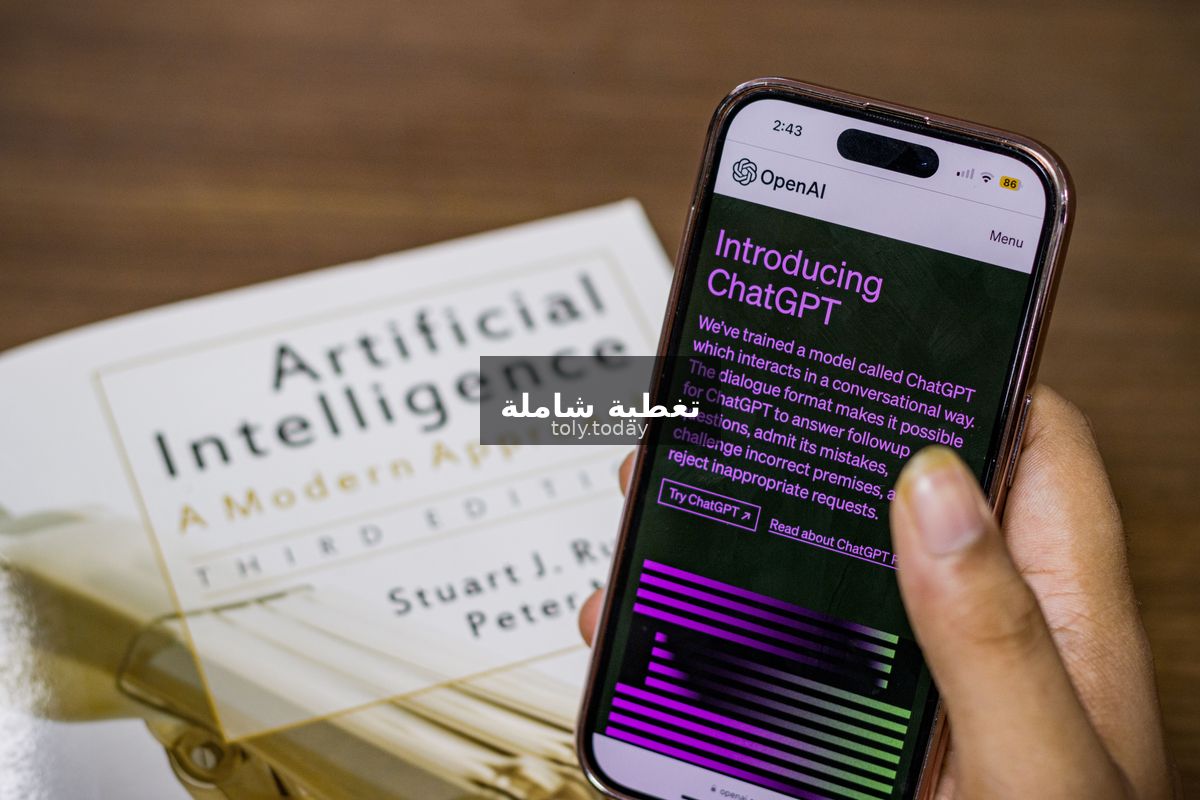
In a groundbreaking development that has shaken the tech world, reliable reports from Bloomberg and The Verge have revealed the first physical device produced by OpenAI, the company behind ChatGPT. The new device is neither a phone nor a computer, but rather a smart speaker without a screen that moves with you around the home and interacts with you as if it were your personal companion.
This highly anticipated device represents a significant leap in the world of smart voice assistants and marks OpenAI’s first foray into the realm of physical hardware after previously focusing solely on software and applications.
What exactly is this device?
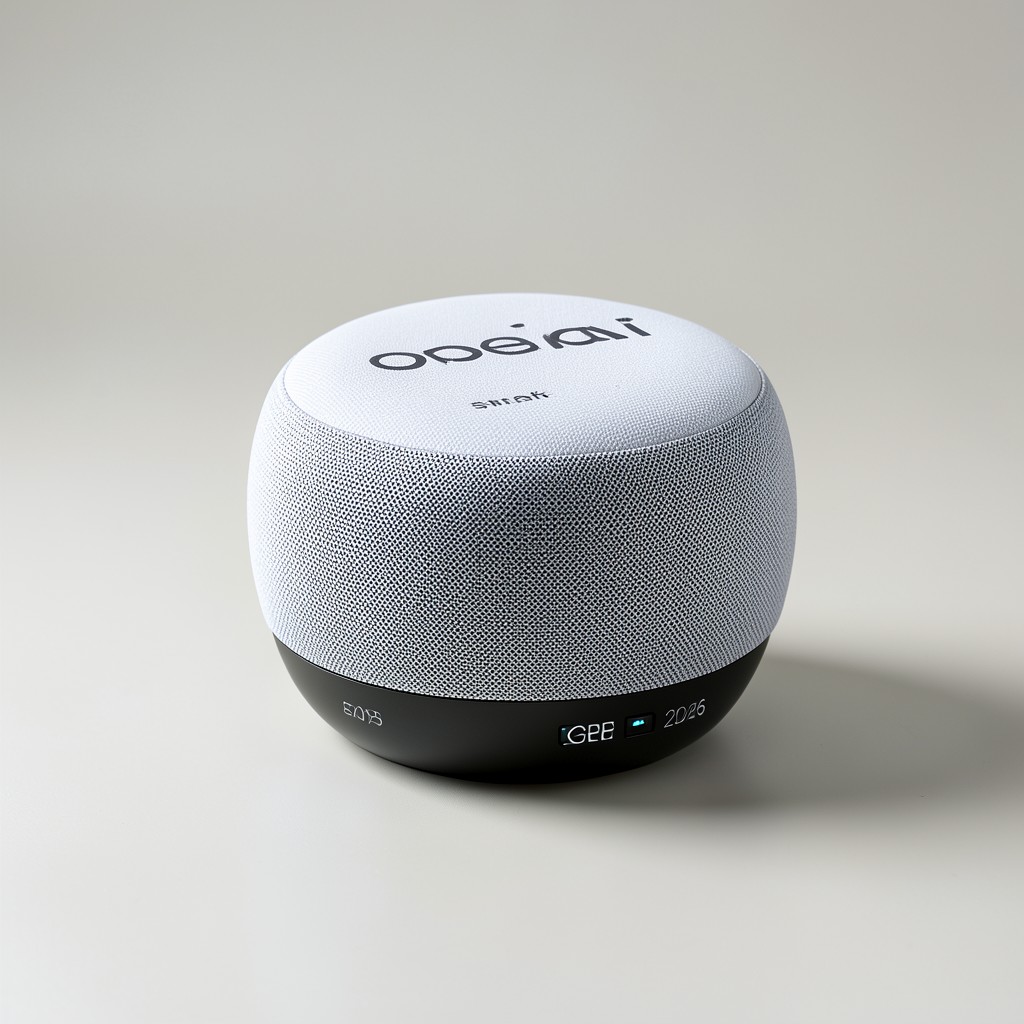
Simply put, it is a smart speaker similar to Amazon Echo or Google Nest, but with some key differences:
- No screen — relies entirely on voice and natural interaction
- Self-moving — equipped with mechanical parts that allow it to move and navigate between rooms
- Camera and sensors — understands its surroundings and recognizes people and objects
- Rechargeable battery — can be carried anywhere in the home
- Powered by GPT-Live — the latest voice model from OpenAI, launched last week
Reports describe the device as being designed to act as a “companion” rather than just a tool, embodying a physical manifestation of ChatGPT in your daily life.
How will it be in Saudi Arabia?
Saudi Arabia is one of the most enthusiastic countries when it comes to smart technologies. With the Kingdom’s push toward digital transformation and Vision 2030, this device could be a game-changer in the lives of Saudis:
- ✅ Smart home control — operate home devices using voice commands in Modern Standard Arabic and colloquial dialects
- ✅ Office assistant — used in companies and government institutions as an administrative aide
- ✅ Customer service — deployed in hotels and commercial complexes
- ✅ Education — serves as an educational assistant for children in homes and schools
- ✅ Elderly care — helps seniors with medication reminders and appointments
When will it launch? And what’s its price?
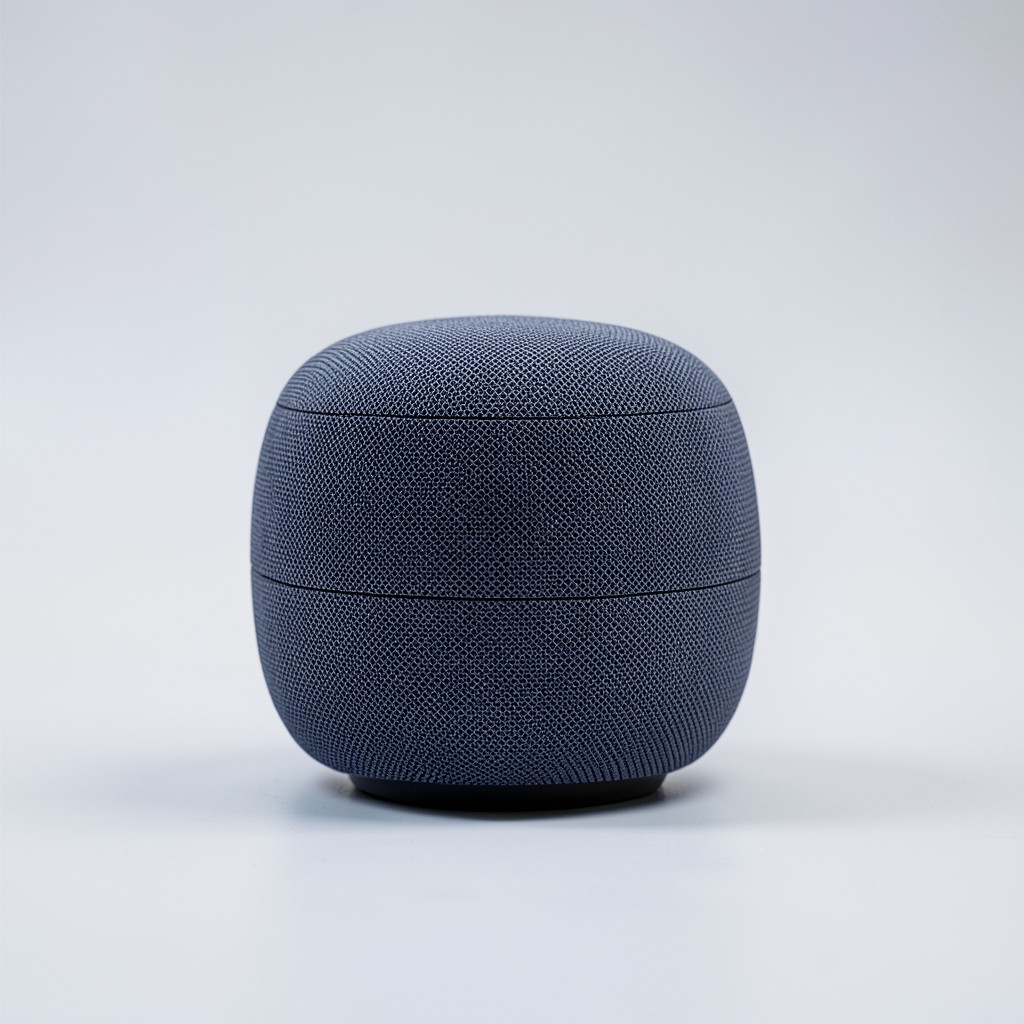
According to reports, OpenAI plans to launch the device in 2027. The device is part of broader plans that include five devices currently in development in collaboration with legendary designer Jony Ive (former iPhone designer) following OpenAI’s acquisition of his company, io Products, for $6.5 billion.
No official word has been released on pricing, but it is expected to be between $200 and $400, especially as it competes with devices like Apple’s HomePod and Amazon’s Echo.
The device is currently in the early stages of development, with an official announcement expected within a year. It’s worth noting that Apple has filed a lawsuit against OpenAI, accusing the company of stealing trade secrets related to this device, though OpenAI denies the allegations.
Key points about the device
- 📍 OpenAI’s first physical device — entering the hardware market after ChatGPT and the chatbot
- 📍 Moves and navigates — not stationary like traditional speakers
- 📍 Understands its environment — uses cameras and sensors to recognize who it’s talking to and where it is
- 📍 Speaks naturally — not just voice commands, but real conversations
- 📍 Smart home compatible — controls lighting, air conditioning, and appliances
- 📍 Coming in 2027 — part of plans for five different devices in the future
❓ FAQ
Who needs the OpenAI smart speaker?
Anyone who uses
Available at any time. Suitable for families, office workers, students, and seniors who need daily assistance. Especially those with smart home devices and who use voice control.
Where will the device be used?
In the home (living room, kitchen, bedroom) and in offices and companies. It can move between rooms unlike regular speakers. It is also suitable for commercial stores and hotels as an assistant for service.
How much does it cost? What is its price?
The official price has not been announced yet, but expectations indicate 200-400 dollars (750-1500 Saudi Riyal). This puts it in direct competition with Apple’s HomePod and Amazon’s Echo Studio.
When will it be released in the market?
The expected launch is in 2027. It is currently in development stages, and OpenAI is collaborating with Jony Ive to design the final shape. The official announcement may come in the coming months.
How do I use the device? How do I start?
Simply — turn it on with the button, it recognizes your voice, and you can start speaking to it directly. The device connects to the Wi-Fi network and links to your ChatGPT account. It requires a ChatGPT Plus subscription for full service, just like in the app.