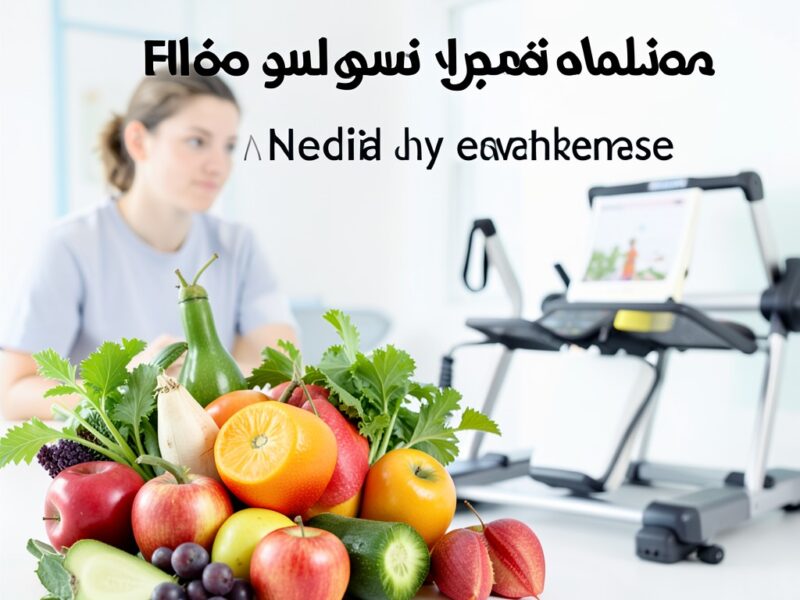
Your hair is a reflection of your health. If you notice unusual shedding or weakness in your hair, the problem often starts with your diet rather than your shampoo. Proper nutrition is the foundation of strong, healthy hair, and in this article, we present you with 10 scientifically-backed foods to strengthen hair and reduce shedding.
Why Does Nutrition Affect Hair?
Hair is primarily made of the protein keratin and requires a range of vitamins and minerals to grow healthily. When these nutrients are lacking in your body, the body prioritizes vital organs, leaving hair as one of the last to receive nutrients. This is why poor nutrition often shows up first in your hair.
10 Foods for Stronger Hair
1. Eggs 🥚
Eggs are rich in protein and biotin (vitamin B7), the two key components in keratin production. According to studies published by Healthline, biotin deficiency is directly linked to hair loss and weak growth. Eggs are also an excellent source of zinc and selenium.
2. Salmon and Fatty Fish 🐟
Fatty fish like salmon, sardines, and mackerel are packed with omega-3 fatty acids. Nutritionist Rhiannon Lambert told BBC Food that omega-3 supports scalp and hair follicle health, though evidence of its direct link to hair growth is still under study. Salmon is also rich in vitamin D and protein.
3. Spinach and Leafy Greens 🥬
Spinach is high in iron, folate, and vitamin C. Iron deficiency is one of the most common causes of hair loss, especially in women. Spinach helps deliver oxygen to the scalp through red blood cells.
4. Sweet Potatoes 🍠
Sweet potatoes are rich in beta-carotene, which the body converts into vitamin A. Vitamin A helps produce sebum, the natural oil that moisturizes the scalp and keeps hair healthy. However, avoid overconsumption, as excess vitamin A can cause hair loss.
5. Nuts and Seeds 🌰
Almonds, walnuts, chia seeds, and flaxseeds are excellent sources of omega-3, vitamin E, and zinc. Vitamin E is a powerful antioxidant that protects the scalp from oxidative stress. Walnuts, in particular, contain biotin and copper, which help maintain natural hair color.
6. Avocado 🥑
Avocados are rich in healthy fats, vitamin E, and antioxidants. They help moisturize the scalp, prevent dryness, and reduce breakage. Avocados are also a great source of potassium and folic acid.
7. Bell Peppers 🫑
Bell peppers—especially yellow and red—contain far more vitamin C than oranges. Vitamin C is essential for collagen production, which strengthens hair structure and aids in iron absorption.
8. Legumes (Lentils, Beans, Chickpeas)
They are an excellent source of plant-based protein, iron, zinc, and biotin. Chickpeas, in particular, contain folic acid, which helps regenerate hair follicle cells. Lentils are rich in plant-based iron, which is better absorbed with vitamin C.
9. Greek Yogurt 🥛
Greek yogurt is high in protein and vitamin B5 (pantothenic acid), which helps improve blood flow to the scalp. Yogurt is also an excellent source of calcium and vitamin D.
10. Oysters and Seafood 🦪
Oysters are one of the richest sources of zinc, an essential mineral for hair growth and tissue repair. According to Healthline, zinc deficiency leads to noticeable hair loss. If oysters aren’t available, beef and pumpkin seeds can be good substitutes.
Additional Tips for Healthy Hair
- Drink enough water — Dehydration affects scalp and hair moisture.
- Avoid extreme diets — Diets extremely low in calories can lead to hair loss.
- Reduce stress — Chronic stress raises cortisol, which inhibits hair growth.
- Don’t neglect protein — Hair is 90% protein, so ensure you consume protein sources daily.
Frequently Asked Questions
How long does it take for hair to respond to proper nutrition?
Hair follicles need time. You may notice improvements after 3–6 months of
Monitor your diet, because the hair growth cycle is relatively slow.
Are dietary supplements better than natural food?
Natural food is always better. The body absorbs nutrients from food better than supplements. Consult your doctor before taking any supplements.
Does iron deficiency really cause hair loss?
Yes, iron deficiency (anemia) is one of the most common causes of hair loss, especially in women. Regular iron and ferritin tests are important.
What is the best vitamin for hair?
There is no single vitamin. Hair needs a complete set: biotin, iron, zinc, vitamin C, vitamin D, and omega 3.
Does a vegetarian diet affect hair health?
A vegetarian diet may lack iron, protein, and zinc. Make sure to consume legumes, nuts, and leafy greens in sufficient quantities to compensate for this.