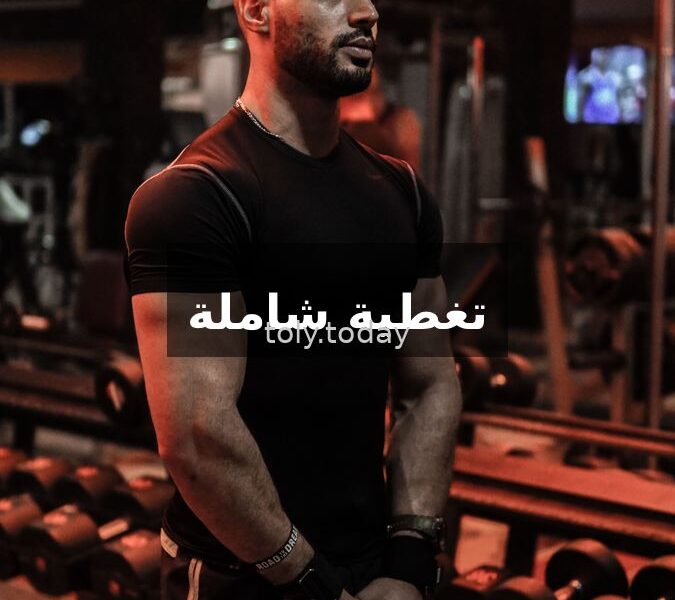
Chest muscles are among the largest and most important muscles in the body, and exercising them regularly gives an attractive shape and significantly improves physical strength. You don’t need a gym—you can start from home and see amazing results.
Benefits of Chest Exercises
According to Better Health Channel (Australian Department of Health), resistance exercises, including chest exercises, have scientifically proven benefits: improving muscle strength, protecting joints from injuries, increasing bone density and reducing the risk of osteoporosis, improving posture, and increasing the calorie burn rate even at rest. They also help prevent chronic diseases like diabetes and heart disease.
The great thing about chest exercises is that they engage the shoulder and triceps muscles as well, making them a complete upper-body workout.
1. Push-Ups — Basic and Equipment-Free
The best chest exercise you can do at home without any equipment. Push-ups work the chest, shoulders, and triceps together. For beginners: start on your knees (knee push-ups) or place your hands on a high chair to reduce weight. Tip: Keep your hands slightly wider than your shoulders to target the chest more. 3 sets × 12 reps, with a one-minute rest between sets.
2. Dumbbell Bench Press
If you have dumbbells, this is the best exercise for chest growth. Lie on a flat surface (bench or even the floor), lift the dumbbells up, and lower them slowly. Slow, full-range movements activate the muscle more than using a barbell. For beginners: start with a light weight and focus on proper form. Begin with 3 sets × 10 reps.
3. Incline Dumbbell Press — For the Upper Chest
If your bench is adjustable (incline), perfect! The incline press targets the upper chest and front deltoids, giving your chest a fuller, more balanced look. Set the bench at about 30–45 degrees. 3 sets × 10 reps.
4. Dumbbell Flyes
This exercise isolates and stretches the chest muscles. Lie on the bench and open the dumbbells to the sides like a bird, then slowly bring them back up. Key tip: Keep your elbows slightly bent throughout to protect your shoulders. 3 sets × 12 reps with a light weight.
5. Resistance Band Chest Press
If you don’t have weights, resistance bands are an excellent alternative. Anchor the band behind you and press forward. It provides continuous resistance throughout the movement. Bands are easy to store and allow you to train at home or while traveling. 3 sets × 15 reps.
Important Tips for Beginners
- Consistency over weight: Train 2 to 3 times a week. Proper form with manageable weight is better than heavy weight.
- Rest: Muscles need 48 hours to recover and grow. Don’t train chest two days in a row.
- Progressive Overload: Increase weight or reps every two weeks. This is the foundation of muscle growth.
- Breathing: Exhale (release breath) while pushing, inhale while lowering.
- Warm-up: 5–10 minutes of warm-up — shoulder rolls, light stretching — before every exercise.
Frequently Asked Questions
How many times a week should I train chest?
Twice to 3 times is enough. More than that reduces recovery chances. According to Better Health Channel, 48 hours of rest per muscle group is essential for maximum growth.
What’s the best chest exercise for beginners?
Push-ups are best because they require no equipment and engage multiple muscles. Start with 3 sets × 8–10 reps.
When will I see chest workout results?
With consistency and proper nutrition, initial results appear after 4–6 weeks. Significant improvement takes 8–12 weeks.
Do chest exercises sculpt the abs?
Not directly, but resistance training increases calorie burn even after the workout (EPOC effect) and improves overall body composition.
Do I need protein shakes or supplements to see results?
For beginners, no. A balanced diet with sufficient protein (chicken, eggs, meat, legumes) is enough. Supplements become useful in advanced stages.