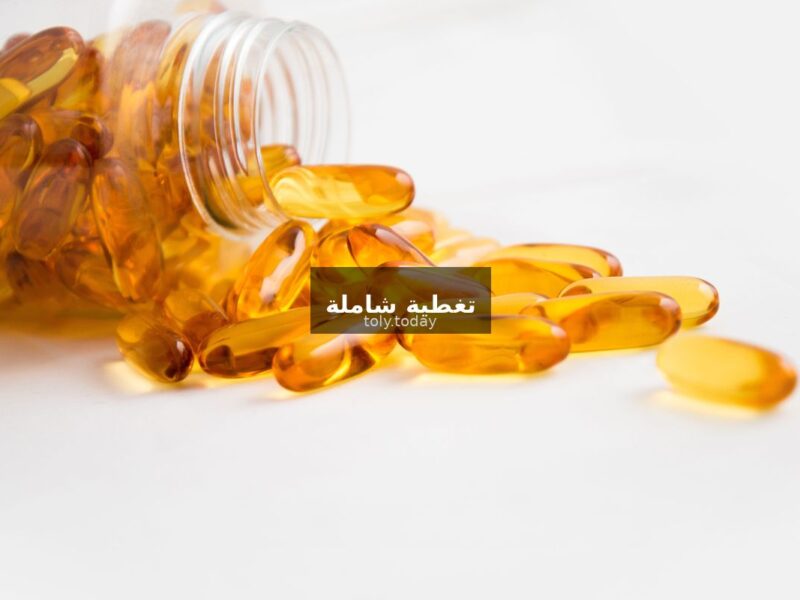
Vitamin E (also known as tocopherol) is one of the most powerful natural antioxidants. It is included in the composition of many skincare products worldwide — from facial creams to oils and serums — due to its significant benefits for skin health and beauty.
Why is Vitamin E important for the skin?
Vitamin E is a fat-soluble vitamin, meaning it can penetrate the skin’s natural lipid layer and deliver benefits deep into the skin. The human body does not naturally produce Vitamin E — you must obtain it from food, supplements, or topical skincare products.
Recent scientific research (including a 2025 study in the journal Recent Advances in Food, Nutrition & Agriculture) has confirmed that Vitamin E plays a key role in protecting skin cells from damage and aging.
1. Fights free radicals and premature aging
The most powerful feature of Vitamin E is that it is a strong antioxidant. Free radicals are harmful molecules produced by sunlight, pollution, and smoking, which cause damage to skin cells — leading to wrinkles, fine lines, and dull skin. Vitamin E neutralizes these free radicals and protects the skin from premature aging.
2. Deeply moisturizes the skin
Vitamin E is naturally present in sebum — the skin’s natural oily substance that moisturizes itself. Studies have shown that topical use of Vitamin E improves the skin’s ability to retain moisture. This is why many moisturizing creams contain Vitamin E as a key ingredient.
3. Soothes inflammation and redness
Thanks to its anti-inflammatory properties, Vitamin E helps calm irritated skin and reduce redness. This is why it is included in the formulations of sensitive skin products and post-shave lotions. However, scientific research on its use for treating burns or wounds is still limited — some studies have shown mixed results, so it’s best to consult a doctor.
4. Protects against the sun (with sunscreen)
Vitamin E helps reduce damage caused by ultraviolet (UV) rays. However, it never replaces sunscreen. Research recommends using it alongside sunscreen and Vitamin C to enhance protection.
5. Enhances skin radiance and evens out tone
Due to its antioxidant effect, Vitamin E helps even out skin tone and reduce the appearance of pigmentation and dullness. Skincare products that combine Vitamin E and Vitamin C tend to deliver better results for brightening the skin and improving its texture.
6. Strengthens the skin’s protective barrier
Vitamin E strengthens the skin’s protective lipid layer (skin barrier). This layer protects the skin from microbes and external pollutants. Stronger skin means less susceptibility to dryness, inflammation, and acne.
7. Nourishes the skin from within
External care alone is not enough. You must eat foods rich in Vitamin E to get its full benefits:
- Almonds and
- Peanuts
- Sunflower seeds (black seeds)
- Spinach and arugula
- Avocado
- Olive oil
- Wheat germ
- Not a substitute for sunscreen — vitamin E enhances protection but does not prevent sunburn
- Does not remove scars — scientific studies have not proven its effectiveness in removing scars, and some have shown negative results
- Allergy test — try the product on a small area before applying it to your entire face
- Consult a dermatologist — especially if you have chronic skin problems
How to use it
Vitamin E is found in face and body creams, oils, serums, and lip balms. Look for ingredients like “Tocopherol” or “Tocopheryl Acetate” — these are forms of vitamin E used in cosmetic products.
Tip: Pure vitamin E oil can be applied directly to the skin, but it’s best to mix it with a carrier oil (like coconut oil or almond oil) to prevent clogged pores.
Important warnings
Frequently Asked Questions
Does vitamin E cause acne?
Rarely, but if your skin is oily and sensitive to oils, it’s best to use lightweight products rather than applying pure oil directly.
How often should I use vitamin E cream for the face?
Once to twice daily as part of your skincare routine. Using it in the morning with sunscreen provides better protection.
Is vitamin E suitable for all skin types?
Most vitamin E products are suitable for all skin types — dry, oily, combination, and sensitive. Look for a product that suits your skin type.
Is vitamin E for skin safe during pregnancy?
Topical use (applying) is safe. However, it’s best to consult a doctor before taking high-dose vitamin E supplements during pregnancy.