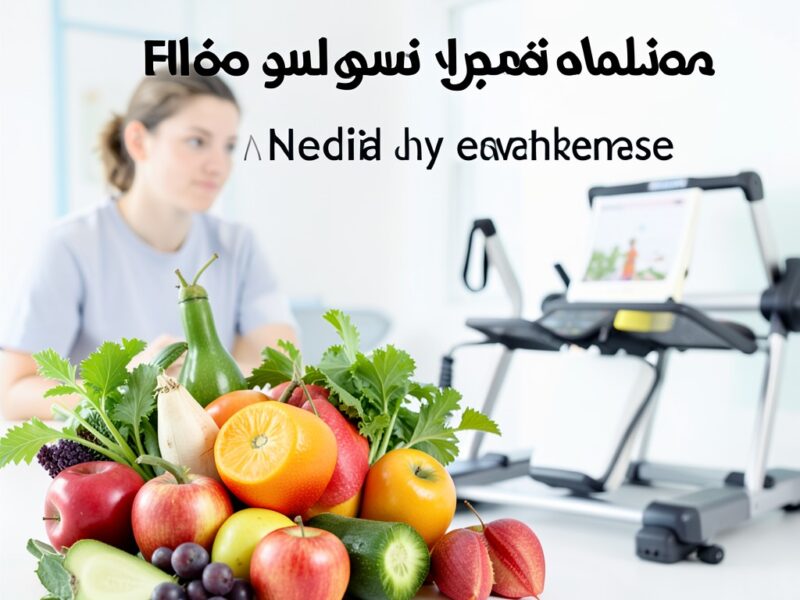
Healthy nutrition for children is one of the top priorities that occupy the minds of every parent. Healthy eating for children is not just about daily meals; it is an investment in their future—it affects their physical growth, brain development, immunity, and even their eating habits in the future.
According to the World Health Organization (WHO), healthy eating habits begin in early childhood, and children who get used to healthy food at a young age often maintain these habits into adulthood.
1. Provide a wide variety of foods
The best way to ensure healthy nutrition for children is to offer a variety of nutrient-rich foods at every meal. Try to include in each meal: a fruit or vegetable, protein, whole grains or starches, and healthy fats. Children may need 8 to 15 exposures to a new food before deciding to try it.
2. Maintain a regular meal schedule
Children thrive on routine. A regular meal schedule (3 main meals + 2 snacks) helps the child know when to eat and reduces food refusal.
3. Limit added sugars
The WHO recommends that added sugars should not exceed 10% of total daily calorie intake. Avoid sugary drinks and sweetened juices, and offer water and milk instead.
4. Fruits and vegetables are essential
According to the World Health Organization, children aged 2–5 years need 250 grams of fruits and vegetables daily, and those aged 6–9 years need 350 grams.
5. Protein for muscle and tissue growth
Protein is essential for children’s growth. Sources include lean meats, chicken, fish, eggs, legumes (lentils, chickpeas, beans), and dairy products.
6. Whole grains are better than refined
Replace white bread and white rice with whole-grain options: whole wheat bread, oats, and brown rice. They are rich in fiber, which improves digestion.
7. Healthy fats are essential for a child’s brain
Omega-3 fats found in fish (salmon, tuna), avocados, nuts, and olive oil are essential for brain and nervous system development in children.
8. Avoid pressure and forcing children to eat
Parents’ role is to decide what, when, and where to eat, while the child decides whether and how much to eat. Pressure and forcing increase food refusal.
9. Eat meals as a family
Studies show that children who eat meals with their families have better eating habits and consume a wider variety of foods.
10. Involve your children in the kitchen
Involving children in food preparation encourages them to try new foods. Children are more likely to eat what they help prepare.
Frequently Asked Questions (FAQ)
What is the best age to get a child used to healthy eating?
From the start of introducing solid foods around 6 months. However, you can improve your child’s habits at any age.
My child refuses all vegetables. What should I do?
Keep offering them in different ways: grilled, grated into pasta, or with a sauce they like. Repetition is key—some children need 10–15 attempts.
Are natural juices beneficial for children?
Juices contain free sugars even if natural. Offer whole fruits instead of juice. Maximum quantity: one small cup (120 ml) per day.
How many meals does a child need per day?
3 main meals and 2 snacks per day. Young children need frequent meals because their stomachs are small.
Are dietary supplements necessary for children?
It is preferable to obtain vitamins from natural food. Some children may need supplements (such as vitamin D) under medical supervision.
Sources: World Health Organization (WHO), Mayo Clinic, Healthline (medical review).