Khuzam Palace in Jeddah… a Royal Palace Turned into a Museum that Tells the History of the Kingdom
In the heart of the historic city of Jeddah, specifically in the ancient Al-Balad district, lies one of the most important royal palaces in the Kingdom of Saudi Arabia. It is Khuzam Palace, that building which witnessed pivotal stages of the kingdom’s history, and has today been transformed into a regional museum that takes visitors on a journey through time.
The palace was built during the reign of King Abdulaziz Al Saud – may God have mercy on him – to be his residence in Jeddah after he used to stay in the famous Nasif House. But what distinguishes Khuzam Palace from other historic buildings is that it was the first building in Saudi Arabia to use concrete and reinforced iron, a modern construction technique at that time, making it a unique architectural landmark.
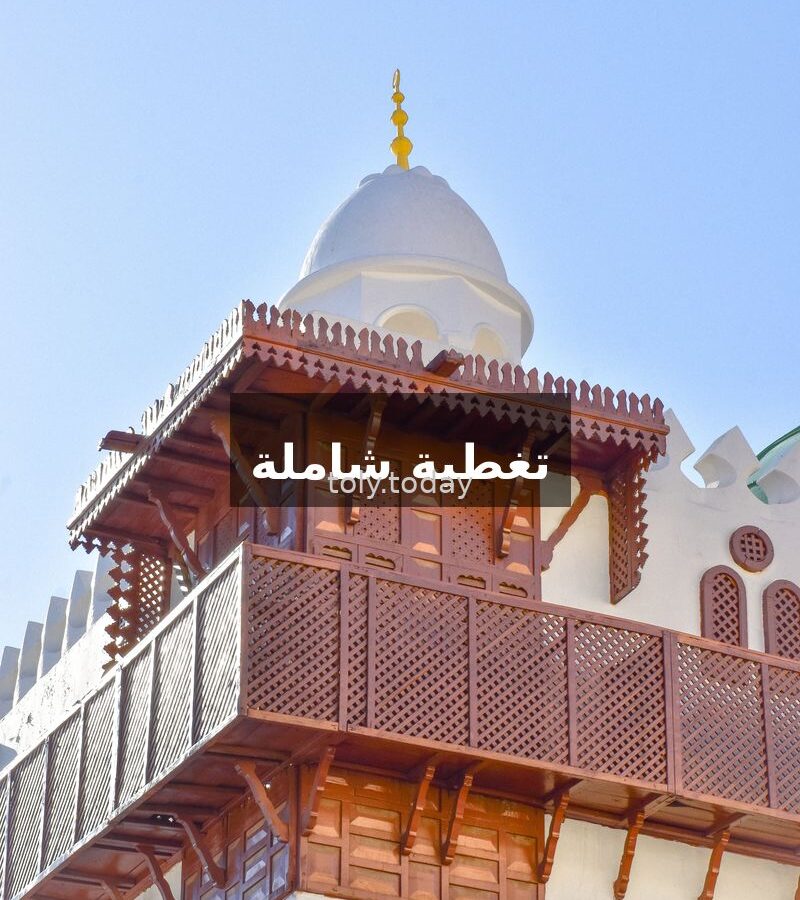
The palace was constructed in the year 1346 AH (1928 AD) and took about four years to build. It is characterized by its architectural design, which combines traditional Islamic style with modern touches, where thick walls are topped with decorated wooden windows, and surrounded by wide gardens. Its famous large gate – which was printed on the Saudi paper currency (Riyal) – tells its own story about the status of this palace.
After King Abdulaziz moved to another palace, King Saud bin Abdulaziz – may God have mercy on him – lived in it, and it was where the Council of Ministers was held and where high-ranking guests were received. The palace remained a witness to the stages of development that the kingdom went through for many decades.
Jeddah Regional Museum of Archaeology and Folk Heritage
In the 1980s, Khuzam Palace was transformed into the Jeddah Regional Museum of Archaeology and Folk Heritage, to become a cultural and tourist destination of the first class. The museum includes multiple halls that cover the history of the Arabian Peninsula from prehistoric times, through the Islamic era, to the prosperous Saudi era.
Among the most prominent sections of the museum:
- Prehistoric Ages Hall: displays stone tools and fossils that are thousands of years old.
- Ancient Kingdoms Hall: includes archaeological pieces from Madain Saleh, Al-Faw, and Taima.
- Islamic Era Hall: includes Quranic inscriptions on wood and stone, and rare Islamic pottery.
- Folk Heritage Hall: reflects daily life in Hejaz in the past, from clothing to food and tools.
- Kingdom Unification Hall: contains rare photos and personal belongings of King Abdulaziz.
Visit Information
The museum opens its doors daily from 9 am to 6 pm (except on Fridays when it opens after the Friday prayer). The admission fee is very symbolic. The palace is located in the Al-Balad district, and can be easily accessed through navigation apps.
Frequently Asked Questions (FAQ)
Q: Is Khuzam Palace the same as Khuzam Palace in Al-Ahsa?
A: No, there is a Khuzam Palace in Jeddah and a Khuzam Palace in Al-Ahsa. This article is about Khuzam Palace in Jeddah.
Q: What is the cost of entering the Jeddah Regional Museum (Khuzam Palace)?
A: The admission fee is symbolic and is around 10 riyals for adults, and free for children under 6 years old.
Q: Is photography allowed inside the palace?
A: Yes, personal photography is allowed, but the use of flash is prohibited in some halls to preserve the artifacts.
Q: What are the visiting hours?
A: Daily from 9 am to 6 pm, and on Fridays, visits start after the Friday prayer.
Q: Is the palace suitable for families and children?
A: Yes, the museum is suitable for families, and there are suitable facilities and spacious areas.
Q: Are guided tours available?
A: Yes, the museum provides tourist guides, and it is possible to coordinate in advance for large groups.
If you are planning to visit Jeddah, do not miss the opportunity to visit Khuzam Palace and the Jeddah Regional Museum. It is an experience that takes you on a journey through thousands of years of history of this good land. 🇸🇦✨