Zubaydah’s Well: Mecca’s Pulsing Water Artery for a Thousand Years 💧🕋
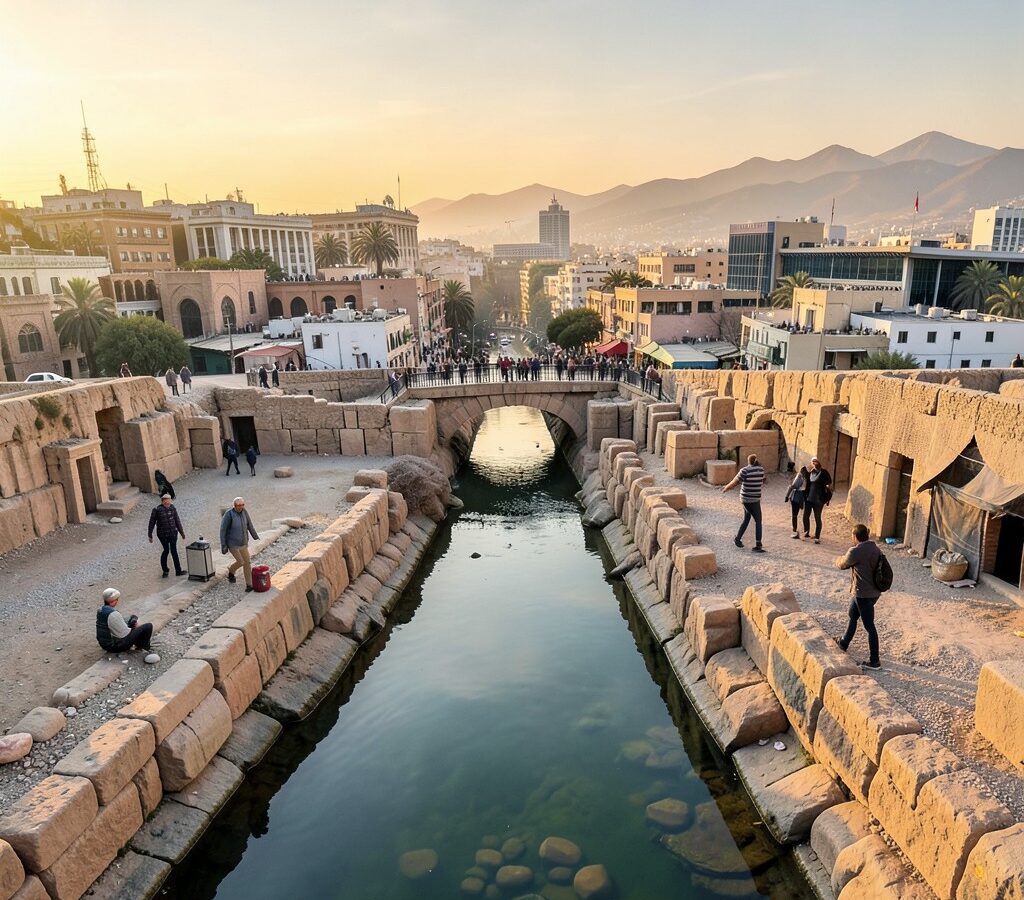
If you walk through the streets of the Holy City of Mecca and hear the sound of water flowing beneath your feet, know that you are walking upon a history devoted to generosity. Zubaydah’s Well is not merely an “old water channel”; it is an engineering marvel bearing the imprint of the mother of the Caliph, Zubaydah bint Ja’far (wife of Harun al-Rashid), who transformed the Hajj journey from a struggle against thirst into a path facilitated by fresh water. Today, its remains stand as a testament to the grandeur of ancient Islamic planning, deserving of your contemplation and appreciation.
📍 Practical Information for Your Visit
- Location: The remains of the channel and the Zubaydah’s Well Museum are located in the Al Zaher District, on the Medina Road (highway), near the intersection of Ibrahim Al-Jafali Street, Mecca.
- Entry Fee: Free (for the outdoor garden and archaeological site), while the indoor museum may require prior booking via the “Museums” platform or a permit from the Royal Commission for Al-Masjid al-Haram and Al-Masjid an-Nabawi.
- Visiting Hours:
• Outdoor Site/Garden: Open daily, 24 hours (best during the day for photography).
• Museum/Visitor Center: Typically from 8:00 AM to 8:00 PM (hours vary during Ramadan and peak seasons; please verify via the “A’tamarna” or “Nusuk” app or the Royal Commission’s website). - Best Time to Visit:
• Winter and Spring (November – March): Mild weather allows visitors to walk comfortably and explore the path.
• Golden Hours (after Asr prayer): For pleasant lighting on the archaeological stones and milder temperatures.
• Weekdays: Less crowded than weekends.
💡 Golden Tips for Visitors to “Zubaydah’s Well”
- Wear Comfortable Shoes: The site involves walking on rocky/dirt terrain and channel remains; heels or slippery slippers are not suitable.
- Keep “Nusuk” or “A’tamarna” Handy: Entry to the museum or organized areas sometimes requires a permit, especially during Hajj and Umrah seasons. Arrange your matters via your mobile phone.
- Bring Water and a Kufiya/Shemagh: Mecca’s heat is well-known, and walking the open path requires hydration and head coverage.
- Utilize Guides/Signage: The area is equipped with informational signs in Arabic and English; read them to understand “how Mecca was watered from Wadi Nu’mān?”
- Photography is Permitted: Take photos of the stone channel (open channels and ceramic pipes), but do not touch or sit on the artifacts to preserve them.
- Proximity to the Sacred Sites: The site is on the Medina Road, meaning you can combine your visit with a tour of Mina, Muzdalifah, or Arafat if you are during Hajj/Umrah season.
✨ Distinctive Fact: “Engineering Ahead of Its Time”
The most impressive aspect of Zubaydah’s Well is that it was not dug randomly. The engineers of that era (most notably Al-Fadl ibn Yahya al-Barmaki) utilized the principle of “gravityة” بذكاء خارق: حفرت القناة من وادي نعمان (جنوب شرق مكة) لمستوى أعلى من مستوى مكة، والماء يمشي لوحده من غير مضخات ولا كهرباء! طول المسار الأصلي أكثر من 35 كيلومتر، وفيه أنفاق في الجبال، وجسور على الأودية، وصهاريج ترسيب تنقي الماء قبل ما يوصل الحرم. زبيدة رضي الله عنها وقفت أوقاف ضخمة لصيانته، واستمر يخدم الحجاج أكثر من 1000 سنة، لحد ما جت المشاريع الحديثة وسدّت عليه. اليوم، الهيئة الملكية لمكة المكرمة أعادت تأهيل أجزاء منه كمتحف مفتوح يروي قصة “الماء = حياة”.
\n\n\n\n🎒 خلاصة القول
\n\n\n\nزيارة عين زبيدة مش مجرد سياحة، هي وقفة مع تاريخ أمتنا اللي سخرت العلم والهندسة لخدمة ضيوف الرحمن. تمشي على حجارة شربت منها أجيال، وتحس بعظمة التخطيط والبذل. لو أنت في مكة، سواء حاج، معتمر، أو زائر، خذ ساعة من وقتك، روح للزاهر، وقف على حافة القناة، وتخيل قافلة الحجيج قديماً وهي ترتوي من هالماء العذب.. دعوة لزبيدة بتقبل الله منها، بتحسها في قلبك. 🤲💚
\n\n\n\nالكلمات المفتاحية: Ain Zubaidah ancient water channel Makkah historic Saudi | التصنيف: معلم تاريخي | الوسوم: مكة, تاريخ, عيون
\n