The Saudi secondary school pathways system is the academic framework that replaced the courses system. It is based on a common first year that students study in all public and private schools, Quran memorization schools, Saudi schools abroad, night schools, and schools for adult women, after which they transition to the pathway that suits them. The Ministry linked this change to improving educational outcomes in line with the Kingdom’s Vision 2030, and to aligning educational outcomes with labor market needs.
The core idea is that a student does not start as a specialist from the very first day, but rather goes through a common phase where they build their foundation before making a choice. This differs from the old model, which assigned students to tracks early on. The system has been described as being consistent with the requirements of the 21st century and the development plans of the Kingdom’s Vision 2030.
The Common First Year: The Starting Point
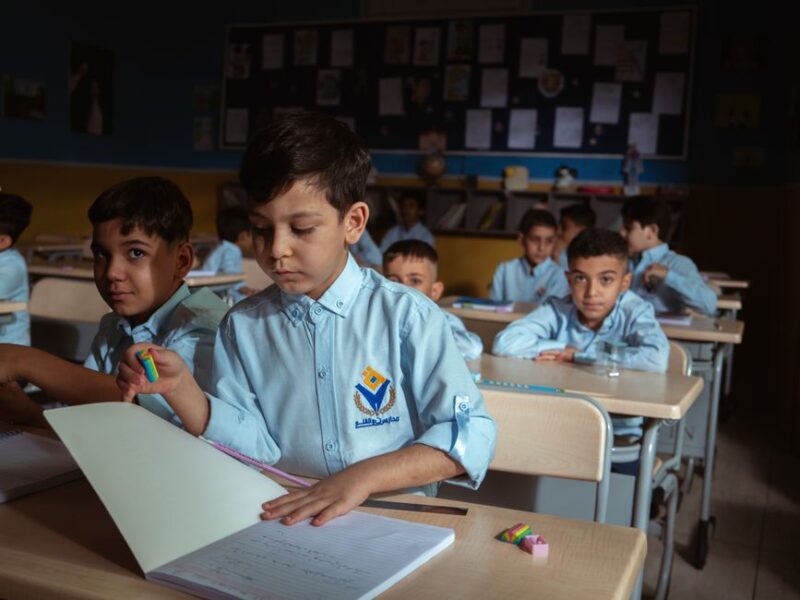
The common first year is the backbone of the system. The Ministry approved its implementation in all public and private schools, as well as Quran memorization schools, Saudi schools abroad, night schools, and schools for adult women. This means that implementation was not limited to public day schools, but extended to other educational tracks.
This common year means that students study foundational courses before specializing. It is the period during which they become familiar with the available pathways before making a decision. Its presence in all these types of schools means that a student transferring from one school to another finds the same structure, which mitigates the impact of transferring between schools within the Kingdom or abroad.
Guidelines for the School and the Coordinator
The system did not leave school administration to face the change without a reference. The Ministry approved the implementation of the School Principal’s Guide for the General Secondary Pathways System and the Pathways Coordinator’s Guide. Both guides were approved at the beginning of the 1442-1443 AH academic year, meaning they accompanied the implementation of the common first year from its inception.
The existence of a pathways coordinator as a role within the school means that there is a specific person responsible for monitoring the system, rather than the responsibility being distributed across the administration in general. The school principal has a guide that clarifies their duties, and the coordinator has a guide that clarifies theirs. This division makes responsibility clear in the event of any inquiries from students or parents.
Introductory Meetings: How the Explanation Reaches the Field
Introducing the system did not remain confined to official documents. Educational administrations held introductory meetings, including an introductory meeting on the General Secondary Pathways System organized by the Yanbu Education Administration. Such meetings target the educational field: principals, coordinators, teachers, and parents, according to the scope defined for each meeting.
This aspect is practically important. Any new system in secondary school raises questions for parents before students: What will my child study in the first year? When will they choose? And who will explain it to them? Introductory meetings are the channel where these questions are answered face-to-face, rather than relying on circulating interpretations.
Alignment with Universities
The system does not end with graduation from secondary school. The Higher Education Agency organized a workshop on the project to develop curricula and secondary school pathways to align with university academic plans and educational programs. This means there is a workstream to regulate the relationship between what a student studies in secondary school and what they will encounter in university.
This alignment directly affects the student: their choice of a pathway in secondary school is linked to what they will be able to study latera. This workshop took place on 23/02/1443 AH, which is in the second semester of the same year in which the guidance manuals were approved.
Difference from the Course System
The new system was announced as a replacement for the course system. Prior to the implementation of the pathways, there was a phased approach to apply the course system to all secondary schools over three years, starting from the first secondary grade in the academic year 1440/1439 AH, after presenting a comprehensive preparation and readiness program targeting educational administrations and all secondary school staff working under the semester system in preparation for their transition to the course system.
This sequence clarifies that the pathways did not emerge out of nowhere but were introduced after a phase in which secondary education transitioned from the semester system to the course system, and then to the pathways. Understanding this sequence helps those dealing with old certificates or students who studied under multiple systems to organize matters.
Reissuing the Certificate: A Practical Step
At the procedural level, the Najran Education Administration announced the start of receiving requests for reissuing high school certificates and identified the reception offices. This procedure is for those who lost their certificates or need a copy, and it is separate from the pathways system itself but intersects with it at one point: the certificate issued to the student at the end of the stage contains details of their study system.
Practically, those who need to reissue their certificate should go to the offices specified by the education administration in their area with a request, and they need nothing more than knowing the approved offices. Specifying offices instead of processing requests from a single location reduces pressure on both the student and the entity.
Frequently Asked Questions
Is the pathways system applied in all schools?
The first common year is applied in government and private schools, Quran memorization schools, Saudi schools abroad, night schools, and adult education schools.
Who is responsible for the system within the school?
The school principal has a guidance manual, the pathways coordinator has a guidance manual, and both were approved at the beginning of the academic year 1442-1443 AH.
What is the relationship between the pathways and the university?
The University Education Agency organized a workshop on the curriculum development project and secondary pathways to align with study plans and educational programs in universities.
Can the high school certificate be reissued?
Yes, the Najran Education Administration began receiving reissuance requests and identified the reception offices, and each region follows what its administration specifies.
Sources
- General / “Najran Education” Begins Receiving Requests for Reissuing High School Certificates and Identifies Reception Offices – Saudi Press Agency
- General / The Pathways System in Secondary Education Aligns with the Requirements of the 21st Century and the Development Plans of Saudi Vision 2030 – Saudi Press Agency
- Cultural / Yanbu Education Holds an Introductory Meeting on the Secondary Pathways System – Saudi Press Agency
- Education: Implementing the Course System in All Secondary Schools Phased Over 3 Years – Ministry of Education
- University Education Agency Organizes a Workshop on Curriculum Development and Secondary Pathways Project to Align with Study Plans and Educational Programs in Universities – Ministry of Education
- What is the Secondary Stage Pathways System? – Saudi Al-Watan Newspaper