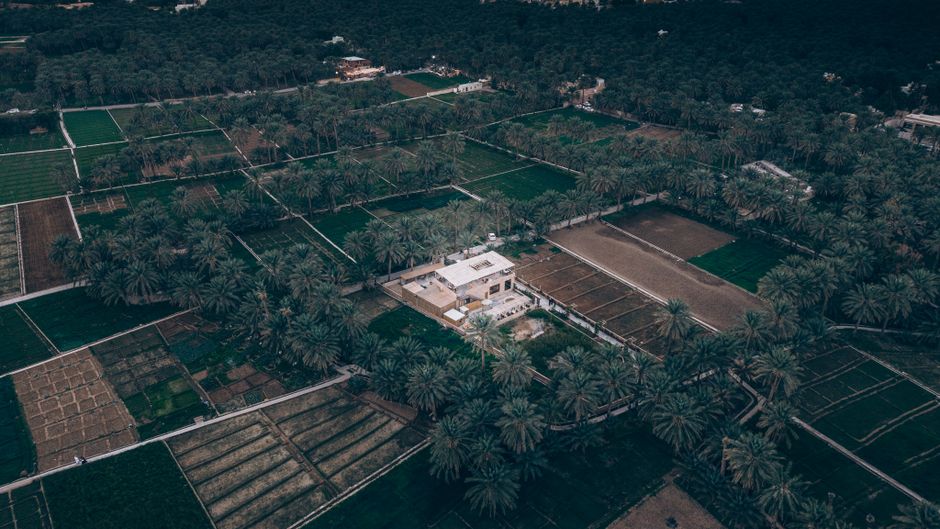
Najran is a Saudi city located in the southwest of the Kingdom, and it is the administrative capital of the Najran region. It is known for agriculture and heritage, with abundant palm trees, and includes the Najran Valley Dam, which is considered one of the largest dams in the Arabian Peninsula. The following guide combines the city’s archaeological and natural landmarks, with practical details to help the visitor plan their trip.
Overview of the City, Its Location, and Its Atmosphere
Najran is located in the southwest of Saudi Arabia, and it is the administrative capital of the Najran region. The city is an agricultural oasis surrounded by palm trees, and it is renowned for both agriculture and heritage, which is reflected in its overall scenery of orchards and traditional architecture.
What distinguishes Najran is its diverse nature: besides the agricultural oasis, it is surrounded by still pristine mountains rich in archaeological sites and varied carvings filled with drawings. This diversity makes traveling between sites part of the experience itself, as the distance between an orchard, a rock carving, and a historic castle is relatively short.
Key Landmarks and Tourist Spots in Najran
Al-Akhdoudiyah Region: Najran’s most famous archaeological site, mentioned in the Holy Qur’an in Surah Al-Buruj. Today it forms one of the most prominent historical landmarks visited by tourists to learn about the depth of civilization in the area, and it is the logical starting point for any heritage tour.
Najran Valley Dam: One of the largest dams in the Arabian Peninsula, located within the city’s geographical area. It is a prominent feature in the region’s agricultural and natural landscape, and is mentioned among the assets of the tourist destination.
Hama Cultural: An area that includes rock formations described as natural testimonies that embrace human memory. The rock formations are an attraction for visitors interested in both nature and archaeology.
Al-An Palace: One of the sites that offers a tourist experience documenting the authentic heritage and natural beauty of Najran. The site combines the heritage dimension with the surrounding natural scenery.
Raaum Historical Castle: A historic site that provides a charming panoramic view of the tourist attractions in Najran. Visiting it offers a wide view of the area and its surrounding landmarks.
Al-Safa Park: Described as a natural oasis that enhances quality of life and attracts visitors. It provides a suitable space for strolling and enjoying nature within the region.
Najran Highlands: Offer visitors panoramic views that combine mountains, the oasis, and urban heritage. They are among the sites that bring together in a single scene the elements of nature and traditional architecture.
Badr Al-Janub Parks: Natural oases and family retreats that attract visitors, and are listed among the parks frequented by locals and tourists in the region.
Aesthetic Sculptures in the City: Aesthetic sculptures have spread across Najran’s squares and main streets, becoming tourist and cultural landmarks. Their designs vary from those that emulate Najran heritage such as the Arabic dallah and traditional incense burners, to formations that embody the architectural style of mud houses and historic castles, combined with modern art and lighting technologies that give the city a distinctive nighttime appearance.
Some of the sculptures represent cultural and historical landmarks for several regions of the Kingdom, such as Al-Masmak, Ha’il, the Clock Tower, and
Sair and Jazan, forming a cultural bridge that connects the region with the rest of the country’s areas.Activities you can practice: family, nature, and heritage
Heritage activities start from the Al‑Akhdoudi region and historic forts such as Ra’um Castle, with an introduction to the traditional architectural style represented by mud houses. Add to it strolling in the squares to view aesthetic sculptures inspired by Najran heritage, a tour that does not require prior arrangement.
For the natural side: hiking in Safa Park and Badr Al‑Janub parks, ascending the Najran highlands to enjoy panoramic views that combine mountains and oasis, and observing the rock formations in Hamat Al‑Thaqafiya.
For families, combine parks as open spaces with archaeological sites as an educational tour for children. A full‑day itinerary starts with an archaeological site in the morning, then a park or highland in the afternoon, followed by an evening tour in the squares to view illuminated sculptures.
Best time to visit and weather
Sources note that Badr Al‑Janub parks attract visitors during the summer vacation, making summer one of the seasons when the parks in the region are active. Precise monthly temperature details have not been officially announced in the available sources, so visitors are advised to check local bulletins before setting a date.
Practically, rock sites and highlands are visited in the early morning or late afternoon to avoid peak heat hours, while evening tours in the squares are suitable for viewing illuminated sculptures.
Getting there, transportation, and accommodation in Najran
Najran includes a variety of accommodation options including hotels and furnished apartments for singles and families. The mentioned hotels: Gloria Inn Hotel, Hayat Najran Hotel, Ramada Hotel, Al‑Akhdoud Hotel, Levant Hotel, Oasis Hotel, Snob Hotel, Lotus for hotel suites, Happy D.N. Hotel, Al‑Rabeeh Hotel, Najran Crown Hotel, Al‑Bustan Hotel, Al‑Manara Hotel, Sahari Najran Hotel, Al‑Muhmal Hotel, and Sharoura Hotel.
This diversity gives visitors options depending on the accommodation location relative to the landmarks: staying near the city center facilitates access to the Al‑Akhdoudi region and the squares, while more distant locations suit those planning to visit parks and highlands on a separate day. Details of transport companies and road routes are not detailed in the available sources, and relying on a private car remains the practical choice for traveling between dispersed sites.
Restaurants and local food
The available sources do not mention specific restaurant names in Najran nor local dish menus by name. What can be said is that the city is an agricultural oasis abundant in palm trees, which is linked to palm products in the local market. A visitor seeking a specific dining experience is advised to ask at their accommodation about nearby options rather than relying on a ready‑made list.
Practical tips for the traveler to Najran
- Allocate a full day for archaeological sites and another day for parks and highlands, as traveling between them takes time.
- Carry enough water when visiting Hamat Al‑Thaqafiya and rock sites, as natural scenery requires time outdoors.
- Make the squares tour in the evening to benefit from the lighting
Frequently Asked Questions About Tourism in Najran
What is the most famous landmark in Najran? The Aqad Valley, which is the city’s most renowned historical site and is mentioned in the Holy Quran in Surah Al-Buruj.
Are there natural sites within the city? Yes, Safa Park is described as a natural oasis within the area, in addition to the Najran Highlands, which offer views that combine the mountains, the oasis, and architectural heritage.
Where can one stay? Hotels and furnished apartments are available for singles and families, including Al-Aqad Hotel, Hyatt Najran, Ramada Hotel, and other options mentioned in the guide.
Is Najran suitable for family trips? Yes, the Badr Al-Janoub Parks are described as family havens that attract visitors, and Safa Park is a suitable space for leisurely walks.
Sources
- Najran — Wikipedia
- Al-An Palace in Najran.. A tourism experience documenting authentic heritage and natural beauty — Saudi Press Agency
- Historical Raom Castle.. A captivating panoramic view of tourist sites in Najran — Saudi Press Agency
- Safa Park in Najran.. A natural oasis that enhances quality of life and attracts visitors — Saudi Press Agency
- Najran Highlands.. Panoramic views combining mountains, oasis, and architectural heritage — Saudi Press Agency
- “Badr Al-Janoub” Parks in Najran.. Natural oases and family havens attracting visitors during the summer vacation — Saudi Press Agency
- Aesthetic sculptures in Najran.. A story of visual creativity for a cultural identity and rich history — Makkah Newspaper