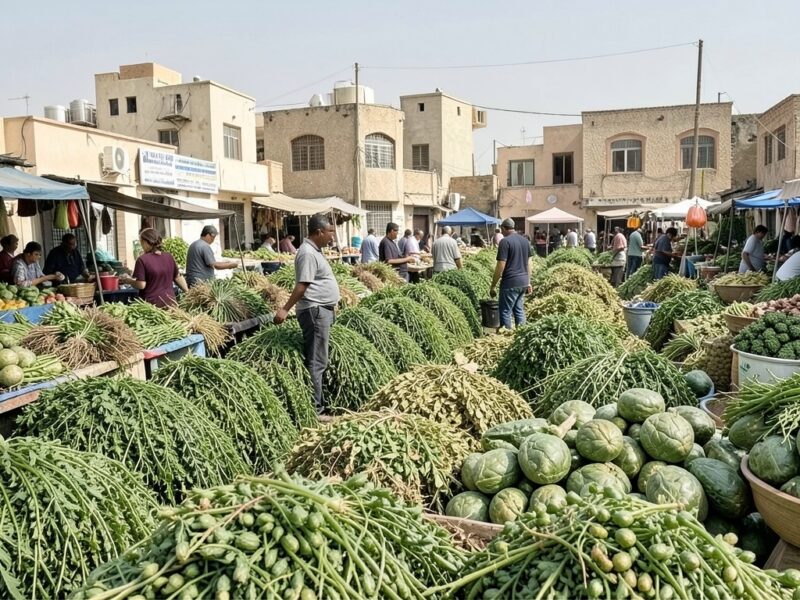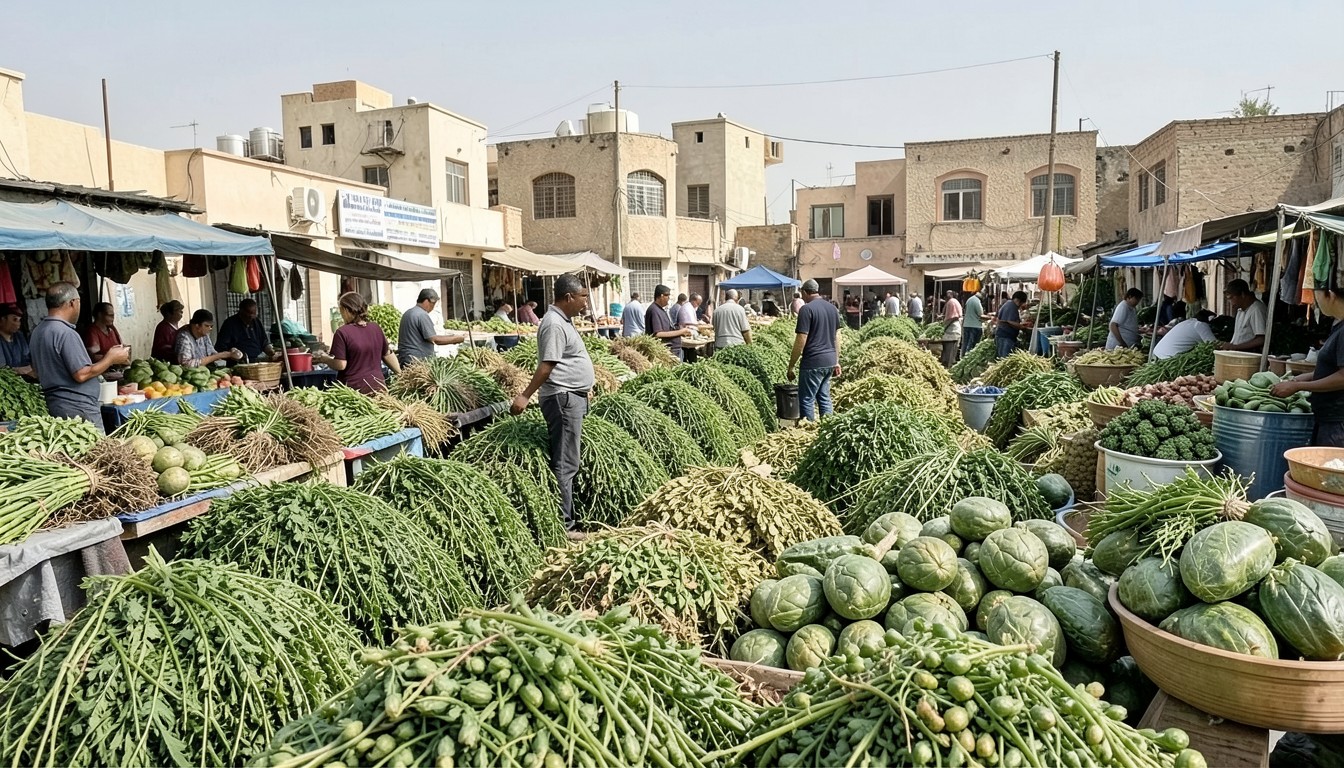
{“content”:”Legumes are a well-known food group in Saudi cuisine, from fava beans to lentils and chickpeas. The discussion here is not about a seasonal dish, but about a fundamental component in any healthy diet. The World Health Organization places healthy dietary patterns among its priorities in its awareness pages, and the Saudi Ministry of Health dedicates separate pages to healthy nutrition and the plant-based diet. This article explains what legumes are, the benefits supported by sources, and how to incorporate them into your day without complication.”,”className”:”wp-block-paragraph”}
Nutrition – World Health Organization (WHO)
Food and nutrition – Plant-based diet – Saudi Ministry of Health
Food and nutrition – Healthy nutrition – Saudi Ministry of Health
World Legumes Day.. How has fava beans become a main dish on the Saudi table during Ramadan? – alyaum
The Kingdom imports 185,000 tons of legumes annually at $140 million – Al Riyadh newspaper
What are legumes and why are they mentioned in nutrition guidelines?
{“content”:”Legumes are grains that are stored dry and cooked before eating, such as fava beans, lentils, and chickpeas. In Saudi Arabia, fava beans are strongly present on the table, especially during Ramadan, where a newspaper report describes them as having become a main dish. This daily presence makes legumes a raw material available in every household, not a premium product.”,”className”:”wp-block-paragraph”} {“content”:”From a nutritional classification perspective, legumes fall under plant-based food. The Saudi Ministry of Health dedicates a page to the “plant-based diet” within the food and nutrition section, which means legumes are treated as part of a complete dietary system, not as a standalone substitute. The page itself does not provide a table comparing plant protein to animal protein, but it places the plant-based diet within the context of official nutrition awareness.”,”className”:”wp-block-paragraph”} {“content”:”At the market level, the kingdom imports 185,000 tons of legumes annually at $140 million, according to Al Riyadh newspaper. The figure shows the extent of reliance on legumes in daily food, and explains why they recur in nutrition guidelines: a component available in large quantities and consumed regularly.”,”className”:”wp-block-paragraph”}Benefits supported by sources
- Part of a healthy diet: The World Health Organization addresses healthy dietary patterns in its awareness pages, and legumes fall within this framework as a plant-based food. The benefit here is not a separate promise, but the placement of legumes within a balanced dietary pattern.
- Option in the plant-based diet: The Saudi Ministry of Health dedicates a page to the plant-based diet, and legumes are a natural element in this pattern. Those following a plant-based diet find legumes a component that aligns with their nutritional orientation.
- Steady presence on the table: A report on World Legume Day documents how fava beans have become a main dish on the Saudi table during Ramadan. This stability means legumes are not a fleeting experiment, but an established dietary habit that can be built upon.
- Availability at the national level: The annual import volume mentioned in Al Riyadh means legumes are a widely available commodity, making it easy to incorporate them into daily meals without seeking them in specialized stores.
Practical recommendations as stated in the sources
{“content”:”The available sources do not specify a daily amount in grams or servings for legumes specifically. What they provide is a broader framework: the World Health Organization”,”className”:”wp-block-paragraph”} {“content”:”It addresses healthy dietary systems, and the Saudi Ministry of Health addresses healthy nutrition and the plant-based diet. The practical framework derived from this approach is to consider legumes as part of a balanced meal, not a single dish that is overused.”,”className”:”wp-block-paragraph”} {“content”:”No specific daily legume portion has been officially announced in the available sources. Therefore, when planning your meals, rely on the principle of variety followed by general nutrition guidelines, and refer to the Saudi Ministry of Health’s healthy nutrition pages when you need additional details.”,”className”:”wp-block-paragraph”}How to Incorporate Legumes into Your Day: Actionable Steps
- Start with an already existing dish: Fava beans for breakfast or suhoor are usually on the menu in many Saudi homes, as documented by the Global Legume Day report. You don’t need to invent a new recipe, just cement the habit.
- Vary the types: Fava beans, lentils, and chickpeas are all legumes. Variety prevents boredom and makes the dish part of a weekly, not just daily, routine.
- Cook a larger batch: Dry legumes are cooked in bulk and can be divided across days. This reduces preparation time and increases the chance of adherence.
- Read the plant-based diet page: If you are considering reducing reliance on animal sources, the Saudi Ministry of Health’s plant-based diet page gives you the official framework before starting.
- Don’t make it the only dish: The healthy framework in the sources talks about a complete diet, not a single component. Legumes are part of the dish, not the whole dish.