Dhuriyah Camel Festival: An Economic Movement Attracting Camel Owners and Enhancing the Presence of Authentic Heritage
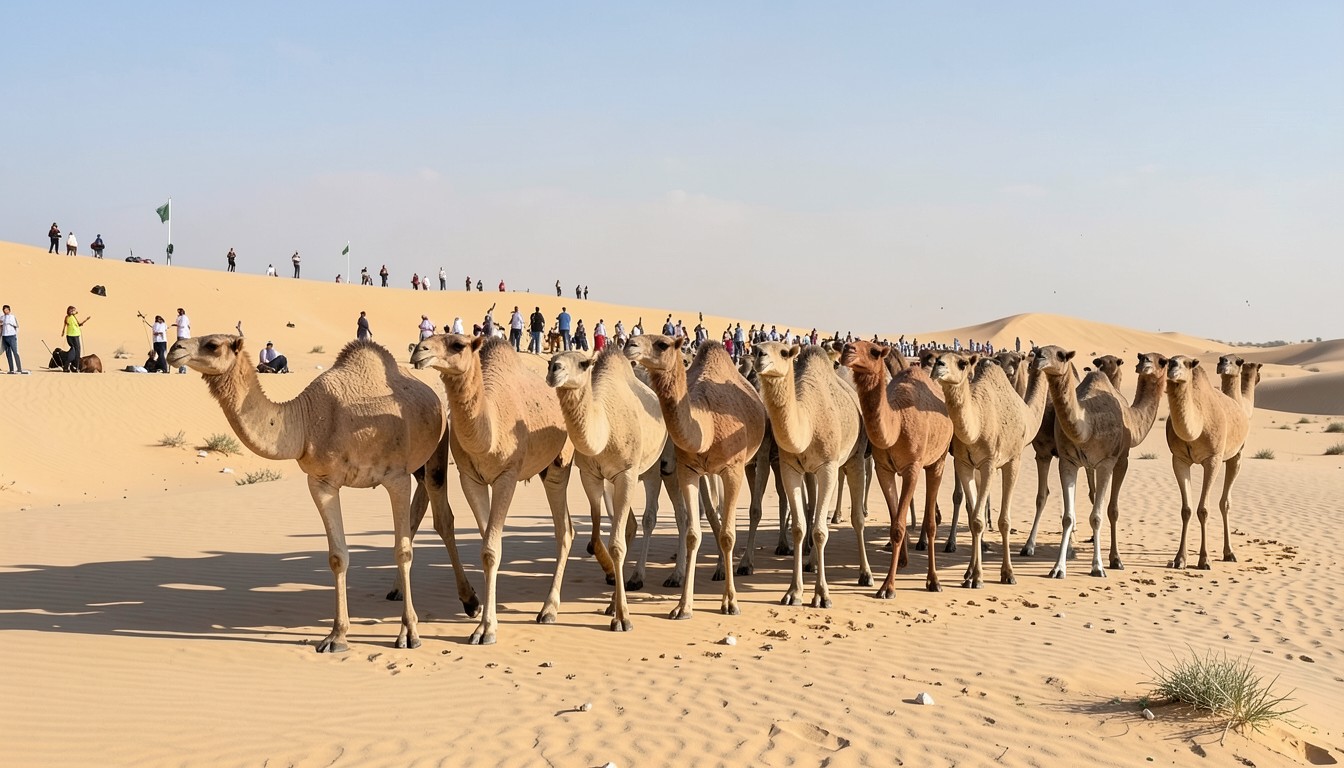
The Dhuriyah Camel Festival launched in the Qassim region as an event that combines the economic dimension with the heritage dimension, directly targeting camel owners and those interested in this sector. The festival comes within the movement witnessed by camel markets in the region, where sellers and buyers gather in one place throughout the days of the festival.
The festival is an opportunity to showcase various camel breeds, providing visitors with a broad picture of the diversity present in this field, and giving owners a space to display what they have before an audience of buyers and enthusiasts. This breed diversity is not a marginal detail, but one of the factors that make the event a meeting point between supply and demand in the camel market.
First Day Figures: 5,000 Sellers and Sales Exceeding 1.3 Million Riyals
On its first day, the festival recorded the presence of 5,000 sellers, a figure reflecting the level of interest in the event from camel owners and sellers. As for sales on the first day, they exceeded 1.3 million riyals, a number that shows the festival’s economic movement is not just a general description, but translated into actual figures in a single day.
These two numbers — the number of sellers and the sales volume — provide an indicator of the market nature that the festival brings together. The presence of 5,000 sellers in one day means there is an active buying and selling activity, and the festival succeeds in attracting those who have camels to display and those looking to purchase at the same time. Sales exceeding 1.3 million riyals mean that the deals were not symbolic, but reached considerable financial values on the very first day.
What Do Sellers and Buyers Find at the Festival?
The festival combines two functions at once: it is a market for displaying and selling camels, and a platform for celebrating the heritage associated with them. Sellers find a place to showcase their camels before a wide audience, and buyers find a variety of displayed breeds, which expands their options and makes comparison of the offerings possible in one place.
At the heritage level, the festival enhances the presence of authentic camel-related heritage, a aspect inseparable from the economic side of this sector. Camels are not merely commodities bought and sold; they are linked to inherited practices and customs, and the festival provides a context that combines selling and buying on one hand, and preserving this heritage on the other.
Why Is This Festival Specifically Important to Camel Owners?
For camel owners, an event that attracts this number of sellers and achieves this sales volume in a single day represents a direct meeting point with buyers. Instead of searching for scattered sales channels, the owner finds a gathering that includes sellers and buyers in one place, which facilitates the display process and reaching those who wish to purchase.
Additionally, the variety of breeds displayed at the festival gives the owner an opportunity to compare his camel with what others present, and to learn what the market demands. This aspect — knowing what is offered and what is sought — represents a practical value for the owner, not merely a social or heritage presence.
Economic and Heritage Movement in a Single Event
The festival combines two descriptions at once: an economic movement and a heritage movement. The economic side appears in the sales that exceeded 1.3 million riyals on the first day, and in the presence of 5,000 sellers. The heritage side appears in enhancing the presence of authentic camel-related heritage, and in being an event that attracts those interested in this m
Jal.This combination of the two descriptions is what distinguishes the festival from an ordinary market. An ordinary market is limited to buying and selling, whereas here the buying and selling take place in a heritage context, which gives the event a special character for participants and visitors alike.
Frequently Asked Questions
How many participants were there on the first day of the Daria Camel Festival?
The festival recorded an attendance of 5,000 participants on its first day.
What were the sales on the first day?
Sales exceeded 1.3 million riyals on the first day.
What distinguishes the festival from a regular camel market?
The festival combines economic activity with heritage activity, includes various camel breeds, and attracts camel owners and those interested in authentic heritage.
Where is the festival held?
The Daria Camel Festival takes place in the Qassim region.
Sources
- Economy / Daria Camel Festival.. Economic movement attracts camel owners and enhances the presence of authentic heritage – Saudi Press Agency
- Daria Camel Festival in Qassim.. 5,000 participants and sales exceeding 1.3 million riyals on its first day – Ahwal Online Newspaper
- Daria Camel Festival.. Economic and heritage movement with availability of various breeds – Economy Today