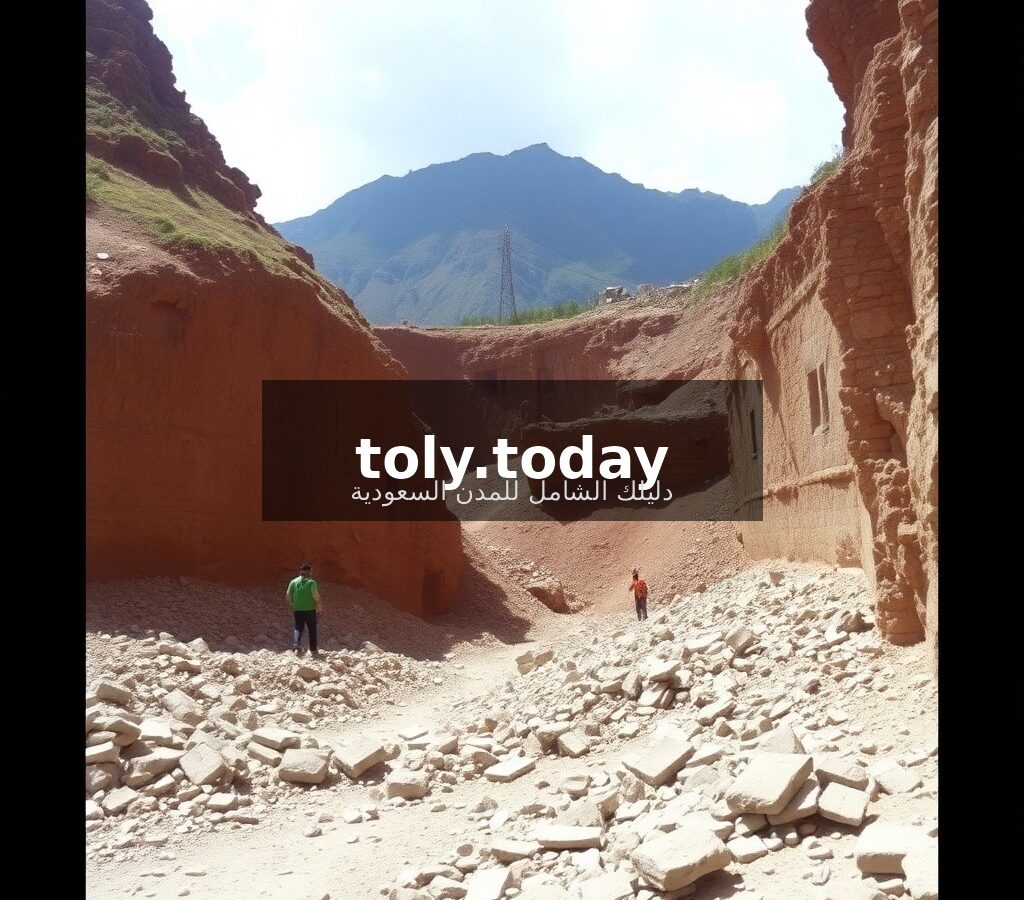
On this day in 1970, a devastating earthquake struck the Ancash region of Peru, becoming one of the deadliest natural disasters in Latin American history. The earthquake measured 7.9 on the Richter scale and claimed an estimated 70,000 lives, most of them due to a massive landslide that buried the cities of Yungay and Ranrahirca entirely.
Earthquake Details
The earthquake struck at 3:23 PM local time, about 25 kilometers off the coast of Peru in the Pacific Ocean. The main tremor lasted only about 45 seconds, but it was enough to reshape the region entirely. The earthquake destroyed most buildings in the cities and villages of the area, which lacked earthquake-resistant construction standards.
The Landslide That Buried Cities
What made this disaster uniquely horrific was the massive landslide triggered by the earthquake. A large portion of the glacier on Mount Huascarán (Peru’s highest peak) collapsed, releasing a colossal mass of ice, rock, and mud at an estimated speed of 280 kilometers per hour. This monstrous wave buried the city of Yungay entirely under about 50 million cubic meters of debris, leaving only a few hundred survivors who had been in higher areas for a local festival. The neighboring city of Ranrahirca suffered the same fate.
Humanitarian Fallout
The death toll was staggering: over 20,000 people in Yungay alone, about 15,000 in Ranrahirca, and tens of thousands in other towns and villages. More than 800,000 people lost their homes. Rescue teams faced immense challenges reaching the stricken areas due to destroyed roads and bridges. Relief efforts took weeks and included international aid from several countries.
Lessons for the Future
The Ancash disaster prompted Peru to rethink its building policies and urban planning in earthquake-prone areas. It also contributed to the development of early warning systems and evacuation plans in South America. Yungay remains a site of remembrance, where the buried area has become a mass grave and historical landmark that reminds the world of nature’s destructive power.
The 1970 Ancash earthquake disaster remains a harsh lesson on the importance of disaster preparedness and the necessity of adhering to building codes in seismic zones. This annual remembrance reminds us that nature shows no mercy, and preparedness is the best weapon.