BRICS Leaders Express Concerns Over the Middle East and Denounce Unilateral Sanctions at India Summit
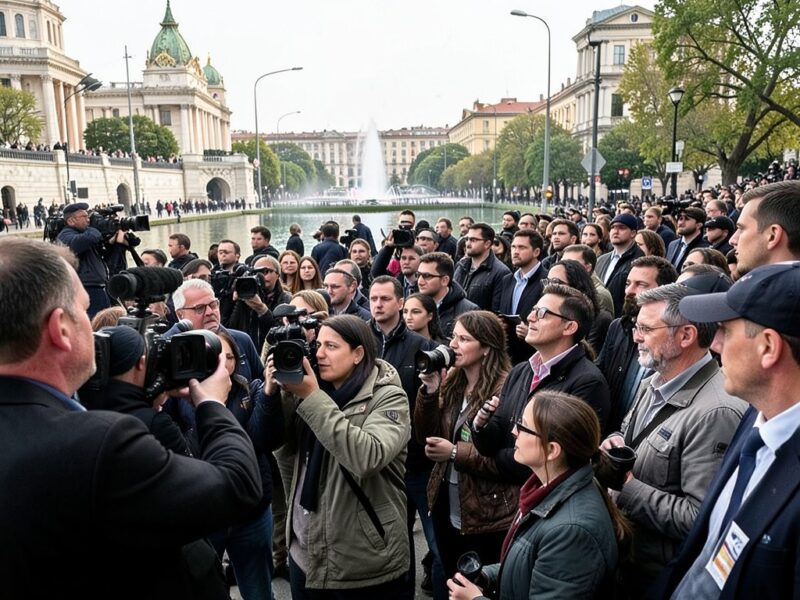
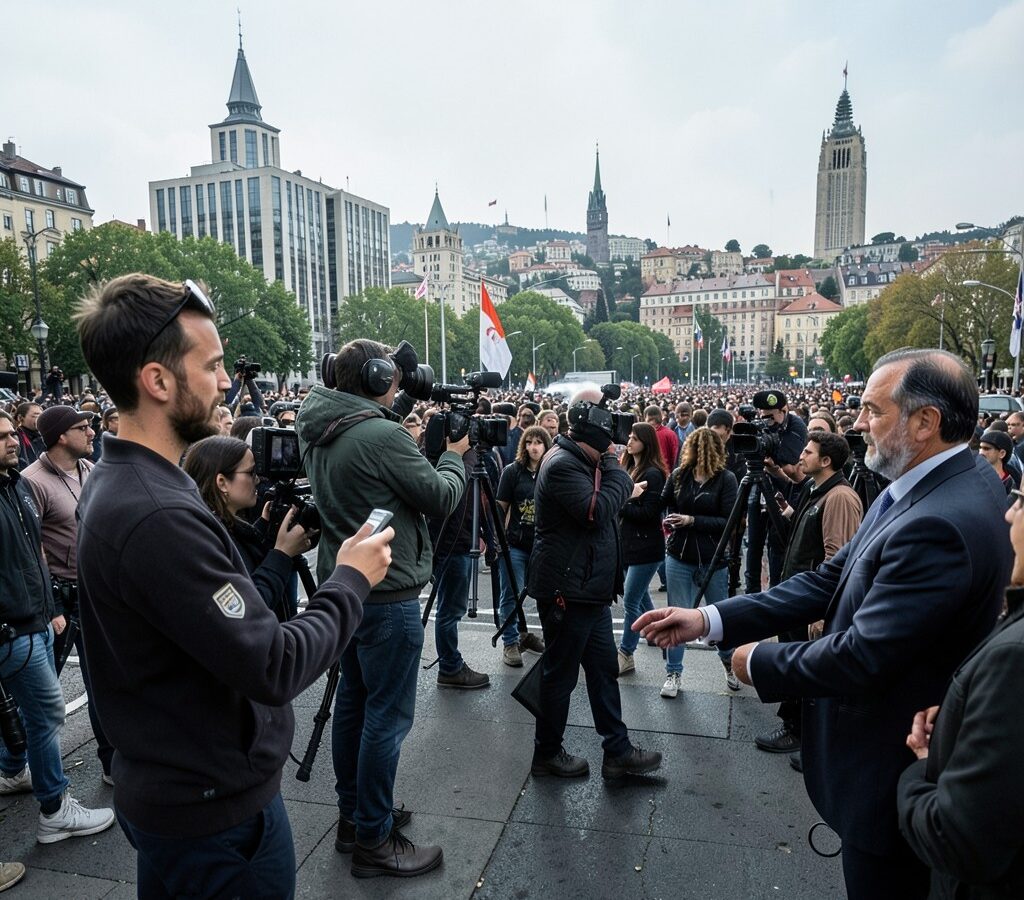
On September 14, 2026, the leaders of the BRICS nations (Brazil, Russia, India, China, and South Africa) gathered for a summit held in New Delhi, India, where they expressed growing concern over tensions in the Middle East region and condemned what they described as unilateral sanctions imposed by certain Western countries on nations in the region.
The meeting was not merely an exchange of statements; it took place at a time when the region is witnessing an escalation in geopolitical conflicts, ranging from the conflicts in Yemen and Syria to tensions surrounding the Iranian nuclear program and the impact of sanctions on the global economy. The leaders sought to unify their stance against what they perceive as policies imposed unilaterally without United Nations approval or international consensus, while emphasizing the necessity of multilateral dialogue and resolving conflicts through diplomatic channels.
Why This News Matters
First, BRICS’ move reflects an attempt to form a counterweight to Western powers in international issues, particularly when it comes to economic policies such as sanctions. Second, it highlights the growing concern among major non-Western powers regarding the stability of the Middle East, which is considered a vital corridor for trade routes and global energy supplies. Third, this stance may influence the policies of BRICS member states toward economic and investment cooperation in the region, potentially opening new doors for partnerships or redirecting financial flows.
The Event’s Impact on the Region and the World
BRICS member states may be encouraged to increase investments in infrastructure and renewable energy in the Gulf states and North Africa as an alternative to reliance on Western markets.
The condemnation of unilateral sanctions may lead to pressure on the countries imposing them to reconsider their policies, especially if they find themselves internationally isolated.
This stance may encourage strengthening regional conflict resolution mechanisms through multilateral platforms such as the United Nations or BRICS forums, which could reduce the escalation of conflicts.
The Event’s Relation to Saudi Arabia or the Middle East
According to available sources, the summit did not mention specific details regarding Saudi Arabia. However, as the region’s largest oil exporter and an active participant in initiatives such as Vision 2030, the Kingdom may be directly affected by any changes in sanctions policies or international investment trends. If BRICS nations decide to increase their economic cooperation with Gulf states in response to Western sanctions, Saudi Arabia may see new opportunities to attract investments in renewable energy, modern technologies, and logistics projects. On the other hand, the Kingdom may face pressure to balance its relations with Western partners and BRICS partners simultaneously.
Outlook and Future Analysis
In the short term (6–12 months), it is likely that BRICS nations will continue to issue joint statements supporting peaceful solutions and opposing unilateral sanctions, and they may seek to establish alternative financing mechanisms for infrastructure projects in the Middle East. In the medium term (1–3 years), if these efforts succeed in attracting significant investments, we may witness a gradual shift in the global economic center of gravity toward Asia and Africa, with reduced reliance on Western financial systems. However, the success of these scenarios depends on the BRICS nations’ ability to overcome their internal differences and present a unified and credible offer to regional partners.
Questions and Answers
What unilateral sanctions did BRICS leaders refer to?
The summit did not specify the names of the sanctions, but the general reference points to measures imposed by some Western countries on nations such as Iran, Russia, and Syria, which BRICS considers incompatible with international law and the Security Council.
How might this stance affect oil prices?
If BRICS initiatives lead to a reduction in the impact of sanctions on oil production and exports from regional countries, this could contribute to stabilizing or even slightly lowering oil prices due to increased supply. However, prices are influenced by multiple factors, including global demand and geopolitical conditions, so it is not possible to determine a specific impact without careful monitoring.
Will Saudi Arabia change its foreign policy as a result of this development?
So far, there are no official indications of a radical shift in Saudi Arabia’s foreign policy. However, the Kingdom may seek to diversify its economic partnerships and take advantage of any investment opportunities offered by BRICS countries, while maintaining its strategic relationships with Western partners in a manner that serves its national interests.
Source: PBS