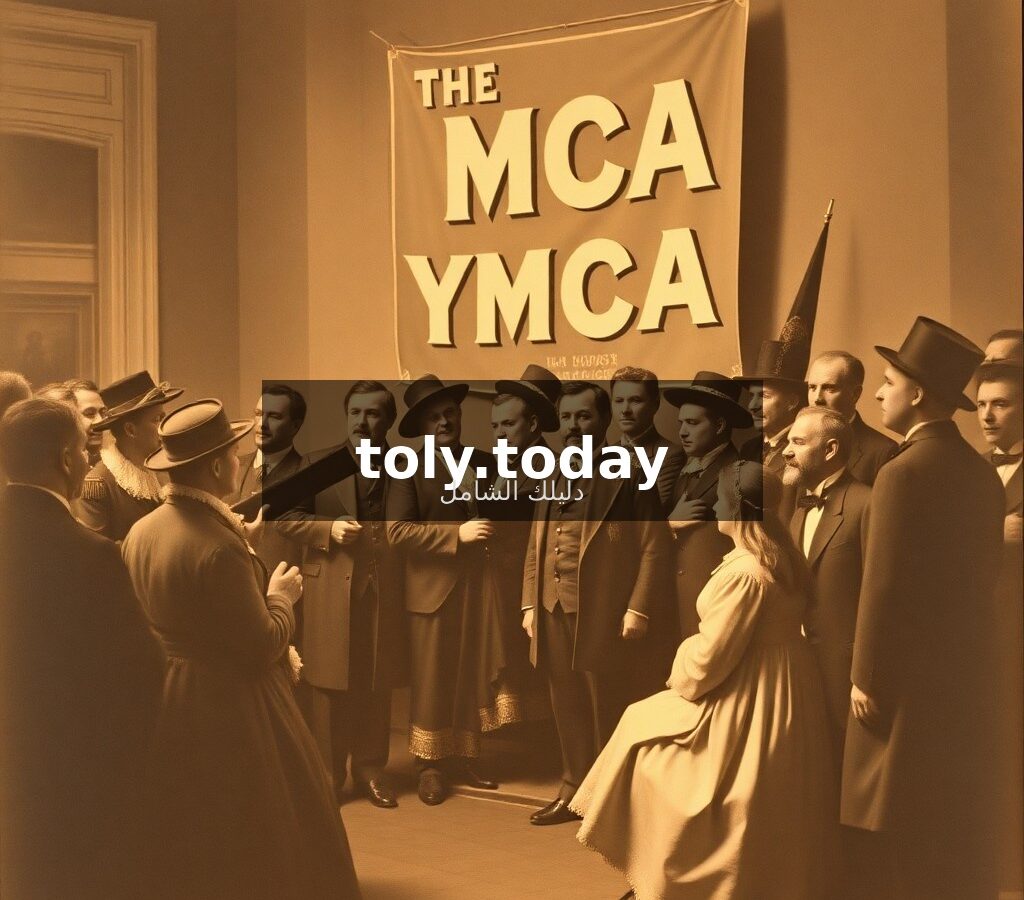
On June 6, 1844, in the heart of London, young George Williams had no idea that his simple idea would grow into one of the greatest humanitarian institutions in history. Working in a drapery shop, along with some colleagues, he founded the “Young Men’s Christian Association” (YMCA), with the goal of providing a safe place for young people away from the dangerous streets of London, where life was harsh and burdened by major social problems.
From a small room to a global movement
The idea began in a small room above the drapery shop but spread rapidly across Europe and then worldwide. It was not just a religious gathering but a practical response to the health and social challenges faced by industrial cities during the Industrial Revolution. YMCA pioneered education, sports, and clean housing, and established the world’s first indoor gymnasiums.
Over the decades, “Y” became a symbol of tolerance and coexistence. During World War I, it provided humanitarian services to soldiers on both sides and worked to reunite scattered families. In the 20th century, it expanded beyond its traditional role to become one of the largest providers of student and professional housing.
A legacy spanning centuries
Today, the movement includes more than 64 million members across 120 countries, continuing George Williams’ unchanged message after 180 years: building healthy communities, empowering youth, and serving humanity. If you ever pass by a building bearing the YMCA logo, remember it stems from a decision made by a group of young men in a small London room about a century and a half ago.