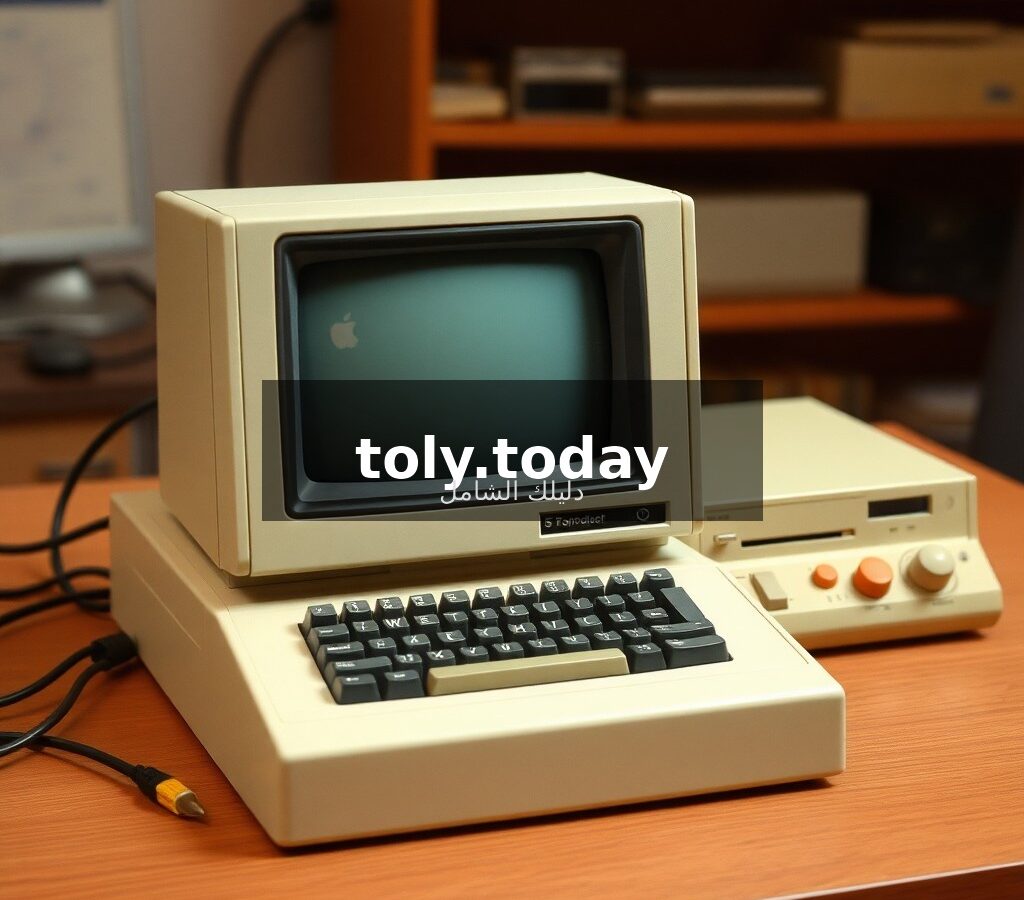
Half Launch — How the Tech Revolution Began on June 5, 1977
On June 5, 1977, Apple launched the world’s first personal computer — the Apple II. It was a small device, about the size of a traditional portable typewriter, yet packed with the power of a tiny computer compared to the massive university mainframes of the time. The device was built by Steve Wozniak and marketed by Steve Jobs and Ronald Wayne for $1,298 — an exorbitant price compared to the average cost of commercial computers at the time.
What Made the Apple II Stand Out?
Before the Apple II, personal computers were merely kits for hobbyists and specialists. They were complex machines with no user-friendly interfaces, requiring deep technical knowledge to operate. The Apple II changed that with its intuitive design and a price tag of $1,298 — still expensive by today’s standards but revolutionary for its era.
The Big Leap — From Bedrooms to the Stock Market
By 1980, Apple had sold over 300,000 Apple II units, firmly establishing itself in the market. The computer made programming and design accessible — no longer did users need to be technical experts to harness computing power.
Production of the Apple II continued until 1993, with over 5.9 million units sold worldwide. Compared to today — no one could have imagined that a pocket-sized smartphone would outperform these early computers.
Why Does It Matter Today?
By 2026, the devices in our pockets will outperform the most powerful computers of the 1970s by millions of times. Yet this revolution didn’t begin in the labs of tech giants, but in a California garage, by two young men named Steve Jobs and Steve Wozniak — and a small machine called the Apple II.