On June 8, 1937, at the Frankfurt Opera House, a loud and epic performance redefined modern classical music. The work? “Carmina Burana” by German composer Carl Orff. On that night, no one — neither the audience nor the critics — knew they were listening to an artistic work that would remain stuck in human memory for more than eighty years.
But what made a work about the Middle Ages become a modern event? The answers start from an unexpected source: a hidden manuscript.
From a medieval manuscript to an immortal work
In 1803, a collection of Latin and Middle High German poems was discovered in the Benedictine monastery of Beuren near Munich. This manuscript — named “Carmina Burana” or “Songs of Beuren” — was a collection of poems about love, drinking, and satire of religion in the Middle Ages. For Orff, who was looking for a new sound that combined authenticity and modernity, this was the lost treasure.
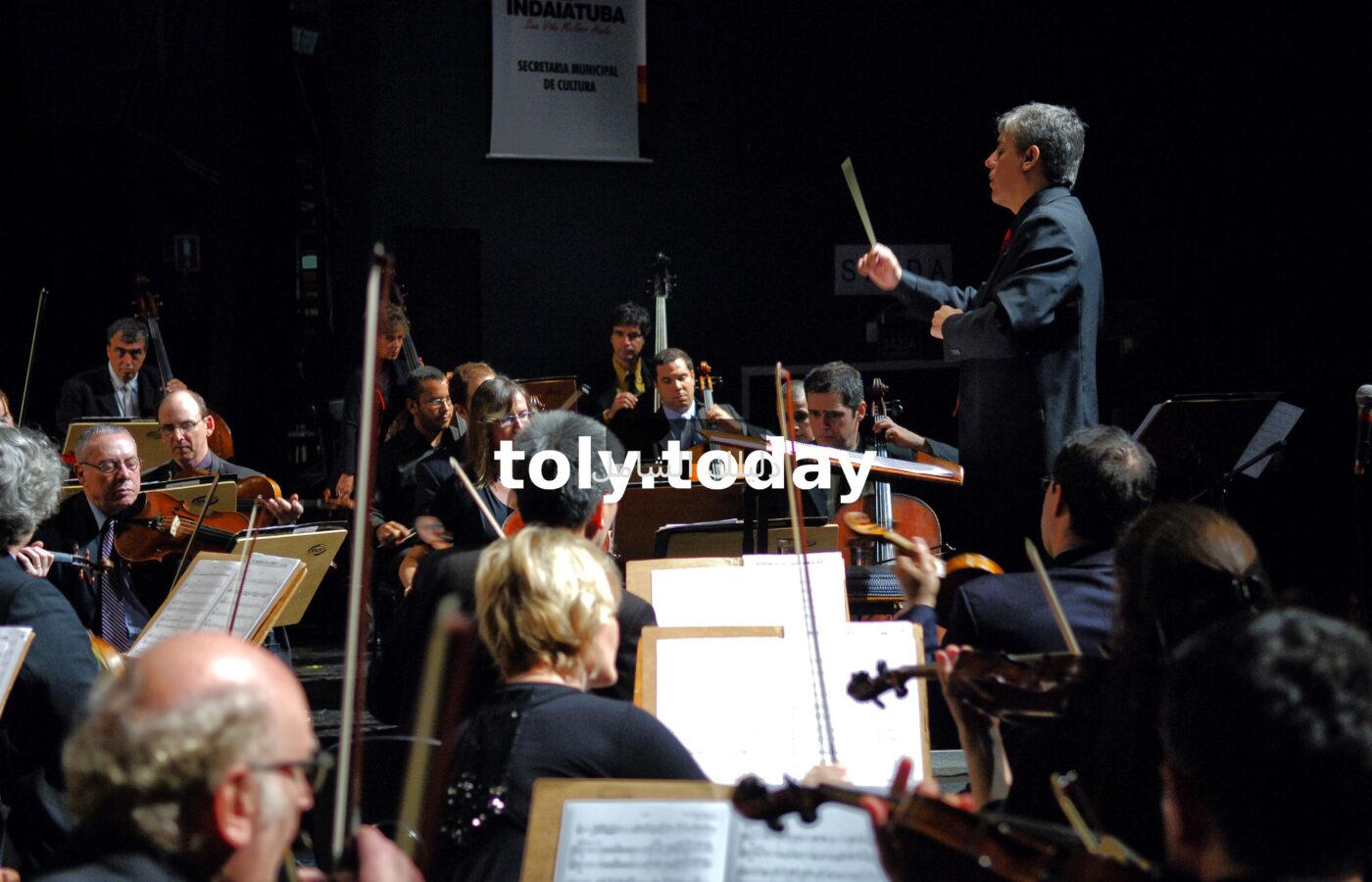
Orff’s difference from others was that he did not settle for traditional orchestral music; rather, he combined a massive choir — sometimes extending to nearly two hundred voices — with harsh rhythms and melodies reminiscent of ethnic music. The result: an integrated work that combines death and life, joy and remorse.
“O Fortuna” — an unforgettable moment
It’s certain that you’ve heard the “O Fortuna” piece at some point. The beginning of the work — which has become a popular influence in films, advertisements, and games — sang about the rotating wheel of fortune and life that does not stop. This piece alone, although it represents only a few minutes of a work that lasts a full hour, has become the face of the entire work.
But “Carmina Burana” is not just “O Fortuna”. Within the work, there are songs about gentle love, songs about spring, and hymns about drinking and intoxication that the choir performs with full enthusiasm. There is a sarcastic tone in the work that makes it different from the serious German opera of that time.
Why does this event matter today?
After more than eighty years, “Carmina Burana” is still being performed in the largest theaters in the world — from the German Wheelhouse to the Sydney Opera House. The work has not stopped at the boundaries of classical music, but has transcended it: it has been heard at World Cup ceremonies, open-air opera performances, and in films like “The Godfather” and the series “Game of Thrones”.
As for Orff — who continued to compose other works but without approaching the impact of Carmina — he designed his work to be a live experience. He once said that it is a platform, not just “melodies”; it is a platform for singing, dancing, and movement, away from static contemplation.
On June 8, 1937, Frankfurt did not know that it had witnessed a history that would live on endlessly. When the voices of the choir rose for the first time in “O Fortuna”, the world was listening — and not by force — to an unforgettable masterpiece.