Opening of the Gordie Howe International Bridge for Pedestrians and Cyclists: A Step Toward Strengthening Canadian-American Friendship
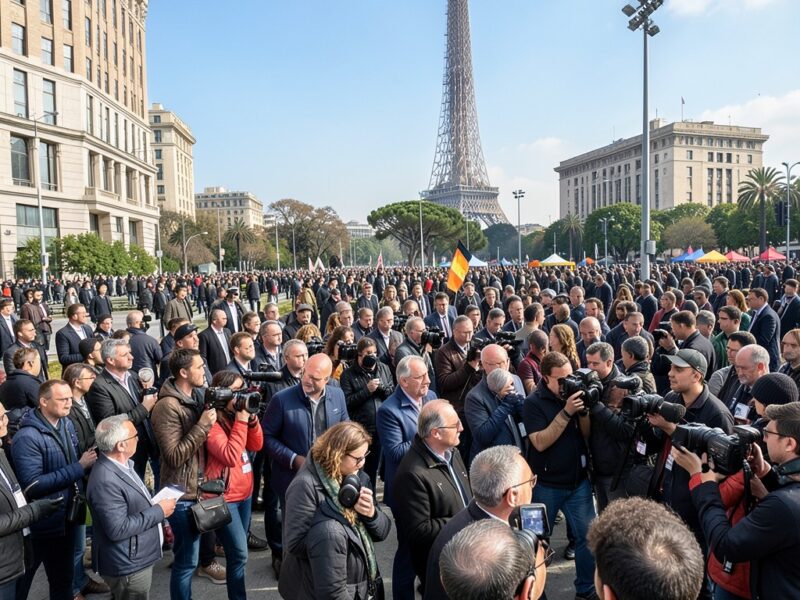
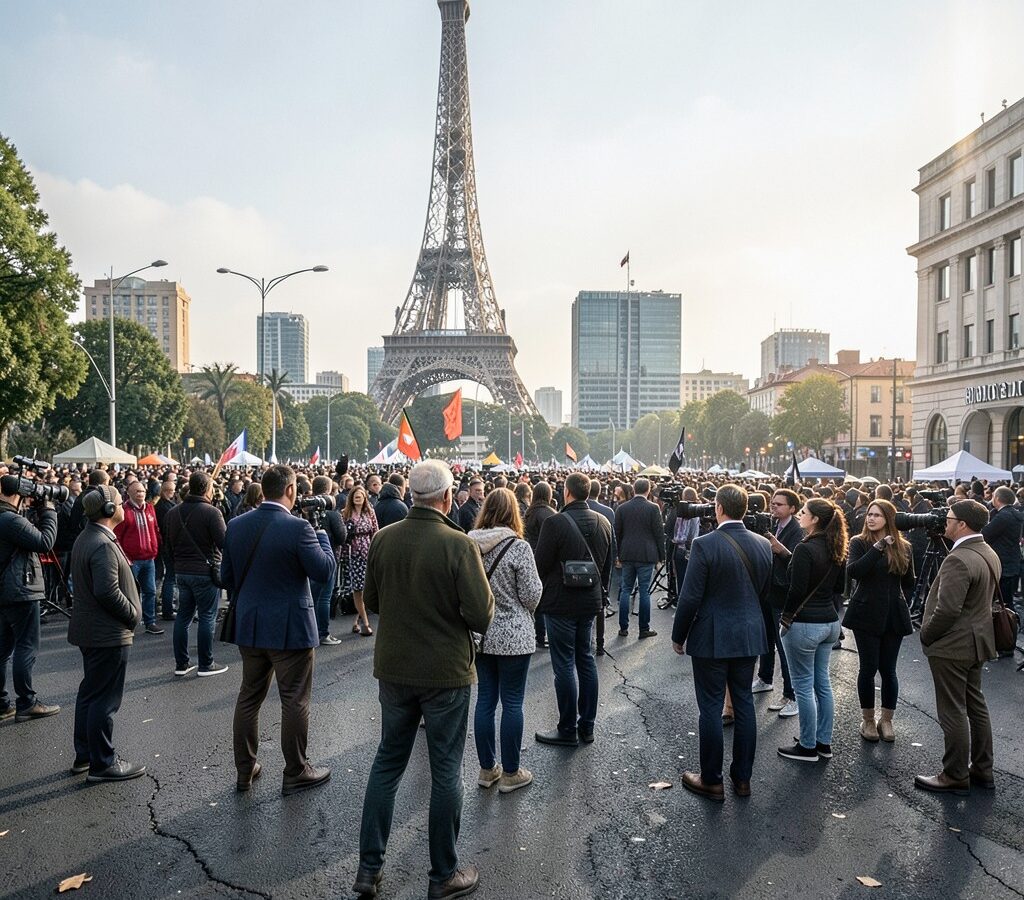
On the date of the news: August 5, 2026, the Gordie Howe International Bridge was opened to pedestrians and cyclists for the first time after decades of prohibition. Hundreds of people from Canada and the United States crossed the bridge, carrying flags and exchanging greetings, while local groups organized cycling events to encourage communication between the two sides.
A Simple Explanation of the Event
The Gordie Howe Bridge connects the Canadian city of Windsor to the American city of Detroit across the Detroit River. For many years, only vehicles were permitted to cross, while pedestrians and cyclists were prohibited from using it due to security and logistical concerns. On August 5, 2026, authorities removed these restrictions and opened a dedicated lane for pedestrians and cyclists, providing clear signage, inspection points, and instructions on carrying travel documents, even if the intention is not to enter the United States.
Analysis: Why Is This News Important?
The event symbolizes overcoming physical and psychological barriers between two neighboring countries with close economic ties but a history of recurring border tensions. Opening the bridge to pedestrians and cyclists reflects:
- Strengthening trust and cooperation through simple grassroots initiatives.
- Promoting eco-friendly transportation and reducing reliance on cars.
- Highlighting the value of daily cultural exchange between border communities.
According to available sources, this measure could become a model to be emulated at other border crossings around the world.
The Event’s Impact on the Region and the World
At the local level, it is expected that:
- The number of visitors and tourists choosing to cross on foot or by bike will increase, supporting the local economies of Windsor and Detroit.
- Traffic congestion on the vehicle-only bridge will decrease, saving time and cost for commuters.
- A sense of shared belonging among residents of border areas will be strengthened.
Globally, the event highlights the potential to transform traditional infrastructure into multi-use spaces that support sustainability and social harmony.
The Event’s Relation to Saudi Arabia or the Middle East (If Applicable)
There is no direct connection between the opening of this bridge and Saudi Arabia or Middle Eastern countries, but the news offers lessons that can be applied in the region:
- Encouraging similar projects for border crossings between Gulf states, such as the King Fahd Bridge connecting Saudi Arabia and Bahrain, to facilitate pedestrian and cyclist movement and boost domestic tourism.
- Using simple community events (such as raising flags and exchanging greetings) to build cultural bridges between neighboring populations.
According to available sources, some planners in Gulf countries are already studying the integration of pedestrian and cycling paths into future infrastructure projects, inspired by experiences like the Gordie Howe Bridge.
Future Expectations and Analysis
- The number of users of the pedestrian and cycling lanes will increase over time, especially with improved signage and the provision of facilities such as bike repair stations and water points.
- Similar initiatives are emerging at other border crossings between Canada and the United States, and may inspire other countries to reconsider their pedestrian crossing policies.
- An increase in non-motorized traffic could reduce local carbon emissions, supporting the climate goals of both countries.
Questions and Answers
Do pedestrians or cyclists need a visa to cross the bridge?
No, you do not need a visa solely to cross the bridge on foot or by bicycle. However, you must carry a valid travel document (passport or identity card) in accordance with customs requirements, even if you do not intend to enter the United States.
How long does it take to walk or cycle across the bridge?
According to estimates from the bridge authority, walking the three-kilometer distance through the checkpoints takes approximately 45 minutes, while cycling takes about 20 minutes.
Can a similar initiative be implemented on the King Fahd Causeway between Saudi Arabia and Bahrain?
Technically, yes; a dedicated path for pedestrians and cyclists could be added, along with appropriate inspection points. However, this would require security and logistical coordination between the two countries and an assessment of expected demand, according to available sources.
Source: ici.radio-canada.ca