Do you stand in front of your closet every morning feeling confused? You pick an outfit, wear it, then change it because it “doesn’t feel right”? Choosing the right clothes isn’t just about personal taste; it’s a skill you can learn. In this article, we’ll give you a practical guide to help you choose your clothes with confidence.
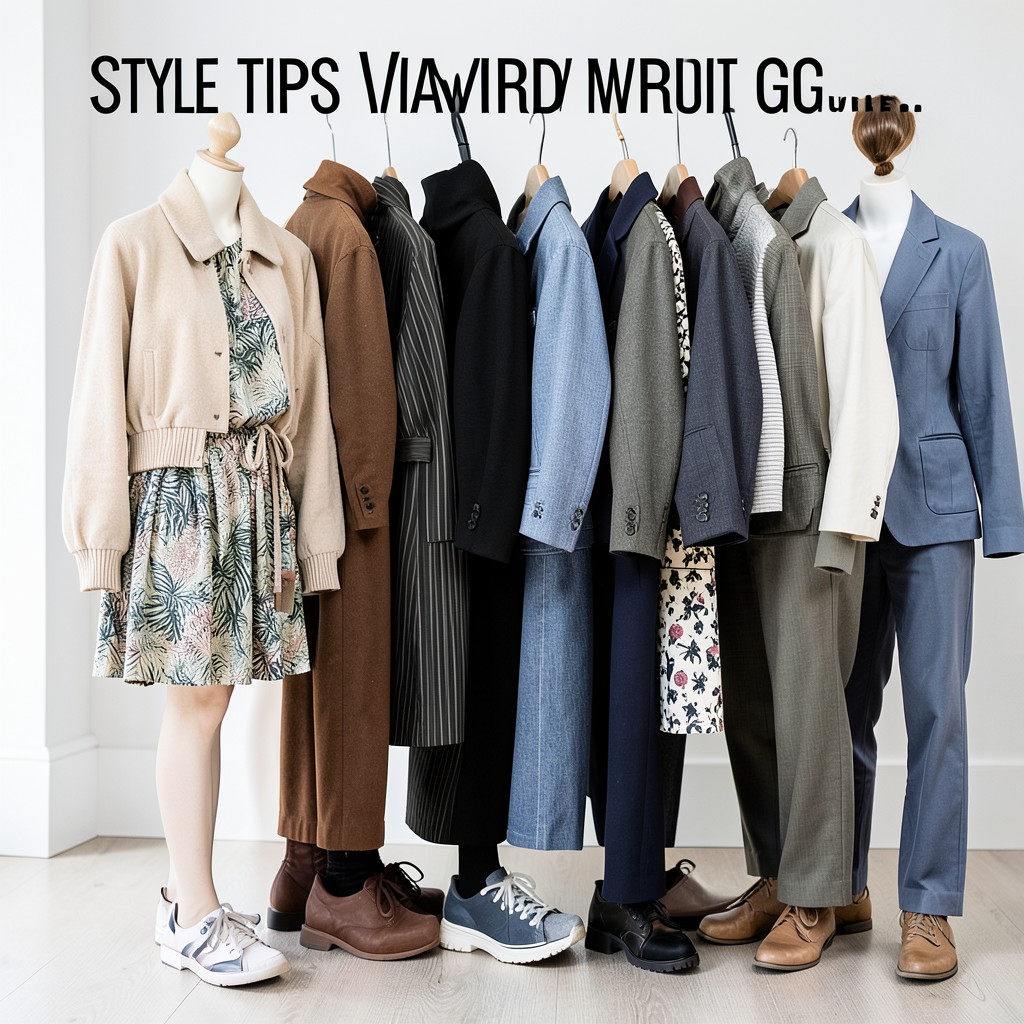
Basics of Choosing Clothes
The first and most important step: Know your body shape. Not every piece suits everyone, and that’s normal. Fashion experts divide body shapes into:
- Inverted Triangle: Broad shoulders with a narrow waist — you’ll suit wide cuts at the bottom.
- Rectangle: Shoulders, waist, and hips are similar — layers and curved cuts add movement.
- Hourglass: Shoulders and hips are equal with a defined waist — waist-defining clothes look great.
- Circle: Extra weight around the abdomen — straight cuts and cotton fabrics are best.
Colors That Suit You
In color theory, people are divided into four seasons: Spring (light warm colors), Summer (light cool colors), Autumn (dark warm colors), and Winter (dark cool colors). Choosing colors that suit your skin gives you a radiant look effortlessly. Try holding a white fabric and a beige one in front of your face to see which one highlights your features more.
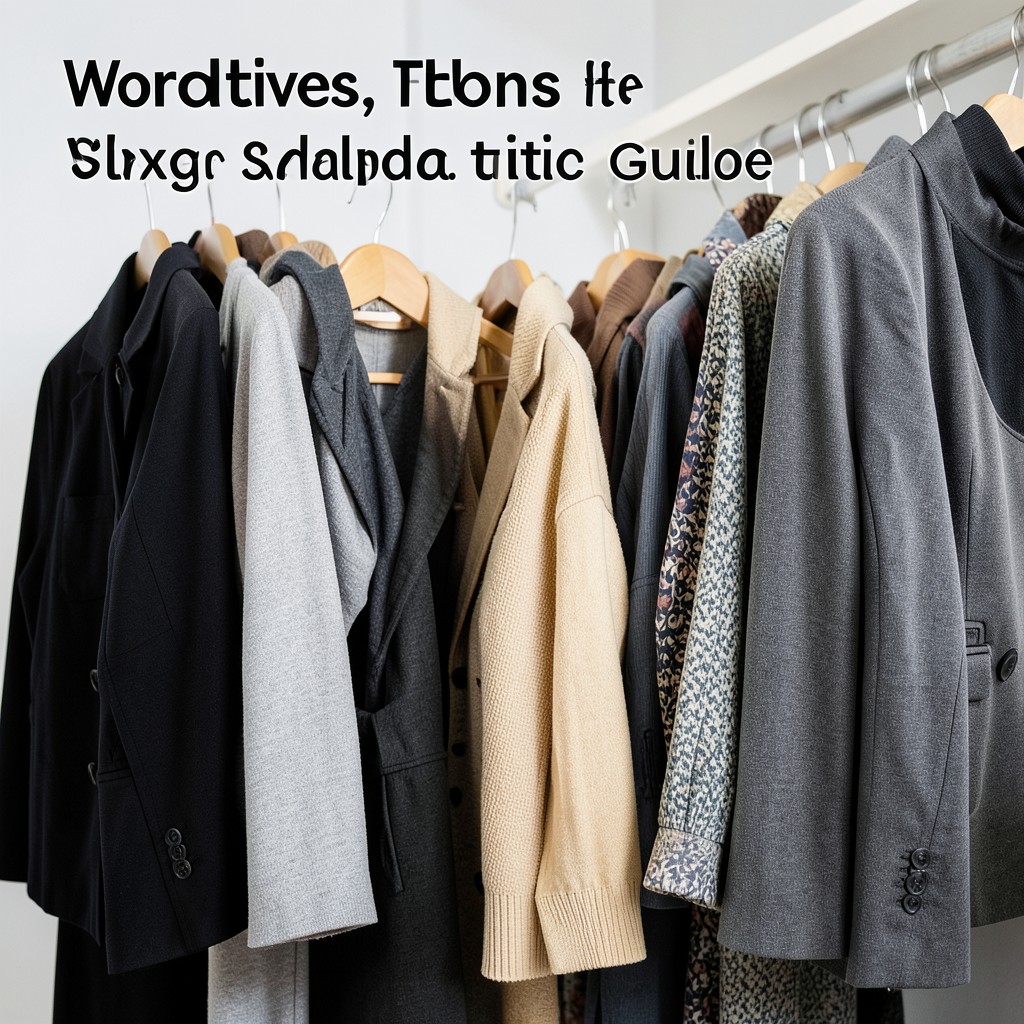
Essential Pieces in Any Closet
A successful wardrobe = versatile basics + distinctive pieces. The basics include:
- A clean-cut white and black t-shirt
- Classic dark jeans
- A simple blazer or jacket
- Elegant sneakers and formal shoes
- A dress or outfit suitable for occasions
Investing in quality is better than quantity. One piece of good fabric lasts years better than ten cheap pieces that wear out after two months.
Important Tips When Shopping
- Try before you buy: Sizes vary from brand to brand. Try the piece on and walk in it to ensure comfort.
- Pay attention to the fabric: Cotton and linen for summer, wool and cashmere for winter. Cheap polyester makes you sweat and gives you bad odor.
- The cut is more important than the size: You might be a size L, but if the cut isn’t right, even XL won’t fit.
- Coordination: The new piece should go with at least three pieces you already own. This is the “3-or-more” rule.
- Don’t buy just because of sales: Discounts don’t turn a bad piece into a good one. If you wouldn’t wear it at full price, you’ll regret it at any price.
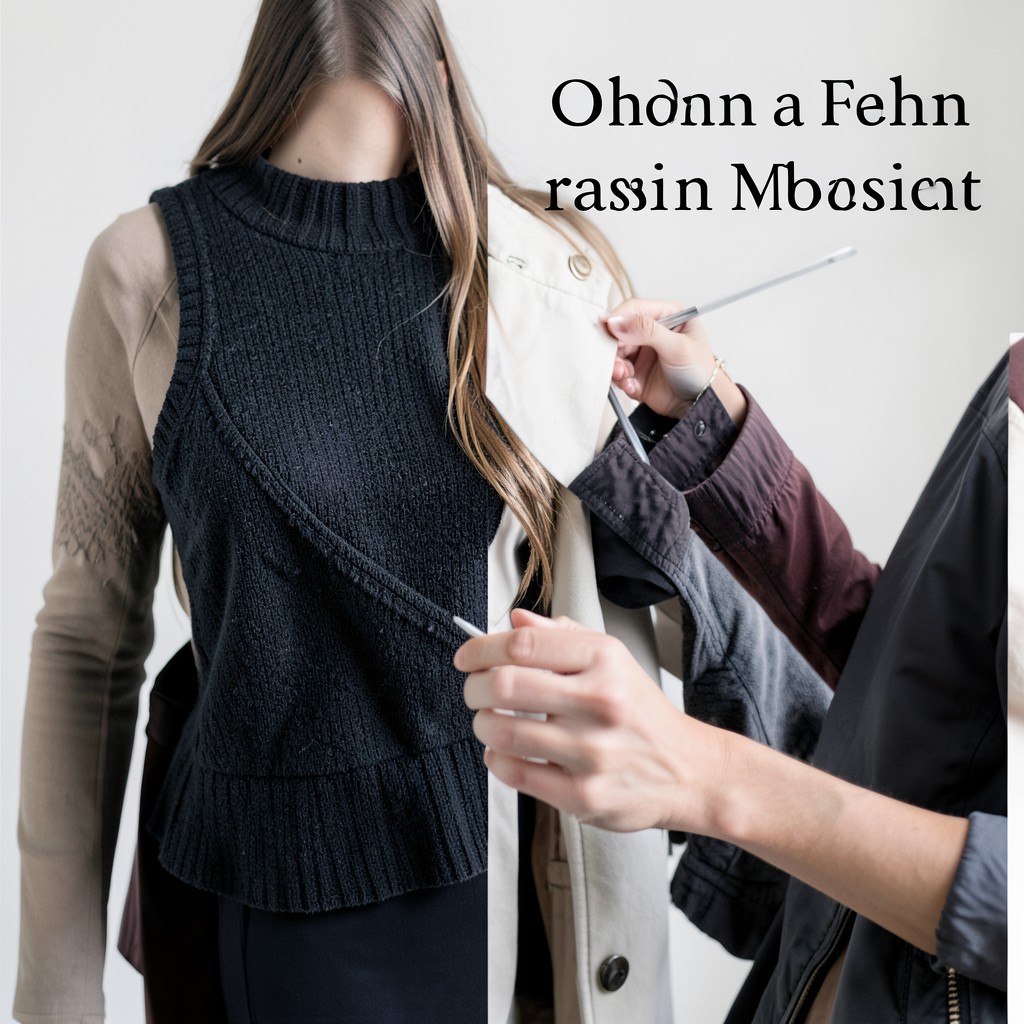
Daily Practical Application
The Capsule Wardrobe system has become globally popular: you choose only 30-40 pieces each season and mix and match them. This method saves you money and time while helping you look your best with minimal effort.
How do you start? Each season, take out all your clothes and organize them. Anything you haven’t worn in two years — donate it. Anything that doesn’t fit — sell it or give it away. Anything that needs alteration (hemming pants, changing buttons) — fix it. After that, the remaining 30-40 pieces will form the foundation of your wardrobe.
❓ Frequently Asked Questions
Who needs this guide?
Anyone looking to improve their style and confidently choose their clothes — men and women, professionals and students, fashion beginners and even experts. The principles apply to everyone.
Where can I buy suitable clothes?
In Saudi Arabia, there are many options: major shopping malls (Riyadh Park, Red Sea Mall, Alothaim Mall), online stores (Namshi, Shein, Noon, Amazon), and international brands (Zara, H&M, Massimo Dutti). More important than the place is knowing your size and preferred fabrics.
How much does it cost to build a good wardrobe?
It depends on your budget. A basic wardrobe of 30 mid-range quality pieces can cost around 1500-3000 SAR. High-quality pieces (international brands) can reach 10,000 SAR or more. Tip: Start with a few essential, high-quality pieces and gradually expand your wardrobe.
How long does the daily clothing selection process take?
With an organized wardrobe, you only need 5-10 minutes to choose your outfit. The secret is preparing coordinated looks the night before. Many people prepare their entire week’s outfits on Friday in just 20 minutes.
How can I ensure I get the right size?
Take your basic measurements (chest, waist, hips, arm length, leg length) with a measuring tape. Every store posts a size chart on its website. Compare your measurements with the chart. In Saudi Arabia, a Medium (M) size typically means a chest of 96-101 cm and a waist of 81-86 cm.