

Introduction
As exam season approaches, many students feel stress and anxiety. However, success in exams is not impossible; it requires an organized plan and smart study strategies. In this comprehensive guide, we will present you with the best exam preparation methods recommended by education experts to help you achieve the best possible results, God willing.
Good exam preparation does not just mean memorizing information; it means understanding it deeply and applying it with confidence. Effective study methods vary from person to person, but there are scientific principles that have proven effective for everyone.
1. Organize your time with a study schedule
The first step toward success is organizing your time. Create a study schedule that covers all subjects well before the exam. Use the Pomodoro technique: 25 minutes of focused study, followed by a 5-minute break. Repeat this cycle 4 times, then take a longer break. This method increases productivity and helps you maintain focus for longer periods.
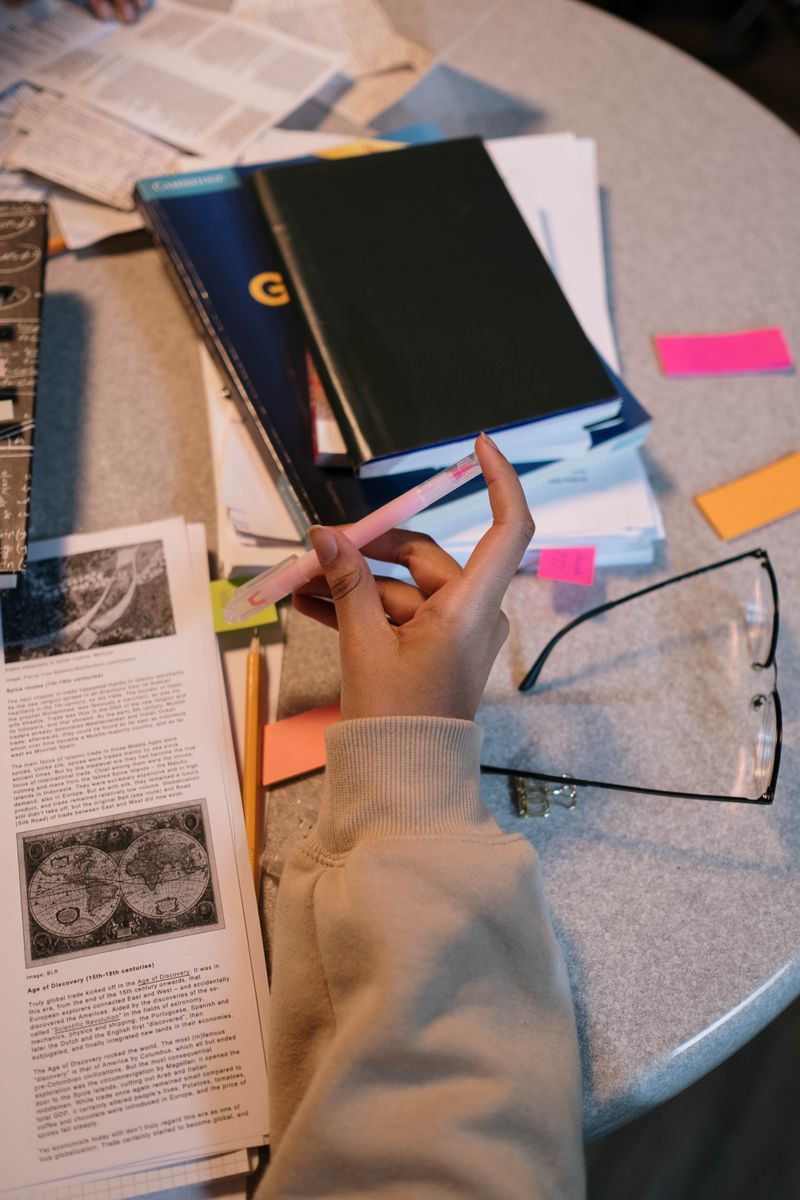
2. Use effective study methods
Spaced Repetition: Instead of reviewing the material once, space it out over several days. Review today what you studied yesterday, then after two days, and then after a week. This method solidifies information in long-term memory.
Active Recall: Test yourself continuously instead of just rereading. Close the book and ask yourself: “What do I know about this topic?” Scientific studies confirm that active recall doubles the amount of information retained.
Mind Maps: Draw a map of the topic, including main and sub-concepts. This helps you see the big picture and understand the relationships between ideas.
3. Prepare a suitable study environment
The study environment greatly affects your concentration. Choose a quiet, air-conditioned place with good lighting. Make sure your desk is organized and free of distractions like your phone and TV. Use noise-canceling headphones if you are in a crowded place.
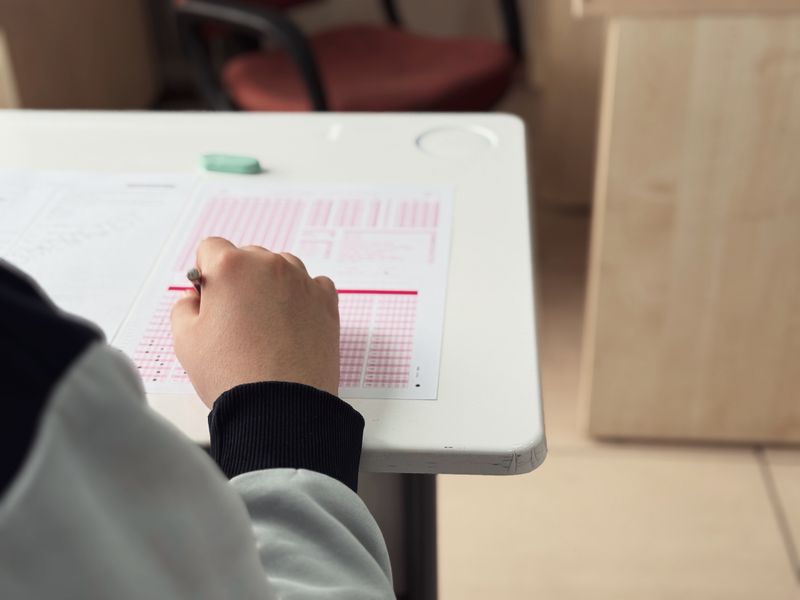
4. Physical and mental health matter
Studying for long hours without good sleep or nutrition leads to counterproductive results. Make sure to:
5. Important Tips for Exam Day
On exam day, follow these tips:
- Have a light, balanced breakfast containing protein and carbohydrates.
- Prepare your tools (pen, calculator, ID card) the night before.
- Pray Fajr and seek forgiveness – supplication brings peace of mind.
- Read all questions first, then start with the easiest and move to the hardest.
- Allocate your time to questions based on their marks, and don’t spend too long on a difficult question.
- If you feel anxious, take three deep breaths. This calms the nerves.
- Review your answers before submitting if time permits.
6. Avoid These Common Mistakes
- Cramming Last Minute: Intermittent studying is more effective than intensive studying before the exam.
- Staying Up the Night Before the Exam: Staying up reduces focus and weakens memory on the most important day.
- Comparing Yourself to Others: Everyone has their own abilities and study style, focus on your own progress.
- Overusing Stimulants: Too much coffee and energy drinks increase stress and affect sleep.
Frequently Asked Questions About Exam Preparation
Who needs an exam preparation plan?
Every student in any educational stage (middle school, high school, university, graduate studies). Even professionals taking certification exams need an organized plan.
Where can I study best?
At home in a quiet room with an organized desk, or in public libraries like King Fahd Library or university libraries. There are also quiet cafes and private libraries that provide a suitable study environment for a small fee.
What is the ideal preparation time for exams?
It varies depending on the subject and the amount of material. But the golden rule: start at least 3-4 weeks in advance. Leave the last week for comprehensive review and solving past exams.
How much does it cost to improve study skills?
Most tips and strategies are free! You can benefit from educational YouTube channels like “Drasti” and “Khaled Al-Najjar,” apps like Notion and Google Calendar to organize your time, and flashcard apps like Anki (free on Android) for spaced repetition.
How do I overcome exam stress?
Take deep breaths, remind yourself that you have studied and prepared, listen to Quranic verses or calming music, remember that the exam is just an evaluation and not the end of the world. Engage in light exercise and talk to someone you trust about your fears.
Good luck in your exams! Follow these tips, and you will see the difference in your academic performance, God willing. 🎓✨