
Many people suffer from stage fright and fear when speaking in front of a group of people. Whether it’s at a work meeting, a school presentation, or even a word at a family occasion. The good news is that the art of public speaking is an acquired skill that you can learn and develop over time. In this article, we will share with you the most important basics and tips that will help you become a confident and engaging speaker.
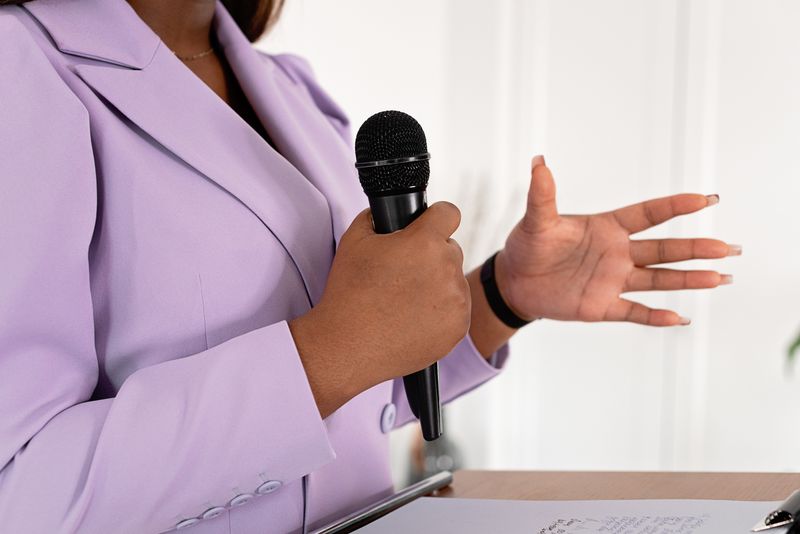
Why is public speaking important?
Public speaking skills are not just for politicians or celebrities. In our daily lives, you can use them in:
- Work: presentations, meetings, job interviews
- Study: presentations, participation in discussions
- Social life: words at events, speeches, even in family gatherings
- Entrepreneurship: marketing your project, presenting your idea to investors
Studies say that the fear of public speaking is one of the most common fears, but overcoming it opens many doors in your professional and personal life.
Basics of good public speaking
To be a successful speaker, there are 5 basics you need to focus on:
- Content preparation: Know what you’re going to say. Write down the main points, organize your thoughts, and make sure the information is clear and useful to your audience.
- Practice: Practice in front of a mirror or record yourself on your phone. The more you practice, the more confident you’ll become.
- Eye contact: Don’t focus on one spot. Distribute your gaze across the entire audience, and make each person feel like you’re speaking directly to them.
- Body language: Your posture, hand movements, and facial expressions convey a stronger message than your words. Be natural, use hand gestures, and smile.
- Voice and tone: Varying your tone and pace keeps the audience engaged. Don’t speak in a monotonous tone.

How to overcome stage fright?
Stage fright is normal, even professionals feel it. The difference is that they know how to deal with it. Try these tips:
- Breathe deeply: Take 4 deep breaths before you start. Oxygen calms the nerves.
- Turn tension into enthusiasm: Physical tension has the same signs as enthusiasm. Tell yourself, “I’m excited, not scared.”
- Start with a story: Begin your speech with a question or a short story to ease tension and engage the audience.
- Focus on the message, not yourself: Think that you’re here to help people, not to prove yourself.
- Accept that you don’t have to be perfect: Minor mistakes are normal. If you make a mistake, just continue.
Benefits of Learning Public Speaking
When you learn the art of public speaking, you’ll notice a big difference in:
- Increased Self-Confidence: The first time you stand up and speak in front of people and see their reaction, your confidence will grow.
- Career Opportunities: Employers love employees who can present their ideas clearly.
- Greater Influence: Those who know how to speak, people listen to them and take their advice.
- Networking: Good speakers attract people and build wider connections.
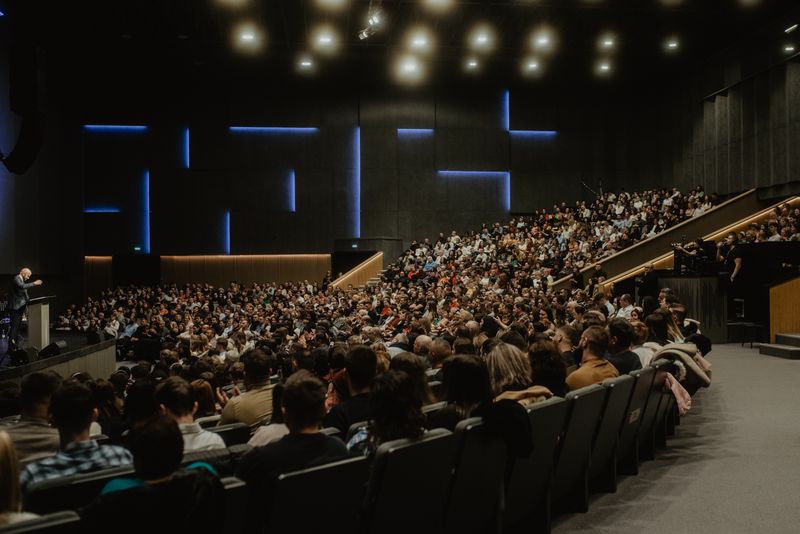
Common Public Speaking Mistakes
Avoid these mistakes so you don’t ruin your efforts:
- Reading from a Paper or Slide: This kills engagement. Use small cards for key points instead.
- Speaking Too Fast: Nervousness makes you speak faster than usual. Slow down and pause between sentences.
- Looking at the Floor or Ceiling: This makes the audience feel you’re not interested. Make eye contact with people.
- Filler Words: Avoid overusing words like “uh” and “um.” Practice silence instead.
- Ignoring the Audience: Watch their reactions. If you see them yawning, change your approach.
Practical Tips to Improve Public Speaking
- Join a Speaking Club: In Saudi Arabia, there are Toastmasters clubs in many cities.
- Record Yourself: Watch your videos and work on improving what you see.
- Ask for Feedback: A trusted friend or colleague who gives honest feedback.
- Watch Professional Speakers: TEDx is full of excellent speakers you can learn from.
- Start with a Small Audience: Practice in front of family or friends before the big event.
❓ Frequently Asked Questions
Who needs to learn public speaking?
Anyone who needs to speak in front of people. Employees, students, managers, business owners, or even heads of households. Everyone benefits.
Where can I learn public speaking skills?
There are training centers, Toastmasters clubs in Saudi cities, online courses like Udemy and Coursera, and specialized YouTube channels. Even mosques and schools can help develop this skill.
How much do training courses cost?
There are free options: Toastmasters clubs allow free visits, and YouTube is full of free content. Paid courses start from 100 SAR for basic registration and can go up to 1,000–3,000 SAR for advanced courses.
How long does it take to learn public speaking?
You can learn the basics in a few weeks, but mastery takes months of practice. Some notice significant improvement after the first 3–6 months of regular training.
How can I advance my skills?
Set a goal (what do you want to master?), find a nearby club or course, dedicate weekly time to practice, and
Your first opportunity in front of an audience. The beginning is the hardest step.
In the end, remember that every professional speaker was once a beginner. The only difference is that they persisted and did not give in to fear. Try applying these tips, and little by little you will notice the difference. Skill is not innate, it comes with practice.