Water is the most valuable natural resource on Earth, and with increasing pressure on water sources in the Kingdom and the world, rationalizing water consumption at home has become a necessity, not a luxury. In this comprehensive guide, we provide you with practical and proven methods to reduce your water bill and preserve this precious resource.
Why is rationalizing water consumption important?
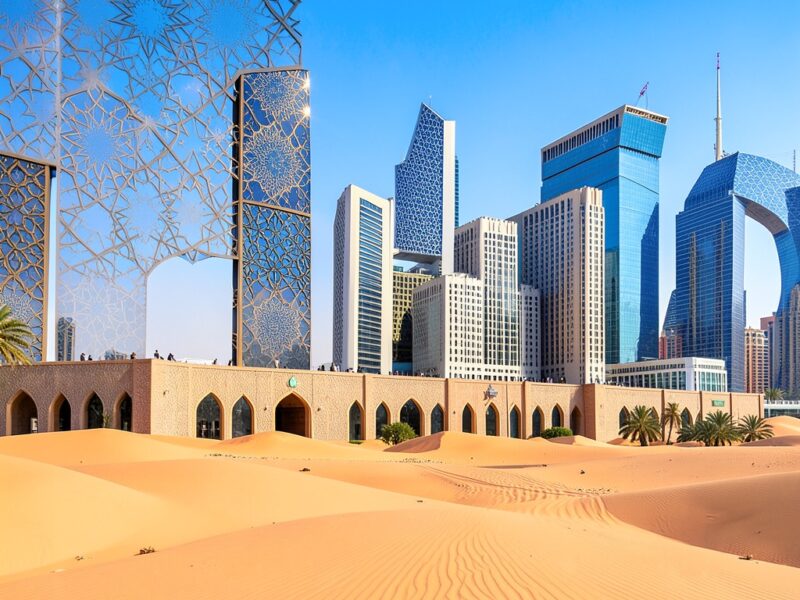
The Kingdom of Saudi Arabia relies heavily on seawater desalination, which is a costly process that consumes a lot of energy. Every drop of water we save at home means reducing the pressure on desalination plants and saving electricity and water bills at the same time. According to recent environmental studies, the average Saudi family can save between 20% to 40% of water consumption by following simple practices.
Ways to rationalize water consumption in the bathroom
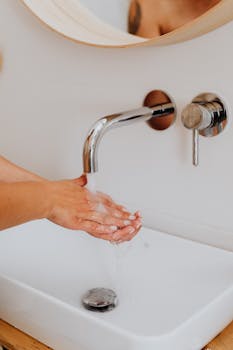
The bathroom is the largest consumer of water in the home, accounting for about 60% of domestic consumption. Here are the most prominent ways to save:
- Installing aerators on faucets: these small and inexpensive pieces reduce water flow by 50% without affecting the driving force.
- Fixing leaks immediately: one drop of water per second wastes more than 11,000 liters per year.
- Reducing shower time: every minute you reduce from your shower time saves about 15 liters of water.
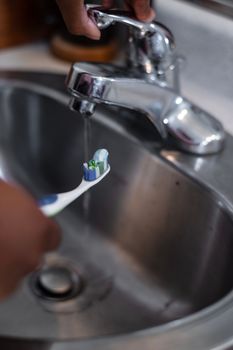
- Closing the faucet while brushing teeth: this simple habit saves up to 8 liters per minute.
- Using a water-saving showerhead: low-flow showerheads reduce consumption by up to 40%.
Rationalizing water consumption in the kitchen
The kitchen comes second in terms of water consumption. Here are some golden tips:
- Washing vegetables in a bowl: instead of leaving the faucet open, wash vegetables in a bowl filled with water, then use the leftover water to water plants.
- Running the dishwasher only when it’s full: modern dishwashers use less water than hand washing if they are run at full capacity.
- Thawing frozen foods in the refrigerator: instead of using running water, take food out of the freezer well in advance.
- Using a pressure cooker: it reduces cooking time and therefore the water consumption used in cooking.

Water Conservation in the Garden and Car Washing
If you have a home garden or wash your car yourself, here are some tips for you:
- Choose local drought-tolerant plants: such as palm trees, oleander, and cactus, they require less water.
- Water in the early morning or evening: reduces evaporation by up to 30% compared to watering at noon.
- Use drip irrigation: 40-60% more efficient than open hose watering.
- Wash your car with a bucket: using a bucket instead of a hose saves over 300 liters per wash.
Additional Smart Tips
- Collect air conditioner water: air conditioners produce condensed water that can be used for watering and cleaning.
- Reuse rice washing water: rice washing produces starchy water, excellent for watering plants.
- Install dual-flush toilets: offers two flushing options — less water for liquid waste and more for solid waste.
- Monitor your water meter monthly: helps you detect any hidden leaks you may not notice.
❓ Frequently Asked Questions about Water Conservation
Who needs to conserve water?
Every household and anyone who wants to save money and protect the environment. Water conservation is everyone’s responsibility, from children to adults, and in all homes, whether you’re in a villa or an apartment.
Where can water conservation be applied?
In all areas of the home: bathroom, kitchen, garden, and laundry room. Even outside the home when washing your car or cleaning the surface. Anywhere water is used can be conserved.
How much do water-saving devices cost?
Faucet aerators start from 10-20 riyals only. Low-flow showerheads cost around 50-100 riyals. Dual-flush toilets start from 120 riyals. The investment is simple compared to the significant savings on your water bill.
How long until I see the savings results?
As soon as you apply the tips, you’ll notice the difference in your next monthly water bill. Some changes, like fixing leaks, give immediate results, while installing water-saving devices may take a month to see the difference.
How do I ensure there are no water leaks in my home?
Turn off all faucets and appliances that use water, then read your water meter before bedtime. In the morning, if the meter has changed despite not using water, you have a leak that needs to be fixed immediately.
Conserving water is not just about saving on your bill, but it’s a lifestyle that protects our most valuable resource and ensures its sustainability for future generations. Start today with one simple step, and you’ll see the difference for yourself.