Imagine waking up in the middle of the night to a sharp pain in your lower back or side of your abdomen, a pain that doesn’t subside or stop, making you toss and turn in bed searching for a comfortable position. This pain — which many describe as one of the most intense pains a human can endure — may be a sign of kidney stones. In this comprehensive guide, we’ll take you on a thorough journey to understand this common health issue, from its causes and symptoms to the latest treatment and prevention methods.
Kidney stones affect nearly 1 in 10 people worldwide at some point in their lives, with higher prevalence in hot regions like Saudi Arabia, where dehydration is a major risk factor. The good news is that most kidney stones can be prevented with simple steps.
What Are Kidney Stones and How Do They Form?
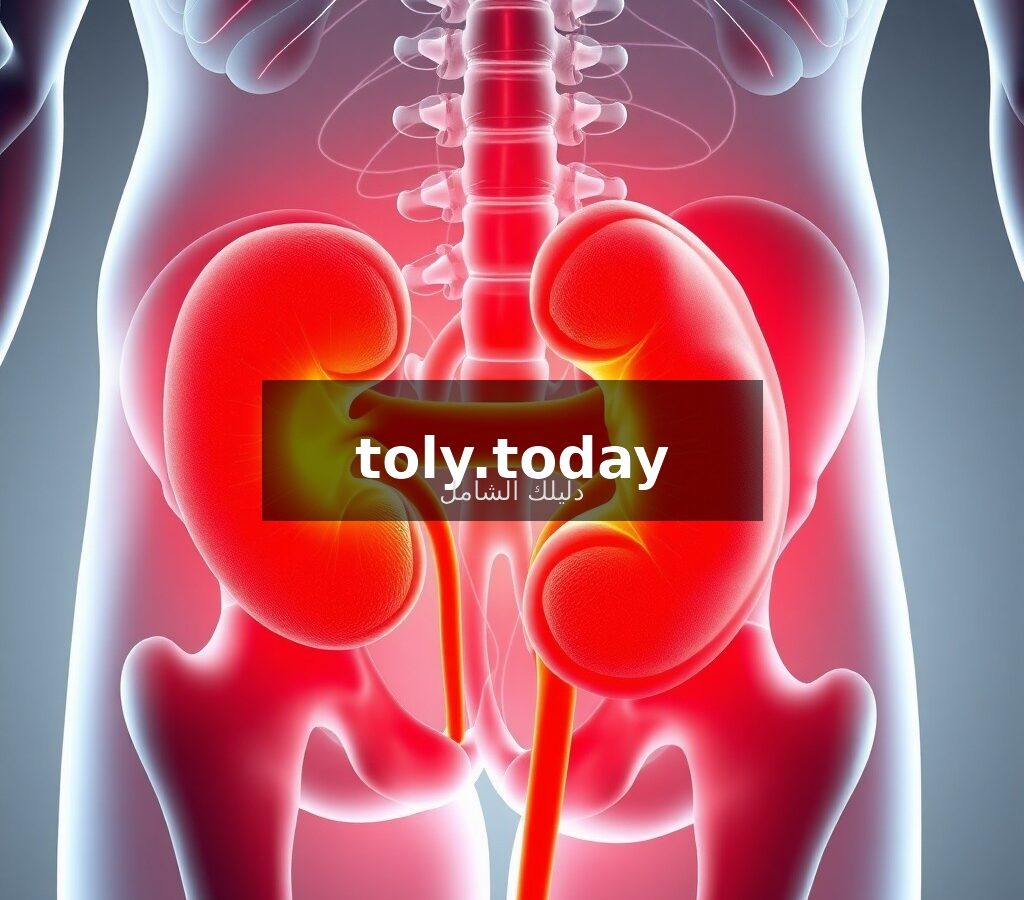
Kidney stones (Kidney Stones) are hard deposits made of minerals and salts that crystallize inside the kidneys. These stones form when urine becomes highly concentrated, allowing minerals to crystallize and stick together, forming small or large stones.
Kidney stones vary in size; they can be as tiny as a grain of sand, passing unnoticed with urine, or grow as large as a golf ball, causing severe pain and serious complications.
The Four Main Types of Kidney Stones
- Calcium Stones (Calcium Stones): The most common type, accounting for about 80% of cases. They are often made of calcium oxalate or calcium phosphate.
- Uric Acid Stones (Uric Acid Stones): Result from high uric acid levels in urine, more common in those who consume high-protein diets or have gout.
- Struvite Stones (Struvite Stones): Form due to chronic urinary tract infections and can grow quickly to large sizes.
- Cystine Stones (Cystine Stones): Rare and caused by a genetic disorder called cystinuria, where the kidneys excrete large amounts of the amino acid cystine.
Causes of Kidney Stones and Risk Factors
Several factors increase the risk of developing kidney stones, including:
- Dehydration and not drinking enough fluids: The most common cause, especially in hot climates or during exercise without replenishing lost fluids.
- Unhealthy diet: Excessive consumption of oxalate-rich foods (such as spinach, rhubarb, and chocolate), salt, and animal protein increases the risk of stone formation.
- Obesity and excess weight: Obesity is linked to a higher risk of kidney stones, especially in women.
- Certain medical conditions: Such as gout, recurrent urinary tract infections, inflammatory bowel diseases (Crohn’s disease and ulcerative colitis), and hyperthyroidism.
- Family history: The likelihood of developing kidney stones increases if a family member has had them before.
- Certain medications: Such as diuretics, antacids containing calcium, and some epilepsy medications.
Early Symptoms of Kidney Stones
Not everyone with kidney stones experiences symptoms. Small stones may pass unnoticed. However, when a stone moves or causes a blockage, symptoms appear.
The following:
- Severe and intermittent pain in the lower back or side (just below the ribs), which may extend to the lower abdomen and groin area. The pain comes in waves and changes in intensity.
- Pain or burning during urination, and the patient may feel an urgent and frequent need to urinate.
- Appearance of blood in the urine, which may be pink, red, or brown.
- Nausea and vomiting accompanying severe pain.
- Fever and chills, which are serious signs indicating inflammation or infection in the kidneys — and require immediate medical attention.
- Passing small amounts of urine or sometimes complete cessation of urine in severe cases.
According to the recommendations of the Saudi Ministry of Health, you should go to the emergency room immediately if the pain is severe enough to prevent you from sitting or moving, or if it is accompanied by fever or chills.
Diagnosis of kidney stones
When you see a doctor, they will take several steps to accurately diagnose your condition:
- Clinical examination: to confirm the location of the pain and rule out other causes.
- Urine analysis: to detect the presence of blood, infection, or mineral crystals in the urine.
- Blood tests: to measure calcium and uric acid levels and evaluate kidney function.
- CT scan: the most accurate test for determining the size and location of the stone. Ultrasound (Ultrasound) can also be used as a lower-radiation alternative.
Treatment options: from home remedies to surgery
Treatment for kidney stones depends on the size, location, and type of the stone, as well as the severity of the pain it causes.
1. Home treatment for small stones
Most small stones (less than 5 mm) can pass on their own by drinking plenty of water. Home treatment includes:
- Drinking 2.5–3 liters of water daily to help pass the stone.
- Over-the-counter pain relievers such as paracetamol or ibuprofen.
- Using muscle relaxants prescribed by the doctor to relieve spasms in the ureter.
2. Non-surgical treatments for medium-sized stones
When the stone does not pass on its own, doctors resort to advanced techniques:
- Extracorporeal Shock Wave Lithotripsy (ESWL): uses high-energy sound waves to break the stones into small pieces that can be passed in the urine. A non-surgical procedure that takes 30–60 minutes.
- Ureteroscopy: the doctor passes a thin tube through the urethra and ureter to the location of the stone, then uses a laser to break it up. Suitable for stones in the ureter and kidney.
3. Surgery for large or complex stones
In rare cases where the stones are very large (more than 2 cm), the patient may need percutaneous nephrolithotomy (PCNL), where the surgeon makes a small incision in the back to remove the stone directly.
5 practical tips for preventing kidney stones
- Drink enough water daily: Aim to drink 8–10 glasses of water (about 2–2.5 liters) to help prevent stone formation.
- شرب الماء: يجب شرب ما لا يقل عن 8-10 أكواب (64 أونصة أو 2 لتر) عادة يومية. مؤشر نجاحك هو أن يكون لون بولك أصفر فاتحاً شفافاً.
- قلل من الملح في طعامك: الصوديوم يزيد من كمية الكالسيوم في البول، مما يزيد خطر تكون الحصوات. تجنب الأطعمة المعلبة والمصنعة والمخللات.
- تناول الكالسيوم من مصادره الطبيعية: خلافاً للاعتقاد الشائع، تناول الكالسيوم الطبيعي (من منتجات الألبان) يقلل خطر الحصوات، بينما مكملات الكالسيوم قد تزيده. تناول الحليب والزبادي والجبن باعتدال.
- حد من البروتين الحيواني واللحوم الحمراء: الإفراط في اللحوم يرفع حمض البوليك في البول. يُنصح بتناول بدائل نباتية للبروتين مثل البقوليات والمكسرات.
- تجنب المشروبات الغازية والمحلاة: تحتوي المشروبات الغازية الداكنة على حمض الفسفوريك الذي يزيد خطر حصوات الكلى. استبدلها بالماء أو عصير الليمون الطازج — حيث يساعد السترات الموجود في الليمون على منع تكون الحصوات.
خرافات وحقائق عن حصوات الكلى
الخرافة: “شرب الحليب يسبب حصوات الكلى”
الحقيقة: العكس صحيح. الكالسيوم الطبيعي من الطعام يقلل من خطر تكون حصوات الكلى، لأنه يرتبط بالأكسالات في الأمعاء ويمنع امتصاصها للدم والوصول إلى الكلى. المشكلة الحقيقية هي مكملات الكالسيوم غير المنتظمة، وليس الحليب الطبيعي.
الخرافة: “حصوات الكلى تصيب الرجال فقط”
الحقيقة: صحيح أن الرجال أكثر عرضة للإصابة بحصوات الكلى (بنسبة 2:1 تقريباً مقارنة بالنساء)، لكن النساء أيضاً يصبن بها. وقد ارتفعت معدلات الإصابة بين النساء في السنوات الأخيرة، خاصة مع زيادة معدلات السمنة.
الخرافة: “بمجرد إزالة الحصوة، ينتهي الأمر”
الحقيقة: للأسف، نسبة تكرار الإصابة بحصوات الكلى مرتفعة. حوالي 50% من المصابين يعانون من حصوات جديدة خلال 5-10 سنوات إذا لم يغيروا عاداتهم الغذائية. الوقاية المستمرة هي المفتاح الحقيقي.
الأسئلة الشائعة عن حصوات الكلى
هل يمكن أن تسبب حصوات الكلى فشلاً كلوياً؟
في معظم الحالات، لا تسبب حصوات الكلى فشلاً كلوياً دائماً. لكن إذا تركت حصوة كبيرة دون علاج وتسببت في انسداد كامل للمسالك البولية لفترة طويلة، فقد تؤدي إلى تلف دائم في الكلى. لهذا من المهم علاج الحصوات الكبيرة والمسببة للانسداد في وقت مبكر.
هل عصير الليمون مفيد حقاً لعلاج حصوات الكلى؟
نعم، عصير الليمون غني بحمض الستريك (السيترات)، الذي يساعد على منع تكون حصوات الكالسيوم عن طريق الارتباط بالكالسيوم وتقليل تبلوره في البول. يمكن إضافة عصير نصف ليمونة إلى الماء وشربه يومياً. لكنه لا يذيب الحصوات الموجودة، بل يساعد في الوقاية من حصوات جديدة.
متى يجب مراجعة الطبيب فوراً؟
يجب التوجه إلى أقرب طوارئ فوراً إذا كنت تعاني من:
ألم شديد لا يحتمل ويمنعك من الحركة → حمى أو قشعريرة → دم واضح في البول → صعوبة أو انقطاع في التبول. هذه العلامات قد تشير إلى التهابات خطيرة أو انسداد كامل.
في النهاية، تذكّر أن حصوات الكلى مشكلة شائعة لكن يمكن التعامل معها والوقاية منها. المفتاح هو شرب الماء بكثرة، وتناول طعام متوازن، ومراجعة الطبيب عند ظهور أي أعراض مقلقة. صحتك ثروتك، والوقاية خير من العلاج.
Sources: Mayo Clinic, WebMD, Saudi Ministry of Health, National Kidney Foundation