Imagine a city carved into rock, with its majestic facades and meticulously carved tombs, dating back over 2,000 years, awaiting you in northern Saudi Arabia. This is Mada’in Shu’ayb, one of the greatest Nabataean archaeological sites in the Arabian Peninsula, which remains off the beaten path despite being no less beautiful or significant than the famous Mada’in Saleh.
Mada’in Shu’ayb is located in the Tabuk region, about 110 kilometers southwest of Tabuk city, in a stunning valley surrounded by sandy mountains. The site, which dates back to the Nabataean period (1st century BCE – 2nd century CE), features more than 13 tombs carved into towering rock faces, as well as the remains of a temple, grape presses, and an advanced water system. It is a true archaeological treasure waiting to be discovered.
Historical Overview — From the Nabataeans to the Islamic Name
The name Mada’in Shu’ayb is associated with the Prophet Shu’ayb, peace be upon him, who is believed to have lived in this region and was sent to the people of Madyan. The site itself dates back to the Nabataean civilization, the same civilization that built Petra in Jordan and Mada’in Saleh (Hegra) in AlUla. The Nabataeans were the masters of trade in ancient Arabia, and they carved their cities into rock with unparalleled skill that continues to inspire awe to this day.
Mada’in Shu’ayb was an important stop on the ancient trade route that connected southern Arabia to Syria and Egypt. The site contains the remains of a complete Nabataean city, including rock-cut facades (tombs), a temple, the remains of a market, grape presses, water channels, and reservoirs carved into the rock. The Thamudic and Lihyanite inscriptions scattered throughout the site indicate that this area was inhabited even before the Nabataeans.
The site is named Mada’in Shu’ayb after the Prophet Shu’ayb, as local Islamic traditions link the area to the story of Shu’ayb and the people of Madyan mentioned in the Quran. Some researchers believe the site may be the same as “Maghayir Shu’ayb” mentioned in early Islamic historical sources.
Location and How to Get There
Mada’in Shu’ayb is located in northwestern Saudi Arabia, within the Tabuk region:
- 🚗 110 km southwest of Tabuk city (about an hour and a half by car)
- 🚗 300 km north of AlUla city (about 3 hours)
- 🚗 1,000 km northwest of Riyadh (about 10 hours)
Getting there from Tabuk: Take the Tabuk — Duba road (Highway 80) heading west, then turn left at the signposts toward Mada’in Shu’ayb. The paved road leads you to 10 kilometers before the site, after which you will need a four-wheel-drive (SUV) vehicle to navigate the rough sandy road leading to the valley.
Getting there from AlUla: Take the AlUla — Tabuk road (Highway 85) north, passing through Khaybar and Tayma. The distance is about 300 kilometers and takes about 3 hours. After arriving in the Mada’in Shu’ayb area, you will need to head west via a sandy road.
Important tip: Use Google Maps and enter “Mada’in Shu’ayb” as your destination. It is also advisable to download an offline map of the area, as mobile network coverage is weak in some parts of the route.
Activities and Experiences at the Site
🏛️ Exploring the Rock Facades (Nabataean Tombs)
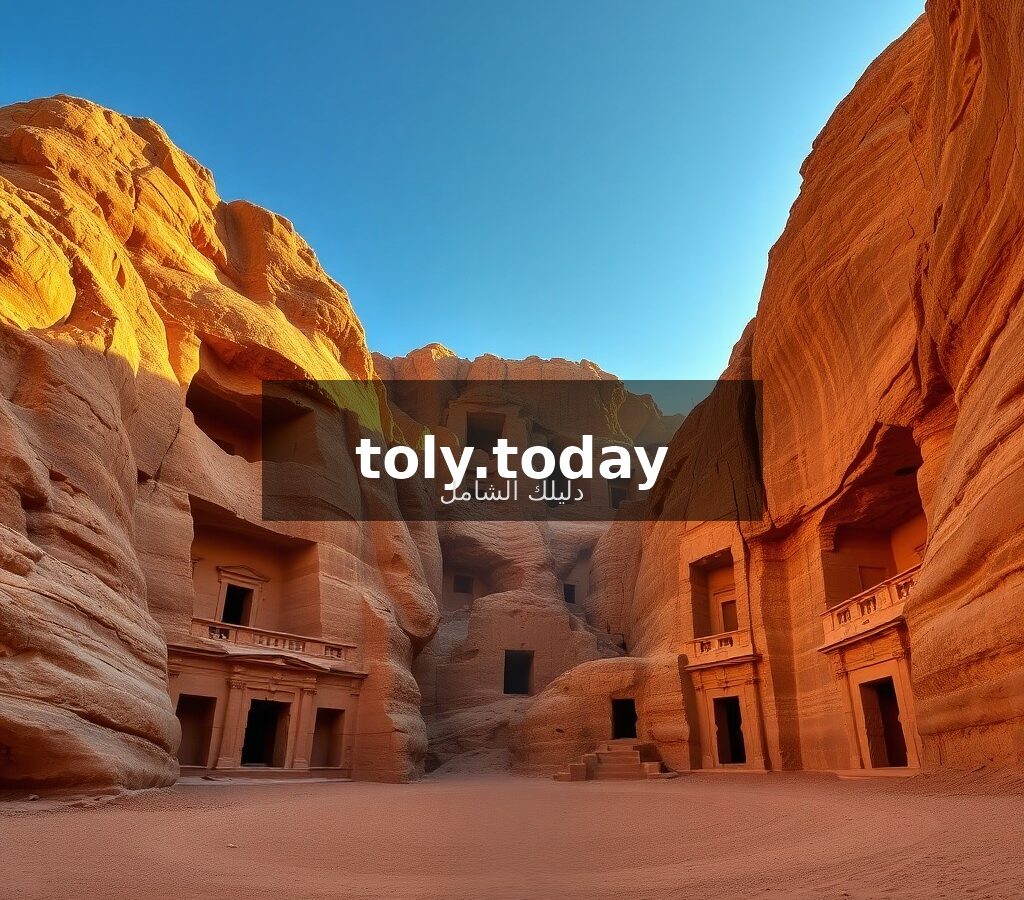
What stands out most in Madain Saleh are the rock-cut facades carved into the sandstone mountains. The area includes at least 13 Nabataean tombs, their facades adorned in a style reflecting a blend of Nabataean architectural style and Hellenistic influences. Each facade tells a story — some are simple, while others are intricately decorated with columns, capitals, and detailed friezes. You can wander among these tombs and marvel at the precision of the carvings that have endured for over 2,000 years.
🏺 Visiting the Nabataean Temple and Commercial Center
At the heart of the site lie the remains of a Nabataean temple built from hewn stone. The temple was dedicated to the worship of Nabataean deities, most notably the god Dushara. Beside the temple are the remnants of a market and commercial area, confirming that Madain Saleh was a bustling trade hub — not just a necropolis. Coins and pottery discovered at the site attest to trade relations with Egypt, the Levant, and Mesopotamia.
🍇 Grape Presses and Water Systems
Among the fascinating discoveries at the site are rock-cut grape presses, indicating that the Nabataeans cultivated vineyards and produced wine in this region. Also found were water channels carved into the rock and water reservoirs (pools) that collected rainwater. The Nabataean water system was highly advanced, enabling the flourishing of agricultural communities in the heart of the desert. You can see these channels and reservoirs while exploring the site.
📸 Photography — A Photographer’s Paradise
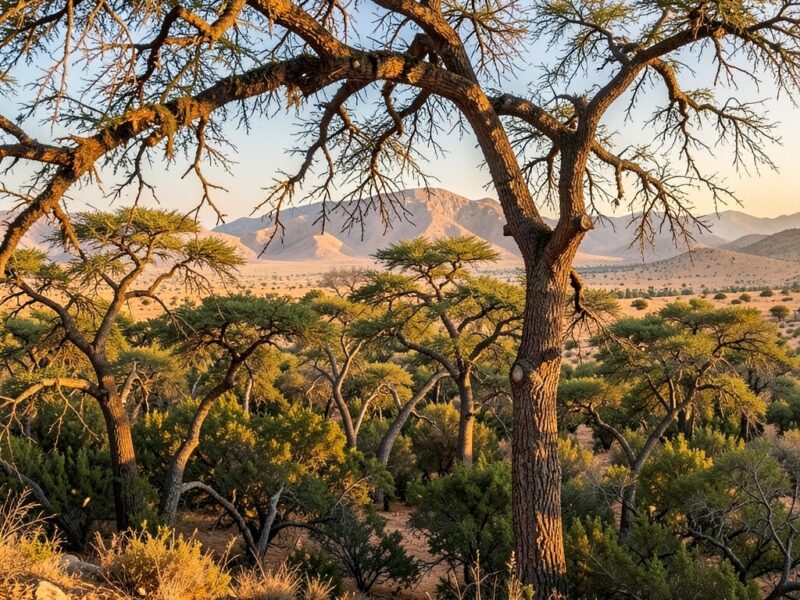
Madain Saleh is an ideal destination for photography enthusiasts. The rock facades set against the surrounding sandstone mountains create stunning landscapes, especially during sunrise and sunset when golden sunlight bathes the rocks in warm hues. Don’t forget to photograph the valley and surrounding scenery, which is enhanced by acacia and desert tamarisk trees.
Practical Information — Visiting Hours and Travel Tips
| Information | Details |
|---|---|
| ⏰ Visiting Hours | Daily — from sunrise to sunset |
| 💰 Entry Fees | Free — no tickets or fees currently |
| 🎯 Best Time to Visit | October to April (Autumn — Winter — Spring) |
| 🌡️ Summer Temperature | 38-45°C — visit only in the morning recommended |
| 🌡️ Winter Temperature | 10-20°C — ideal for exploration |
| 🏠 Accommodation | The nearest city is Tabuk (110 km) with various hotels |
Note: The site is not yet fully developed for tourism — there are no facilities such as restrooms, cafes, or a visitor center. Bring everything you need and leave no waste behind.
Important Tips for Visitors — 5 Tips for an Unforgettable Experience
- 🧭 Use a 4×4 vehicle: The last 10 kilometers before the site are a rough, sandy road. A 4×4 vehicle is essential (especially after rain). If you have a regular car, you can park before the sandy road and walk — but the distance is relatively long. There are no nearby shops or restaurants. Carry at least 5 liters of water per person, along with some snacks and sandwiches.
- 📱 Download the map in advance: Mobile network coverage is weak to non-existent in Wadi Madain Saleh. Bring a portable charger (Power Bank) and download Google Maps for offline use before leaving Tabuk.
- 🧴 Protect yourself from the sun: The site is exposed with little shade along most trails. Use sunscreen with SPF 50, wear a wide-brimmed hat, sunglasses, and light-colored long clothing. Bring a lightweight sun umbrella if possible.
- 👟 Wear appropriate shoes: The terrain is rocky and uneven. Hiking shoes are essential for exploring the tombs and rocks. Avoid flip-flops or smooth-soled shoes—they won’t be comfortable or safe.
Frequently Asked Questions (FAQ)
Q: What is the difference between Madain Saleh and Madain Shu’ayb?
A: Both are Nabatean sites, but Madain Saleh (Al-Hijr) in AlUla is more famous and larger, and it is listed on the UNESCO World Heritage Site. Madain Shu’ayb is smaller (13 tombs compared to over 100 in Madain Saleh) but retains its pristine natural beauty and is less crowded with tourists, offering a quiet and intimate historical experience. Another difference is that Madain Saleh is more developed in terms of tourist facilities.
Q: Is entry to Madain Shu’ayb free?
A: Yes, the site is completely free with no entry fees. However, this means there are no facilities or services on-site—bring all the water, food, and first aid supplies you need. As tourism develops in northern Saudi Arabia, services are expected to be added in the future.
Q: Can Madain Shu’ayb be visited on a day trip from Tabuk?
A: Yes, absolutely. The distance from Tabuk to the site is about 110 kilometers, and the round trip takes about 3-4 hours by car. You can wake up early, arrive at the site at sunrise, spend 3-4 hours exploring, and return to Tabuk in the afternoon. This day trip is ideal for visitors to the area.
Summary: Madain Shu’ayb is one of the most beautiful hidden archaeological sites in the Kingdom of Saudi Arabia. A complete Nabatean city carved into the rock, with its majestic tombs, ancient temple, and advanced water system, it offers visitors a unique historical experience away from the crowds. If you are a history and adventure lover, visiting Madain Shu’ayb in Tabuk is a trip you should not miss—an opportunity to explore an authentic Saudi tourist destination that still retains its pristine charm and historical spirit.