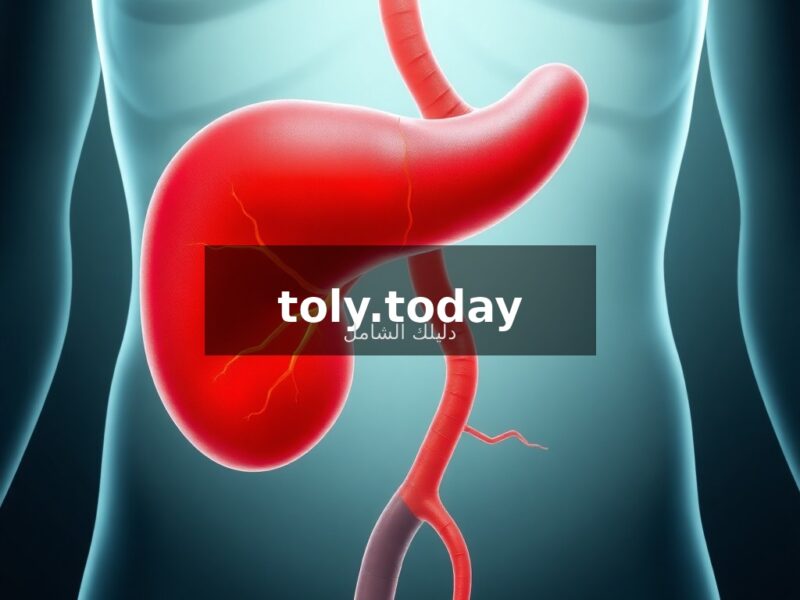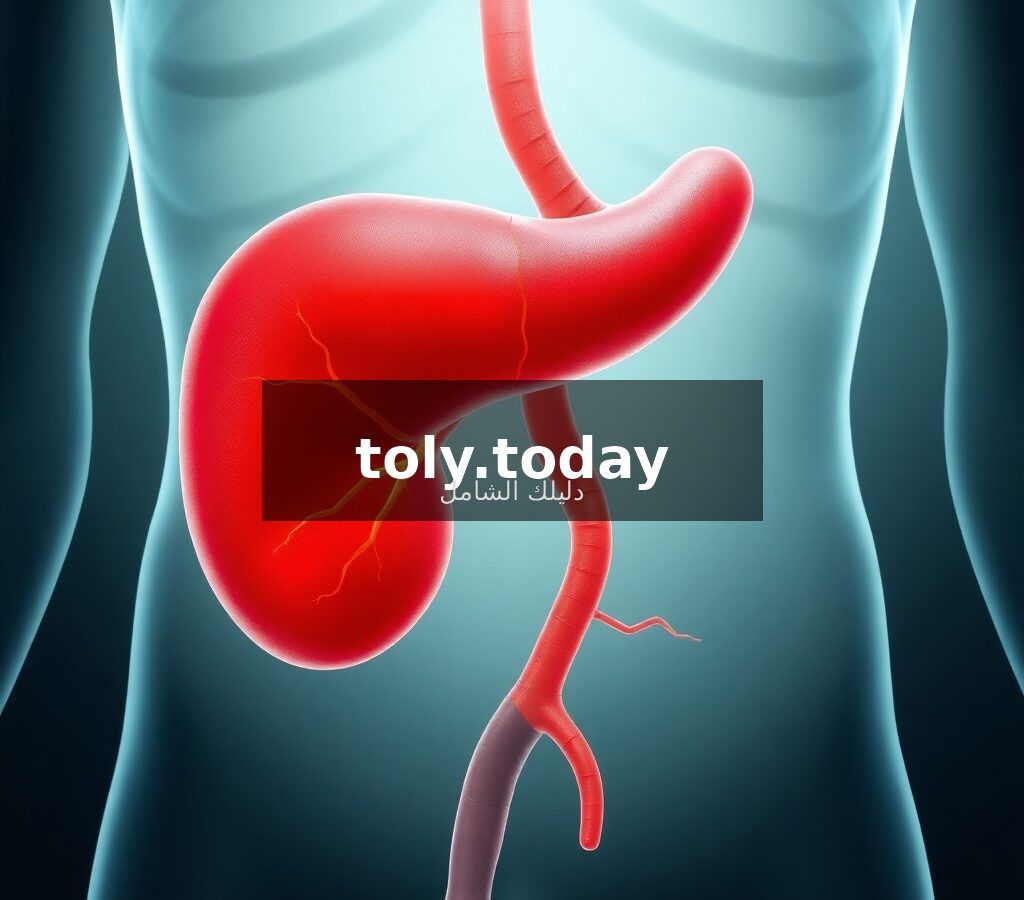
Did you know that the pancreas — that small organ behind your stomach — can be a source of severe pain that may radiate to the back and shoulders? Pancreatitis is a medical condition that requires immediate intervention and can be acute (sudden onset) or chronic (persistent and worsening over time). In this guide, we provide you with everything you need to know about pancreatitis — symptoms, causes, diagnosis methods, and treatment — based on the latest information from Mayo Clinic and other trusted medical sources.
What is Pancreatitis?
According to Mayo Clinic, pancreatitis is inflammation of the pancreas — the long, flat gland located behind the stomach. The pancreas plays a vital role: it produces insulin to regulate blood sugar and secretes digestive enzymes that help break down food in the small intestine.
Under normal conditions, the pancreas stores digestive enzymes in an “inactive” state and releases them into the small intestine, where they are activated to digest proteins. However, when these enzymes are activated inside the pancreas itself (before reaching the intestines), they begin to digest pancreatic tissue, causing inflammation and damage that may be permanent.
Two main types (according to Mayo Clinic):
- Acute Pancreatitis: Sudden onset, which can be mild or severe. Most patients recover after treatment, but severe cases can be life-threatening.
- Chronic Pancreatitis: A long-term condition that does not improve or disappear; pancreatic damage worsens over time, causing permanent scarring (fibrosis).
Symptoms — When Should You Worry?
Symptoms of Acute Pancreatitis (according to Mayo Clinic):
- Severe pain in the upper abdomen that may radiate to the back or shoulders — worsens after eating
- Pain so severe that the patient cannot sit in a comfortable position
- Swelling and tenderness when touching the abdomen
- Fever (elevated body temperature)
- Rapid heartbeat
- Nausea and vomiting
- Shortness of breath
Symptoms of Chronic Pancreatitis (according to Mayo Clinic):
- Persistent pain in the upper abdomen — may worsen after eating
- Unexplained weight loss
- Chronic diarrhea
- Fatty, foul-smelling stools (because the body does not absorb fats properly)
- Diabetes symptoms (excessive thirst, extreme hunger, frequent urination) — because the damaged pancreas does not produce enough insulin
Some people with chronic pancreatitis may not experience symptoms until complications arise.
⚠️ When should you see a doctor immediately? If abdominal pain is so severe that you cannot sit or find a comfortable position — this is an emergency that requires immediate hospital attention.
Causes — Why Does Inflammation Occur?
According to Mayo Clinic, the pancreas stores digestive enzymes in an inactive state. When these enzymes are activated prematurely inside the pancreas, they begin to digest its tissues, leading to inflammation and damage.
Causes of Acute Pancreatitis:
Pancreatitis (Gallstones): The most common cause. A stone blocks the common bile duct, preventing enzymes from being released and activating them inside the pancreas.Causes of chronic pancreatitis:
- Chronic alcohol abuse: The main cause.
- Continuous smoking: Increases damage and accelerates scarring.
- Recurrent acute inflammation: Multiple episodes cause cumulative damage.
- Genetic diseases (such as cystic fibrosis): Genetic mutations that affect pancreatic enzymes.
- Autoimmune diseases: The immune system attacks the pancreas.
- Chronic high triglycerides.
Risk factors
According to Mayo Clinic, there are factors that increase the risk of developing pancreatitis:
- Gender: Men are more likely than women.
- Ethnicity: African Americans are more likely.
- Excessive alcohol consumption: Those who drink more than 4 alcoholic beverages per day are at high risk.
- Obesity: Increases the risk of gallstones and high triglycerides.
- Smoking: Doubles the risk of developing pancreatitis.
- Family history: A family history of pancreatitis or cystic fibrosis.
Diagnostic methods
To diagnose pancreatitis, the doctor performs (according to Mayo Clinic):
- Physical examination: Pressing on the abdomen to check for pain and swelling.
- Blood tests: Measuring the enzymes amylase (Amylase) and lipase (Lipase) — their elevation is a strong indicator.
- Liver, kidney, and triglyceride function tests.
- Ultrasound (Ultrasound): To detect gallstones or pancreatitis.
- CT scan (CT Scan): To determine the extent of inflammation and its complications.
- MRI (MRI): To examine the bile and pancreatic ducts.
- ERCP (ERCP): Used to diagnose and treat ductal obstruction at the same time.
- Stool analysis: To detect undigested fats (an indicator of pancreatic insufficiency).
Treatment options
There is no specific medication for pancreatitis (according to Mayo Clinic). Treatment begins in the hospital to control symptoms and complications:
Initial treatment (in the hospital):
- Painkillers: Pancreatitis causes severe pain that requires strong painkillers under medical supervision.
- Intravenous Fluids (IV Fluids): To prevent dehydration and maintain blood pressure.
- Nutrition: Gradual reintroduction of food as pain and vomiting subside — severe cases may require a feeding tube.
Treating Underlying Causes:
- Gallstone Removal: Via ERCP or cholecystectomy (gallbladder removal).
- Alcohol Addiction Treatment: Rehabilitation programs to stop drinking — continuing alcohol worsens the condition.
- Triglyceride Reduction: Medications to lower triglyceride levels.
- Medication Adjustment: Discontinuing medications that cause inflammation and replacing them with safer alternatives.
- Smoking Cessation: Quit-smoking programs — smoking exacerbates chronic pancreatitis.
Additional Treatments for Chronic Cases:
- Pancreatic Enzymes: Tablets taken with meals to improve digestion and nutrient absorption.
- Chronic Pain Management: Advanced procedures may be needed (injections to block nerve signals from the pancreas to the brain).
- Diabetes Treatment: If pancreatitis has damaged insulin-producing cells.
5 Practical Tips for Preventing and Managing Pancreatitis
- Reduce or Quit Alcohol Completely: Alcohol is a leading cause of both acute and chronic pancreatitis. If you drink heavily, talk to your doctor about quitting programs.
- Quit Smoking: Smoking doubles the risk of pancreatitis and accelerates its progression. Quit-smoking programs are available at healthcare centers.
- Maintain a Healthy Weight: Obesity increases the risk of gallstones and high triglycerides — both major causes of inflammation.
- Monitor Triglycerides and Calcium: If you have high triglycerides or calcium levels, stick to treatment and regular check-ups.
- Follow a Low-Fat Diet: Small, frequent, low-fat meals rich in vegetables, fruits, and whole grains — this reduces stress on the pancreas.
Myth vs. Fact
❌ Myth: Pancreatitis only occurs in alcoholics.
✅ Fact: Gallstones are the most common cause (40-50% of cases). Alcohol overuse is a major cause but not the only one — high triglycerides, smoking, medications, and genetic factors are also potential causes (per Mayo Clinic).
❌ Myth: Drinking warm water with lemon cures pancreatitis.
✅ Fact: There is no scientifically proven home remedy for pancreatitis. Acute cases require hospital care and a specialized medical team. Herbal drinks may temporarily ease symptoms but do not treat the inflammation.
❌ Myth: If the pain goes away, the inflammation is completely healed.
✅ Fact: Chronic pancreatitis may not always cause continuous pain in some people, but pancreatic damage continues to worsen. Regular medical follow-ups are essential even in the absence of pain.
Frequently Asked Questions (FAQ)
1. Is pancreatitis a serious disease?
It can be very serious. Severe acute cases can cause multiple organ failure and be life-threatening. Early hospital admission increases the chances of recovery. Mild cases usually improve within days with proper care. Chronic pancreatitis causes progressive, irreversible damage and increases the risk of pancreatic cancer.
2. How long does recovery from acute pancreatitis take?
It depends on its severity. Mild cases improve within 3-7 days in the hospital. Severe cases may require weeks in the intensive care unit. After discharge, the patient needs a special diet and close monitoring for several weeks.
3. Can you live without a pancreas?
Yes, you can live after a pancreatectomy, but the patient will need lifelong treatment: insulin injections (since the body won’t produce insulin) and pancreatic enzyme tablets (for digestion). This major surgery is performed in very limited cases, such as pancreatic cancer.
Sources: Mayo Clinic (mayoclinic.org), NIDDK (niddk.nih.gov). Information verified in June 2026. This is educational and not a substitute for medical advice.